
DMO 2026-27: What Changed for NSW, Queensland and South Australia?
A practical guide to the 2026-27 Default Market Offer and what it means for standing offer customers.
CompareUs Editorial TeamConsumer utilities editorial team
Quick answer: DMO 2026-27
The DMO 2026-27 is the regulated Default Market Offer applying from 1 July 2026 to standing offer electricity customers in New South Wales, South East Queensland and South Australia. It is a safety-net price and a reference price for comparing market offers, not a promise that your current plan is the lowest available.
What changed from 1 July 2026?
The Australian Energy Regulator released its final 2026-27 DMO decision on 26 May 2026. The main consumer message was mixed but mostly positive for standing offer customers.
For residential flat-rate standing offers, the AER said prices fell by between 3.4% and 5.0% in NSW, fell by 7.2% in South East Queensland, and rose by 1.4% in South Australia.
For residential time-of-use standing offers, the AER said prices fell across all three regions: NSW by 3.7% to 7.7%, South East Queensland by 10.7%, and South Australia by 1.1%.
[FACT CHECK: AER final DMO 2026-27 decision, published 26 May 2026.]
What the DMO actually does
The DMO caps what retailers can charge standing offer customers in the DMO regions. It also acts as the reference price that retailers use when advertising market offers. If an energy plan says it is a percentage below the reference price, the DMO is usually the reference point in NSW, South East Queensland and South Australia.
That does not mean the DMO is the plan most households should aim for. Standing offers are generally default or safety-net products. Many households can still compare market offers with different rates, discounts, solar terms or tariff structures.
State-by-state snapshot
NSW customers saw residential standing offer reductions in both flat-rate and time-of-use categories. The exact change depends on distribution zone and tariff type.
South East Queensland saw the largest residential time-of-use reduction among the three regions noted by the AER, with a 10.7% fall.
South Australia was more mixed. Residential flat-rate standing offers increased modestly, while time-of-use residential standing offers decreased slightly.
Small business customers saw reductions across all three DMO regions, but this guide is focused on residential households.
Why prices changed
The AER said the final decision reflected easing cost pressures in parts of the electricity supply chain, including wholesale energy. It also noted changes in network, environmental and retail costs and updated economic forecasts.
Another important change is the way smart-meter transition is reflected. The AER said it adjusted its approach to applying network costs by blending network tariffs for flat-rate retail tariffs, reflecting a mix of legacy meters and newer smart meters.
Solar Sharer Offer and the DMO
The Solar Sharer Offer became part of the DMO settings for eligible smart-meter households from 1 July 2026. It provides a daily free electricity window in the middle of the day, with regulated pricing outside the free period using the time-of-use DMO annual price in each distribution zone.
This matters because the DMO is no longer only a passive standing-offer benchmark. For some eligible households, it also includes an opt-in product designed around daytime solar abundance.
What households should do now
If you are on a standing offer, the DMO change may affect your bill automatically. Still, do not assume the new standing offer is the most suitable plan.
Check:
- whether your bill says you are on a standing offer or market offer;
- the reference price comparison on your bill;
- your supply charge and usage rate;
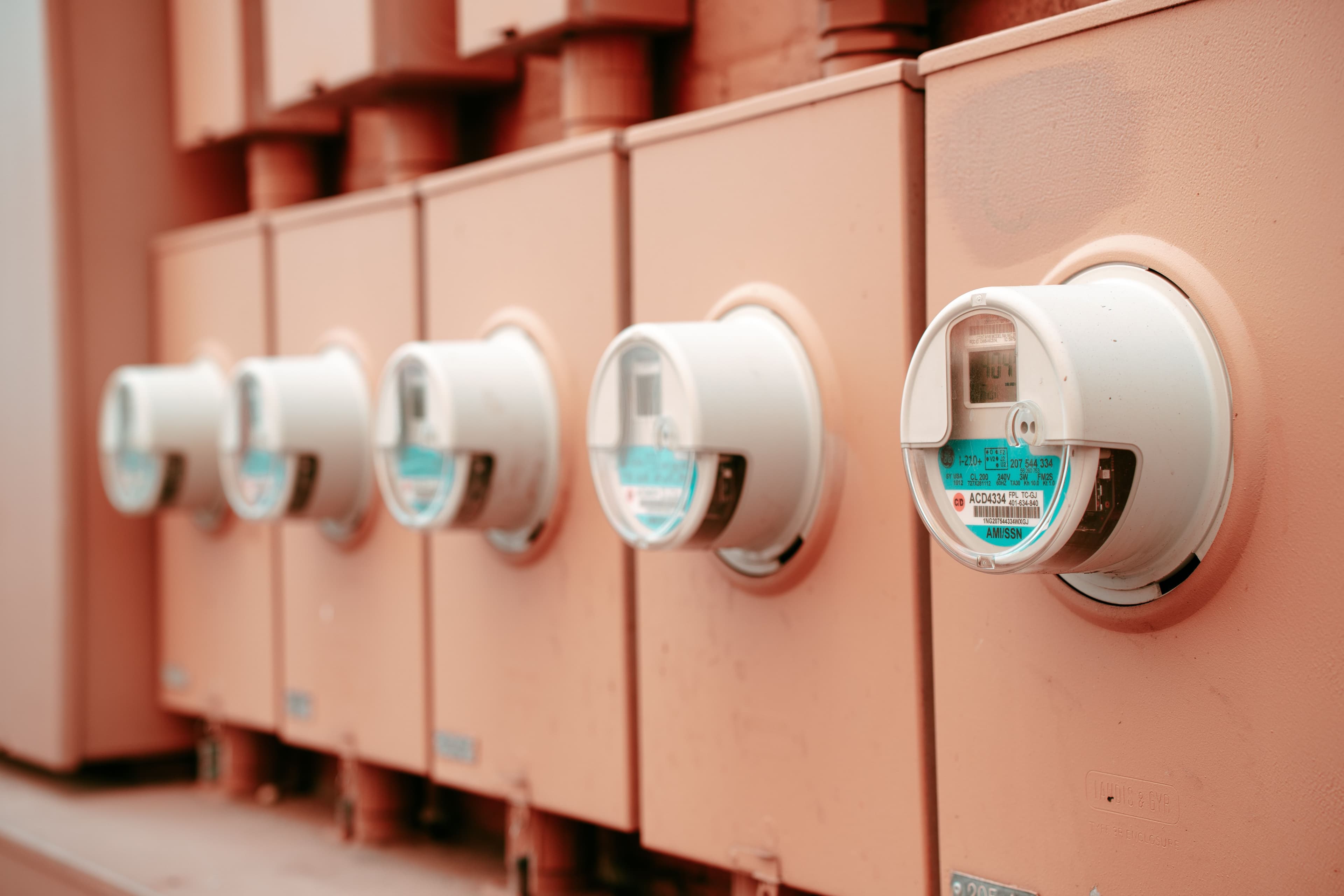
- whether you have a smart meter;
- whether you use a flat-rate, time-of-use or controlled-load tariff;
- whether your retailer has sent a better-offer message;
- whether Solar Sharer or another market offer fits your routine.
Compare at /electricity using your own bill details rather than a generic household estimate.
Common mistakes
The first mistake is treating a DMO reduction as proof that no action is needed. A lower standing offer can still be higher than a suitable market offer.
The second mistake is comparing only the advertised percentage below reference price. The tariff type, supply charge, solar feed-in tariff and benefit period can change the result.
The third mistake is ignoring smart-meter tariffs. If you move from flat rate to time-of-use, the annual cost depends heavily on when you use power.
Internal next steps
Compare electricity plans at /electricity, read /guides/solar-sharer-offer-explained, check smart-meter tariff risk at /guides/smart-meter-tariff-shock, and estimate appliance use at /calculators/electricity-cost.
Sources
- AER: Final Default Market Offer 2026-27, https://www.aer.gov.au/news/articles/news-releases/aer-releases-final-default-market-offer-2026-27
- DCCEEW: Default Market Offer, https://www.dcceew.gov.au/energy/programs/default-market-offer
- Energy.gov.au: Solar Sharer Offer, https://www.energy.gov.au/rebates/solar-sharer-offer
Where should you go next?
FAQs
What is the DMO 2026-27?
It is the Default Market Offer for the 2026-27 pricing year, applying from 1 July 2026 in NSW, South East Queensland and South Australia.
Does the DMO apply in Victoria?
No. Victoria uses the Victorian Default Offer instead of the Default Market Offer.
Is the DMO the cheapest plan?
No. The DMO is a standing-offer safety net and reference price. Market offers may be cheaper or structured differently.
What changed in South Australia?
Residential flat-rate standing offer prices increased by 1.4%, while time-of-use residential standing offers decreased by 1.1%.
What is the Solar Sharer Offer?
It is an opt-in DMO-linked plan with a regulated daily free electricity window for eligible smart-meter households.
Should I switch after the DMO changes?
You should compare. Whether switching is worthwhile depends on your tariff, usage pattern, solar, fees and whether a better offer is available.