
Dual Fuel vs Separate Electricity and Gas Plans
A guide to deciding whether electricity and gas should sit with one retailer or be compared separately.
CompareUs Editorial TeamConsumer utilities editorial team
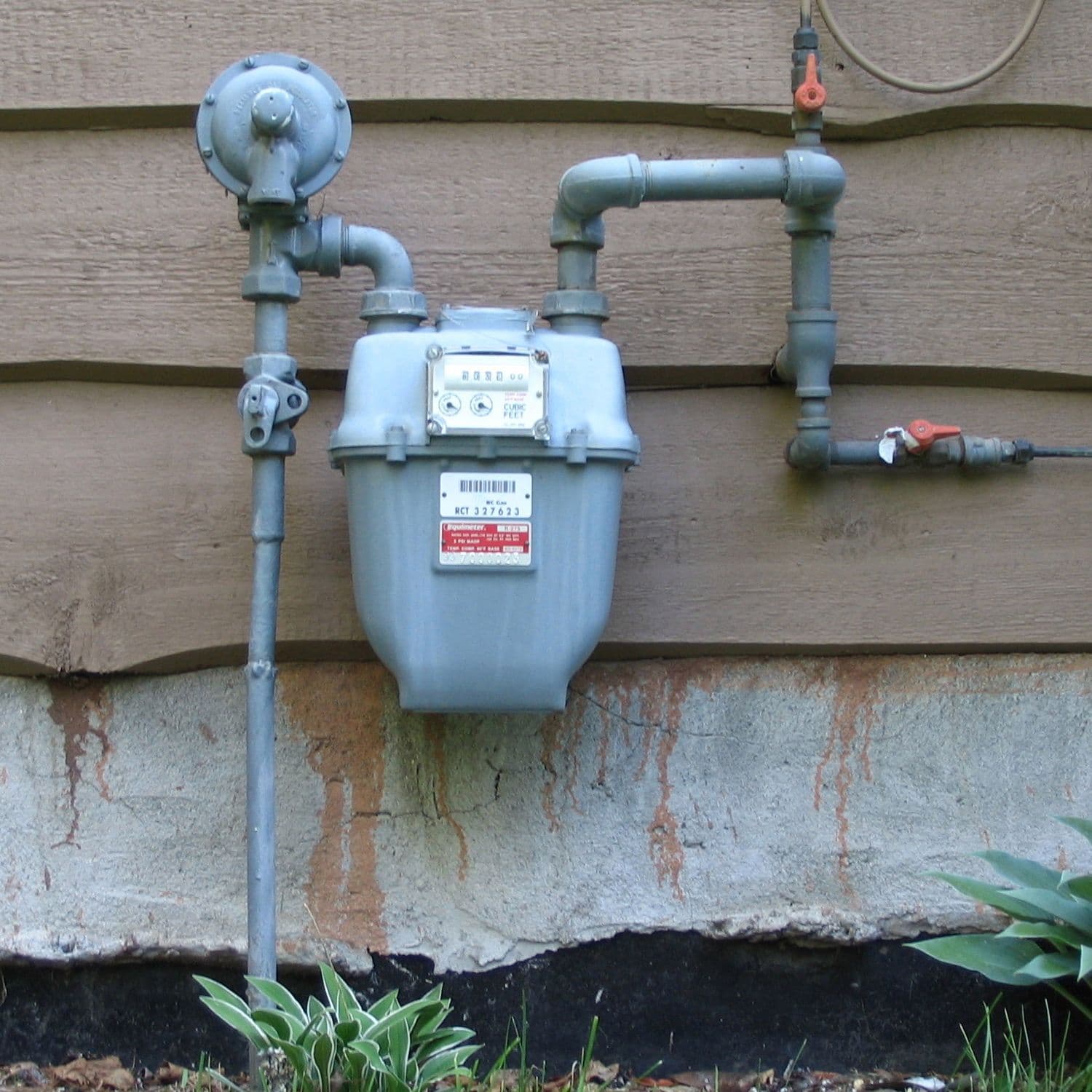
dual fuel vs separate electricity and gas is a practical comparison topic because the right answer depends on your address, meter, appliances, usage pattern and current plan. This guide focuses on Australian households and explains what to check before you switch, renew or rely on a headline rate.
Quick answer
Dual fuel can simplify billing and may include a bundle benefit, but separate electricity and gas plans can be cheaper if different retailers are stronger for each fuel. Compare the annual cost of both fuels separately, then test whether any bundle discount genuinely improves the combined result.
Key takeaways
- Dual fuel is mainly a convenience and bundle question.
- The best electricity retailer is not always the best gas retailer.
- Bundle credits can distract from weaker underlying rates.
- Concessions and billing preferences should be checked for both fuels.
- Switching one fuel may be smarter than switching both.
Why this topic matters
Energy plans can look simple until the bill arrives. A household can see a different result because of fixed daily supply charges, time-based usage rates, controlled load, concessions, solar export credits, seasonal gas heating or a meter read that was estimated rather than actual. That is why a useful comparison starts with your own bill and then checks the official plan documents.
Energy Made Easy's switching checklist recommends checking written plan summaries, fees, price-change terms and concessions before changing plans. This matters because a comparison that ignores those details can make a weak plan look attractive. The goal is not to guess the cheapest plan from one advertised number. The goal is to understand the cost structure well enough to compare like for like.
What to check first
- Calculate electricity and gas annual costs separately first.
- Check whether a bundle discount is one-off, conditional or ongoing.
- Compare supply charges and usage rates for each fuel.
- Ask whether billing, payment options and concessions work for both accounts.
- Check exit fees or contract terms before splitting fuels.
If the topic affects an appliance, also check whether the appliance is near replacement age. A plan decision and an appliance decision can point in different directions. For example, a household may choose a plan that suits today's gas heater, but the better long-term move could be comparing efficient electric heating before replacing that heater with another gas model.
How to compare plans
Use a recent bill as your baseline. Write down the billing period, usage, fixed charge, usage rate, tariff type and any discounts or concessions. Then compare the same assumptions across each plan. If one offer uses a different tariff structure, adjust the comparison rather than treating the headline rate as equivalent.
For electricity, that can mean separating general usage, controlled load, solar feed-in and peak or off-peak windows. For gas, that can mean separating supply charges from winter heating, hot water and cooking use. If you cannot separate those items precisely, use several bills and look for the pattern rather than relying on one unusually high or low period.
State and eligibility notes
Gas availability varies more than electricity. In some areas, dual fuel may not be practical because only electricity is contestable or mains gas is not available.
Eligibility can also depend on the retailer, distributor, meter type, account name, property type or concession status. Before acting, check the retailer's written plan summary, the current government or regulator page and the latest bill for your address.
Common mistakes
- Accepting a bundle credit without comparing annual costs.
- Assuming same-retailer convenience equals lower cost.
- Ignoring gas seasonal usage.
- Forgetting to check concessions on both accounts.
A practical example
Imagine two households with the same total annual energy spend. One has high usage because of winter heating, while the other has low usage but a high fixed daily charge. The first household may benefit most from a lower usage rate or more efficient appliances. The second may benefit more from a lower supply charge or removing an unnecessary fuel connection. The same advertised discount would not solve both problems.
This is also why state averages should be treated carefully. Averages can help you sanity-check a bill, but they do not replace address-level pricing, network-zone context or your own appliance behaviour. The more unusual your home is, such as solar, a battery, controlled load, medical equipment, LPG or an embedded network, the more important those details become.
When to act
The best time to act is usually when something has changed. That could be a renewal notice, a price change, a move, a new smart meter, a new appliance, a solar installation, a concession change or a bill that no longer matches your expected usage. If nothing has changed, it can still be worth checking annually, but the comparison should be calm and evidence-led.
Before switching, keep a copy of your current bill and any written plan summary. If a retailer advertises a benefit, check whether it is built into the rates, paid as a credit, tied to direct debit, limited to a benefit period or dependent on staying with another service. Those details decide whether the offer is useful after the first headline moment has passed.
What a good answer looks like
A good answer should explain the trade-off, not just point to one rate. For some households the best option is the lowest estimated annual cost. For others it is predictable billing, better concession handling, a plan that suits solar exports, or a tariff that fits when the home actually uses energy. If an article or offer cannot show which assumptions it used, treat the result as a starting point rather than a decision.
How to use CompareUs after reading
Use this guide as a checklist, then move to the relevant CompareUs tools. Start with our gas comparison page, estimate bill impact with the gas calculator, and browse more energy guides if you are also comparing electricity or appliance choices.
Sources reviewed
- Energy Made Easy - Changing plans - Used for switching checklist, written plan summaries, cooling-off rights and final-bill timing.
- Energy Made Easy - Understanding gas and electricity charges - Used for daily supply charge, usage charge, c/kWh and c/MJ terminology.
- Energy Made Easy - What's on your energy bill? - Used for current bill layout, better-offer and plan-detail guidance.
- Energy Made Easy - Received a high bill? - Used for high-bill diagnosis: estimated reads, price changes, arrears and usage changes.
CompareUs may receive a referral fee when you click or apply through some links. This does not change the price you pay. Our goal is to help Australians compare options clearly and make informed decisions.
Where should you go next?
FAQs
Is dual fuel cheaper?
Sometimes, but not always. Compare electricity and gas separately before valuing any bundle benefit.
Can I use different retailers?
In many contestable markets, yes. Check availability and plan terms for your address.
Do concessions apply to both fuels?
Eligibility and application rules differ, so check each account and state scheme.
Is one bill better?
It can be simpler, but simplicity should not outweigh materially higher annual cost.
Should I switch both at once?
Only if both new plans are competitive and the terms make sense.