
Fixed vs Variable Electricity Rates in Australia
A practical Australian comparison of fixed and variable electricity rates, including what can change, what remains payable and how to compare whole-year cost.
CompareUs Editorial TeamConsumer utilities editorial team
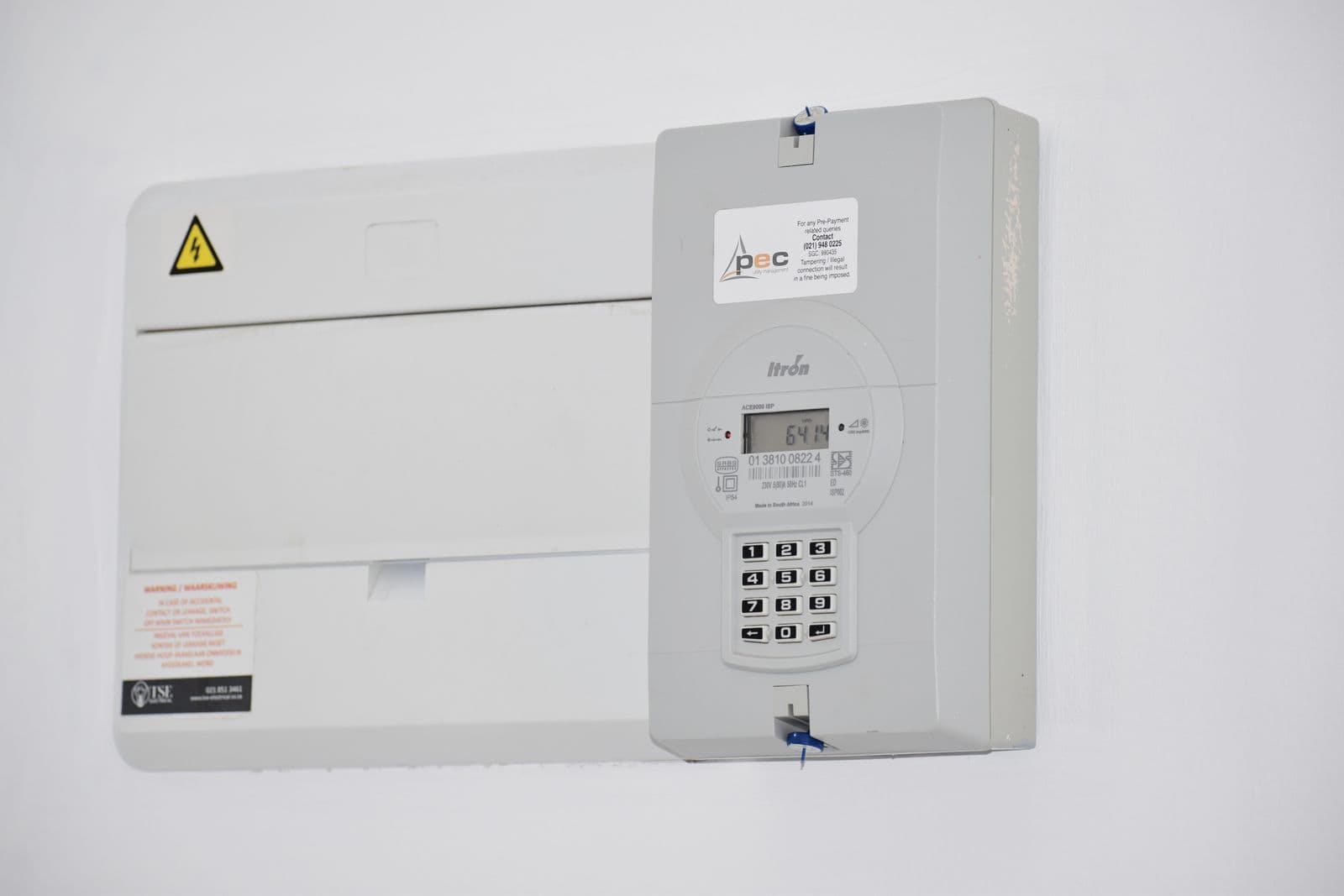
Fixed vs variable electricity rates describe whether the prices written into an electricity plan are protected for a stated period or may be changed with notice. A fixed rate can make unit prices more predictable, but it does not freeze the household's bill because usage still changes. A variable plan can move with retailer pricing and may be easier to leave, but its future cost is less certain.
Quick answer
A fixed-rate plan may suit a household that values price certainty and accepts its contract conditions. A variable-rate plan may suit someone who wants flexibility and will compare regularly. Check exactly which charges are fixed, the fixed period, notice and exit rules, then estimate total cost using your own usage rather than assuming fixed means a fixed bill.
Key takeaways
- A fixed rate normally fixes specified prices, not the amount of electricity a household uses.
- Daily supply charges, usage rates and feed-in tariffs may not all receive the same protection.
- Variable rates can change after notice, so the current estimate is not a price guarantee.
- Contract length and rate-fix period are separate details and should both be recorded.
- Compare the complete annual estimate, benefit conditions and leaving costs before choosing.
How fixed vs variable electricity rates work
The words fixed and variable are easy to confuse with flat and time-of-use tariffs. Fixed versus variable describes whether a retailer can change a nominated rate during a period. Flat versus time-of-use describes whether usage is priced the same throughout the day. A plan can therefore have fixed time-of-use rates, variable flat rates or another combination. Confirm both dimensions in the energy plan document.
Australian market offers differ by address, distribution network, meter and tariff. Some retailers periodically offer a rate-fix product, while many generally available market offers use variable rates. A provider example is useful for understanding the contract structure, but it does not prove that the product is available or competitive at another address. Use a current address-specific comparison and retain the accepted plan document.
| Question | Fixed rate | Variable rate |
|---|---|---|
| Can nominated rates change during the stated period? | Generally protected under the product terms | May change after required notice |
| Is the total bill fixed? | No — usage and other charges still matter | No — usage and rates can both affect it |
| What deserves close attention? | Fixed components, period and exit terms | Notice, review frequency and current competitiveness |
| Main risk | Locking in an uncompetitive rate or restrictive term | Rates rising while the customer does not recompare |
What to compare before choosing
What the rate protection actually covers
List the usage rates, daily supply charge, controlled-load rate and solar feed-in tariff separately, then mark which ones the contract says are fixed. A product name such as rate fix does not replace the detailed terms, and excluded components can still alter the outcome.
Decision check: Which exact cents-per-kWh and cents-per-day figures cannot change, and what can still move? Record the answer for every shortlisted option using the same period and assumptions. This prevents a promotional headline, isolated rate or theoretical feature from outweighing the conditions that determine the real household result.
The fixed period and the plan term
Record the date rate protection starts and ends, the minimum contract period, benefit period and what happens afterwards. These periods can differ, and a customer may roll onto variable pricing or a new offer after the protected window.
Decision check: What plan and rates apply on the day after the advertised fixed period ends? Record the answer for every shortlisted option using the same period and assumptions. This prevents a promotional headline, isolated rate or theoretical feature from outweighing the conditions that determine the real household result.
Whole-year cost using household usage
Apply each plan's rates to recent kWh usage, tariff periods and days supplied, then include discounts, fees and export credits. A lower usage rate can be offset by a higher daily charge, and seasonal consumption can make one quarter unrepresentative.
Decision check: What would each option have cost across the same 12 months of actual or carefully estimated use? Record the answer for every shortlisted option using the same period and assumptions. This prevents a promotional headline, isolated rate or theoretical feature from outweighing the conditions that determine the real household result.
Leaving and changing
Check exit fees, incentive clawbacks, meter or tariff consequences and whether the plan can be changed without losing the protected rate. Flexibility has a financial value when a household moves, electrifies, adds solar or finds a materially better offer.
Decision check: What would it cost to leave after three, six or nine months, including any linked equipment or credit conditions? Record the answer for every shortlisted option using the same period and assumptions. This prevents a promotional headline, isolated rate or theoretical feature from outweighing the conditions that determine the real household result.
Fixed rates do not create a fixed bill
The bill still rises when the household uses more electricity. Heating, cooling, an EV, a pool pump, guests or a longer billing period can change consumption even when unit prices are protected. A retailer may also pass through items permitted by the contract, so the customer should read the variation and tax clauses instead of relying on the marketing label.
Budget certainty is therefore relative. A fixed plan can remove one source of uncertainty — nominated rate changes — while leaving consumption and any unprotected charges variable. Monthly smoothing or bill-payment arrangements are separate services and do not change the underlying annual cost.
How variable price changes should be handled
A variable plan should be actively reviewed whenever a price-change notice arrives. Compare the new rates with the current bill, the retailer's other generally available offers and address-specific alternatives. Keep the notice because its effective date determines which rates should appear on the next bill.
Do not switch on percentage discounts alone. In DMO regions, an advertised percentage below the reference price uses model annual usage for the distribution zone and is not a prediction of the household's bill. In Victoria, use the applicable Victorian comparison information. Actual usage and tariff shape remain essential.
- Check the effective date of every rate change.
- Confirm whether discounts, credits or feed-in rates also change.
- Re-run the annual estimate rather than comparing one rate in isolation.
Decision framework for price certainty
A household expecting prices to rise cannot know in advance whether fixing will win. The fixed offer may already include a premium for certainty, while future variable offers could fall or improve. Treat the choice as a risk decision backed by today's whole-plan comparison, not as a forecast that one direction is guaranteed.
Certainty may be more valuable to a tight-budget household, but only if the protected plan is affordable now and does not create unacceptable leaving costs. A highly engaged customer who compares after every notice may prefer a competitive variable offer. Either way, set a calendar reminder before the fixed or benefit period ends.
Which option suits which household?
The examples below are starting points, not product rankings. Address eligibility, household behaviour, equipment, support needs and current plan terms can change the answer. A sound comparison uses the same real-world scenario for every option and keeps a dated copy of the information used.
| Household or situation | Likely starting point | Why |
|---|---|---|
| Stable address and tight budget | Consider a competitive fixed-rate offer | Known unit prices may make planning easier if the terms are suitable. |
| Likely to move soon | Prioritise flexibility | Exit conditions and address changes can outweigh rate certainty. |
| Active annual comparer | Test both structures | Regular review can manage variable-rate risk. |
| Adding solar, battery or EV | Model the future load first | The planned equipment can change imports, exports and the best tariff structure. |
A practical comparison process
Before choosing, create a one-page comparison record for the household. Note the service address or regular locations, current usage, equipment, support requirements, desired start date and any planned changes. Give every shortlisted option the same assumptions and annual comparison period. Record conditional discounts, expiry dates, installation or activation costs, cancellation consequences and the source document date. Keep uncertainty visible instead of forcing a false exact answer. This record makes it easier to explain the decision, spot a changed condition and review whether the selected option still represents value after the first complete billing or recharge cycle. Revisit the shortlist whenever a key assumption, price, address, device or household requirement changes.
- Collect a recent bill and at least 12 months of usage where available.
- Separate fixed versus variable pricing from flat versus time-of-use tariffs.
- Mark every charge protected by the rate fix and every exclusion.
- Calculate comparable annual estimates using identical usage and days.
- Check contract, exit, benefit-end and post-fix terms.
- Save the accepted plan document and schedule a review before protection ends.
Common mistakes
- Assuming a fixed rate means a fixed monthly bill.
- Confusing a flat tariff with a fixed-price contract.
- Ignoring the daily supply charge or controlled load.
- Comparing an introductory credit instead of ongoing annual cost.
- Forgetting what happens after the fixed period.
Where a plan, price or service feature can change, save the Critical Information Summary, energy plan document, bill estimate or provider terms with the date. Recheck eligibility at the service address immediately before applying and inspect the first complete bill or recharge cycle against what was promised.
Bottom line
Choose rate certainty only after confirming what is protected and what the certainty costs. A current variable offer can be cheaper, while a fixed offer may be valuable for predictability; neither structure wins automatically. Use your household's data, compare complete electricity plans, and record the end date before signing.
Related CompareUs resources
- compare electricity plans
- electricity cost calculator
- electricity tariffs explained
- CompareUs energy guides
Sources and editorial method
CompareUs reviewed Australian government, regulator, network and provider material available on 28 July 2026. Competitor pages were used only to understand search intent and common consumer questions. No competitor wording, ranking or table was copied. Current prices and availability must be confirmed using address-specific results and official plan documents.
- ACCC — Electricity prices and plans — current consumer guidance on plan comparison and default offers
- Energy Made Easy — Environmental energy choices — plan questions including whether prices are fixed or can change
- EnergyAustralia — Rate Fix — current provider example used only to illustrate fixed-rate product terms
Where should you go next?
FAQs
Does a fixed electricity rate mean my bill cannot increase?
No. Your bill can change with usage, billing days and any components the contract does not fix.
Is a single-rate tariff the same as a fixed-rate plan?
No. Single rate describes when usage is charged; fixed rate describes whether nominated prices can change during a period.
Can daily supply charges change on a fixed plan?
It depends on the product terms. Confirm whether the supply charge is expressly included in the rate protection.
What happens when a fixed-rate period ends?
The retailer's terms should explain the next rates or offer. Compare before the end date rather than allowing an automatic transition unnoticed.
Can I leave a fixed-rate electricity plan early?
Usually you can switch, but fees, incentive repayment or other conditions may apply. Check the energy plan document.
Are variable electricity rates always cheaper?
No. Compare current whole-plan annual estimates; future price movements cannot be guaranteed.