
Flat Rate vs Time-of-Use After a Smart Meter
A smart meter can make new tariff options available. This guide explains when a flat rate or time-of-use plan may suit your household.
CompareUs Editorial TeamConsumer utilities editorial team
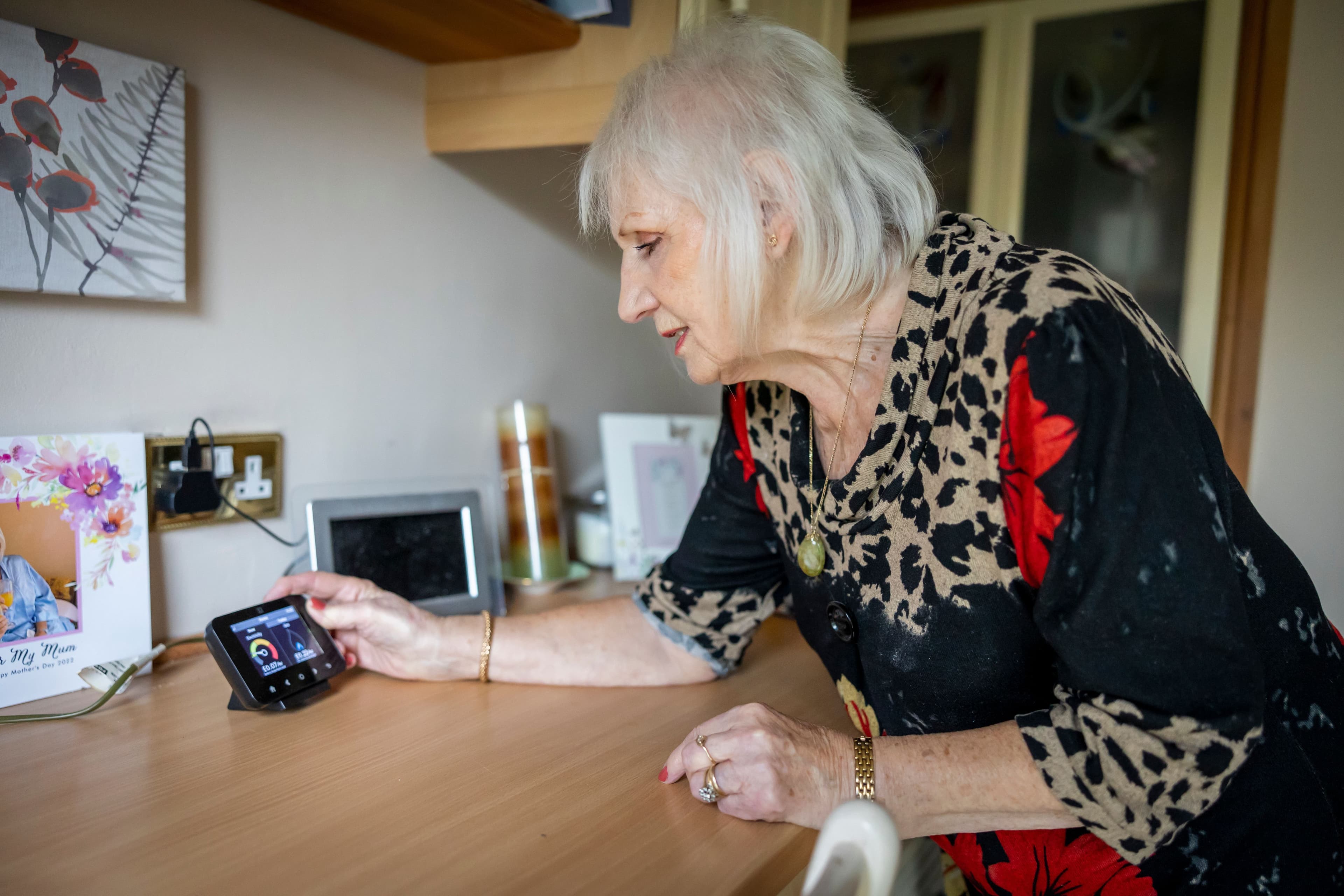
Quick answer: flat rate vs time-of-use smart meter
Flat rate vs time-of-use smart meter decisions are about household routine. A flat-rate plan keeps the usage price the same across the day. A time-of-use plan changes the price depending on when electricity is used.
The lower off-peak rate can look attractive, but the peak rate matters just as much. If your family uses most electricity after work, after school or during winter evenings, a time-of-use plan may not beat a simple flat rate.
What a smart meter changes
A smart meter records electricity use in intervals instead of relying on an occasional manual meter read. That can help with accurate billing, solar exports and faster retailer processes. It also makes tariff structures more precise.
The Australian Energy Regulator says smart meters are being rolled out nationally across the National Electricity Market, with a target for all customers by 30 November 2030. As smart meters become normal, more households will be asked to compare tariff types rather than just compare headline discounts.
Flat-rate electricity explained
A flat-rate electricity plan charges one usage rate for general electricity, regardless of the time of day. You still pay a daily supply charge, and you may also have separate controlled-load charges for appliances such as electric hot water.
Flat-rate plans are easier to understand. They can suit:
- households with unpredictable routines;
- families that use most power in the evening;
- renters who cannot control major appliances;
- people who do not want to monitor peak and off-peak windows;
- homes where demand charges would be hard to manage.
The trade-off is that a flat rate may not reward you for moving usage into cheaper periods.
Time-of-use electricity explained
A time-of-use tariff applies different rates at different times. Common periods are peak, shoulder and off-peak. Peak usually covers high-demand times, often late afternoon and evening. Off-peak usually covers lower-demand periods.
Time-of-use can suit:
- work-from-home households that can run appliances during the day;
- homes with timers on dishwashers, washing machines and pool pumps;
- EV owners who can charge overnight or during cheap windows;
- households with flexible hot-water control;
- solar households that can align consumption with daylight and tariff periods.
It can be a poor fit where major usage is locked into peak periods.
Demand tariffs are different
Some smart-meter plans include demand charges. These are not the same as ordinary time-of-use rates. A demand charge may be based on your highest electricity demand during a specified window.
This matters because a short burst of high use can influence the bill. Running ducted air conditioning, oven, dryer and pool pump at the same time may create a higher demand reading than running them separately.
Before accepting a demand tariff, ask the retailer to show how the charge is calculated and which hours count.
Consumer protections to know
The AER says retailers must follow smart-meter rollout protections, including notification of the meter exchange. It also says that where a retailer initiates the installation, the installing retailer cannot change the customer's tariff structure for two years without consent.
If you later switch retailer, those consent protections may not apply the same way. Treat a post-installation switch as a new plan comparison.
The AER also notes that retailers in Queensland and South Australia must offer flat-rate plans to smart-meter customers. If you live in those states, ask to see the flat-rate alternative before agreeing to a time-of-use or demand plan.
How to compare the two
Use your actual usage where possible. A tariff that suits the average household may not suit yours.
Compare:
- daily supply charge;
- flat-rate cents per kWh;
- peak, shoulder and off-peak cents per kWh;
- exact time windows for each period;
- demand charge rules;
- controlled-load rates;
- solar feed-in tariff;
- discounts, fees and benefit periods.
Then map your routine. Heating, cooling, cooking, hot water, clothes drying and EV charging usually matter more than small devices.
A simple decision rule
Choose flat rate if you want simplicity, use most power at peak times, or cannot shift major appliances.
Consider time-of-use if you can reliably move meaningful usage into off-peak periods and avoid peak-heavy routines.
Avoid guessing. Compare plans at /electricity, then check your numbers again after one or two bills.
Internal next steps
Learn the basics at /guides/electricity-tariffs-explained-simply, read smart-meter rights at /guides/what-is-a-smart-meter-and-do-you-need-one, and estimate appliance costs at /calculators/electricity-cost.
Sources
- AER: Consumer rights and smart meters, https://www.aer.gov.au/consumers/smart-meter-rollout/consumer-rights-and-smart-meters
- Energy.gov.au: Reduce energy bills, https://www.energy.gov.au/households/household-guides/reduce-energy-bills
Where should you go next?
FAQs
Is time-of-use cheaper than flat rate?
Not always. It depends on how much electricity you use during peak, shoulder and off-peak periods.
Does a smart meter force me onto time-of-use?
No. Smart meters can support time-based pricing, but many customers can still choose flat-rate plans.
Who suits time-of-use electricity?
It can suit households that can run major appliances, hot water, pool pumps or EV charging during cheaper off-peak periods.
Who suits a flat-rate plan?
A flat-rate plan can suit households that want predictable pricing or use most electricity during evening peak periods.
Should solar households choose time-of-use?
Solar households should compare imports, exports and self-consumption. Time-of-use can help some homes, but the feed-in tariff and evening import rates matter.