
Pay-As-You-Go Mobile Plans Australia: PAYG Guide
PAYG mobile can suit very light or backup use, but credit expiry, per-use rates, minimum recharge and number-retention rules determine its real value.
CompareUs Editorial TeamConsumer utilities editorial team
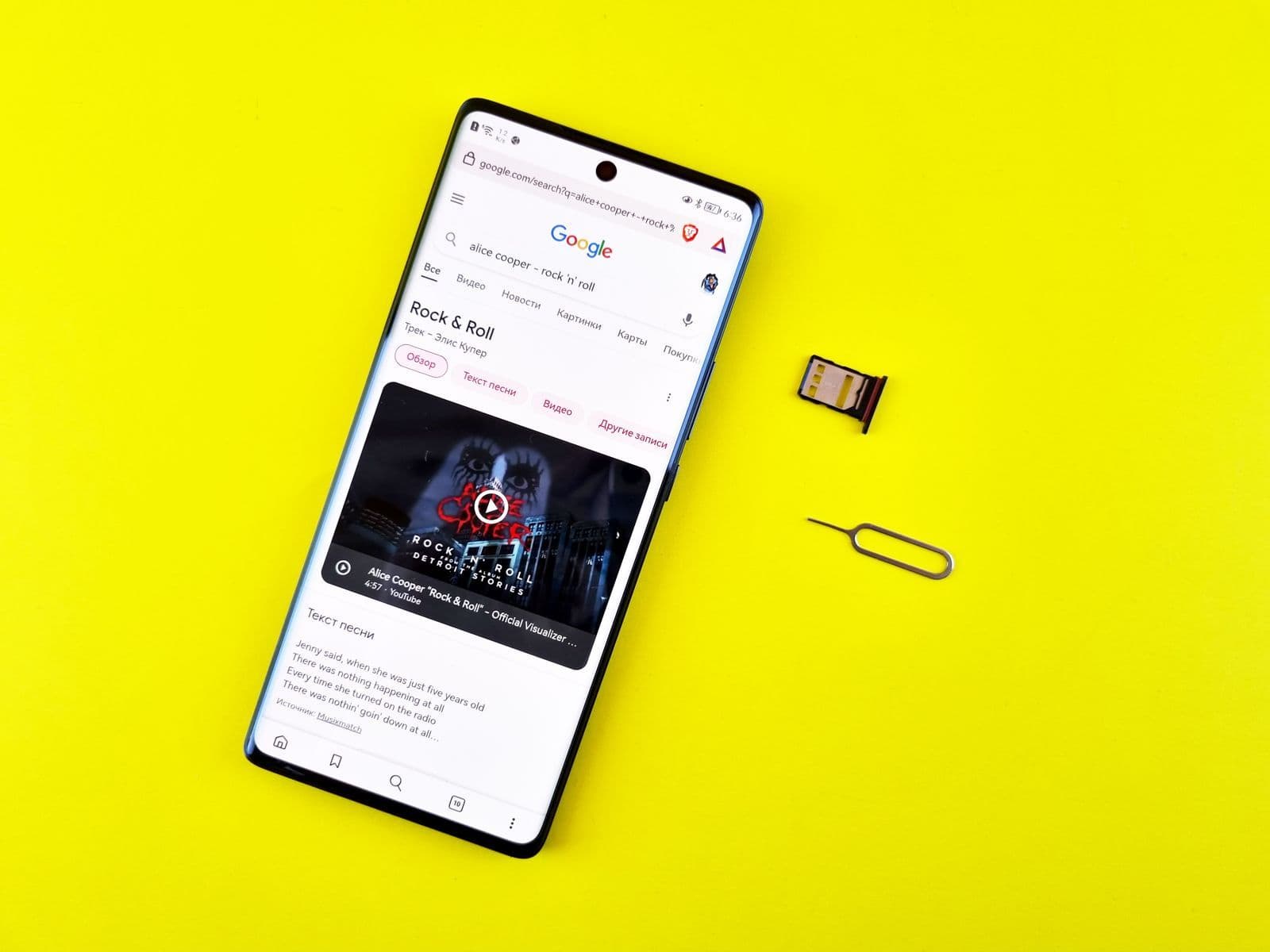
Pay-as-you-go mobile plans in Australia deduct calls, texts and data from prepaid credit instead of supplying a standard monthly bundle. They can work for a backup phone, emergency handset or genuinely light user, but the cheapest-looking recharge can become expensive if data is used accidentally or credit expires before it is consumed.
Quick answer
Compare PAYG mobile by calculating likely calls, texts and megabytes at the provider's per-use rates, then check minimum recharge, credit expiry, inactivity and number-retention rules. Confirm 4G or 5G device compatibility and coverage. For regular data or frequent calls, a small bundled prepaid plan may cost less and be easier to predict.
Key takeaways
- PAYG is a form of prepaid mobile service paid before use.
- Per-minute, per-text and per-megabyte charges matter more than the recharge headline.
- Credit expiry and service inactivity rules can determine annual cost.
- Background smartphone data can consume PAYG credit unexpectedly.
- Prepaid activation requires identity checks in Australia.
How pay-as-you-go mobile plans in Australia work
The ACCC distinguishes PAYG from prepaid bundles: a customer may buy a dollar amount of credit and have usage deducted at stated rates. Calls can be charged by minute or another unit, messages per send and data per kilobyte or megabyte. The Critical Information Summary should explain inclusions, exclusions and charges.
A PAYG service may need a recharge within a stated period to keep credit or the mobile number active. These are separate concepts: credit can expire before a service is cancelled, and a service can have an inactivity rule even when the user rarely makes outgoing calls. Save the activation and expiry terms.
| Feature | PAYG credit | Bundled prepaid |
|---|---|---|
| Charging | Deducted per use | Included allowance for an expiry period |
| Best suited to | Very light or backup use | Regular calls, texts or data |
| Main cost risk | High per-use data or calls | Unused inclusions expire |
| Budget visibility | Depends on usage events | Recharge amount known upfront |
| Key check | Credit and service expiry | Allowance, rollover and excess rules |
What to compare before choosing
Per-use rates
Calculate a realistic month of calls, texts and data using the billing increment and connection charges shown in the CIS. A small amount of smartphone data can outweigh the savings from making very few calls.
Decision check: What would the exact expected usage cost before adding any minimum or renewal recharge? Record the answer for every shortlisted option using the same period and assumptions. This prevents a promotional headline, isolated rate or theoretical feature from outweighing the conditions that determine the real household result.
Credit and number expiry
Record how long recharge credit remains usable, when the service becomes inactive and how long the number can be recovered. A backup phone has value only if it remains active when needed, while expired credit can raise the effective annual cost.
Decision check: What action and recharge date are required to keep both credit and the mobile number active? Record the answer for every shortlisted option using the same period and assumptions. This prevents a promotional headline, isolated rate or theoretical feature from outweighing the conditions that determine the real household result.
Network and device compatibility
Check the provider's current 4G and 5G coverage map and confirm the handset supports voice, data and Triple Zero calling on that network. Australia's 3G networks are closed, and some older or imported 4G devices may not meet emergency-calling requirements.
Decision check: Has the telco confirmed this exact device can be supplied service and make emergency calls? Record the answer for every shortlisted option using the same period and assumptions. This prevents a promotional headline, isolated rate or theoretical feature from outweighing the conditions that determine the real household result.
Data control
Disable background mobile data or set strict device limits when PAYG data is expensive, and use trusted Wi-Fi where appropriate. App updates, photo backups and notifications can consume credit without an intentional browsing session.
Decision check: Which apps can use mobile data, and what is the maximum credit exposure before an alert or block? Record the answer for every shortlisted option using the same period and assumptions. This prevents a promotional headline, isolated rate or theoretical feature from outweighing the conditions that determine the real household result.
Estimating annual PAYG cost
Build a usage basket: outgoing call minutes, SMS, MMS and mobile data. Apply the provider's charging units and multiply by expected months. Add every recharge needed to preserve the service, even when credit is not fully used. The result is effective annual cost, not merely consumed credit.
Compare that number with a small prepaid bundle across the same network and expiry period. Include the value of unlimited standard calls or messages only when the user needs them. A bundled plan can be cheaper after surprisingly modest use, while PAYG can remain suitable for a device that is mostly switched off.
Keeping a backup phone genuinely ready
Charge the handset, make a permitted non-emergency test call, confirm credit and record the expiry date. Do not call Triple Zero to test a device. The Department of Infrastructure says phones now connected to Australian mobile networks must meet emergency-calling requirements following the 3G shutdown.
Store the recharge method and account credentials where the responsible person can access them. A phone kept for an older relative or emergency kit should be checked on a schedule, not only after a crisis begins.
- Set calendar reminders before credit or service expiry.
- Check battery health and charging cable.
- Confirm current network coverage at the intended location.
- Keep provider support details offline.
Activation, ID and switching
Prepaid mobile activation requires the telco to collect and verify identity information. If an existing number is ported, additional identity checks apply. Keep the old service active until the port completes and ensure account details match.
If the PAYG product is used for banking or account recovery, update contact records carefully before allowing it to lapse. Losing access to a rarely used number can affect authentication well beyond the cost of the mobile service.
Which option suits which household?
The examples below are starting points, not product rankings. Address eligibility, household behaviour, equipment, support needs and current plan terms can change the answer. A sound comparison uses the same real-world scenario for every option and keeps a dated copy of the information used.
| Household or situation | Likely starting point | Why |
|---|---|---|
| Emergency glovebox phone | PAYG with long, clear service validity | Usage is rare but readiness and coverage matter. |
| Older person making regular calls | Compare a small unlimited-calls bundle | Per-minute PAYG charges can grow quickly. |
| Child's contact-only phone | Test PAYG with data disabled | Low outbound use may fit if safety and expiry are managed. |
| Smartphone used away from Wi-Fi | Prefer a data bundle | Background and browsing data can be costly per use. |
A practical comparison process
Before choosing, create a one-page comparison record for the household. Note the service address or regular locations, current usage, equipment, support requirements, desired start date and any planned changes. Give every shortlisted option the same assumptions and annual comparison period. Record conditional discounts, expiry dates, installation or activation costs, cancellation consequences and the source document date. Keep uncertainty visible instead of forcing a false exact answer. This record makes it easier to explain the decision, spot a changed condition and review whether the selected option still represents value after the first complete billing or recharge cycle. Revisit the shortlist whenever a key assumption, price, address, device or household requirement changes.
- Estimate monthly calls, texts and data.
- Apply the exact PAYG rates and billing increments.
- Add minimum recharges needed to keep the service active.
- Compare a small bundled prepaid alternative on the same network.
- Verify coverage, device compatibility and identity requirements.
- Set expiry reminders and test the non-emergency service periodically.
Common mistakes
- Choosing by recharge amount without checking per-use rates.
- Forgetting credit and service expiry are different.
- Leaving smartphone background data unrestricted.
- Using an old handset without confirming emergency-call compatibility.
- Letting a number linked to important accounts lapse.
Where a plan, price or service feature can change, save the Critical Information Summary, energy plan document, bill estimate or provider terms with the date. Recheck eligibility at the service address immediately before applying and inspect the first complete bill or recharge cycle against what was promised.
Bottom line
PAYG is strongest for genuinely light, controlled use. Calculate the usage basket and annual keep-alive cost, then compare it with a bundled prepaid plan. Keep coverage, device compatibility and expiry visible before choosing, and use the broader SIM-only mobile comparison guide for alternatives.
Related CompareUs resources
- compare internet plans
- compare SIM-only mobile plans
- best prepaid mobile plans
- mobile network comparison
- switch mobile providers and keep your number
- CompareUs guides
Sources and editorial method
CompareUs reviewed Australian government, regulator, network and provider material available on 28 July 2026. Competitor pages were used only to understand search intent and common consumer questions. No competitor wording, ranking or table was copied. Current prices and availability must be confirmed using address-specific results and official plan documents.
- ACCC — Choosing a mobile phone service — PAYG, prepaid, postpaid and CIS comparison guidance
- ACMA — ID checks for prepaid mobiles — activation and porting identity requirements
- Department of Infrastructure — 3G network switch-off — current device and emergency-calling requirements
Where should you go next?
FAQs
What is a PAYG mobile plan?
It is a prepaid service where calls, texts and data are deducted from purchased credit at stated per-use rates.
Is PAYG cheaper than prepaid monthly plans?
It can be for very light use, but regular calls or data often make a bundled allowance better value.
Does PAYG credit expire?
Many products impose credit and service-validity periods. Check the exact CIS and recharge terms.
Can I keep my existing number on PAYG?
A provider may accept a port, subject to identity checks and its service rules. Keep the old number active during the process.
Do PAYG SIM cards require ID?
Yes. Australian prepaid activation requires identity information and verification.
Can I use PAYG for a smartphone?
Yes if compatible, but background data should be controlled because per-use data can consume credit quickly.