
Smart Meter Tariff Shock: What To Check Before Rates Change
Smart meters can unlock better usage data, but they can also change tariff options. Here is what to check before your rates move.
CompareUs Editorial TeamConsumer utilities editorial team
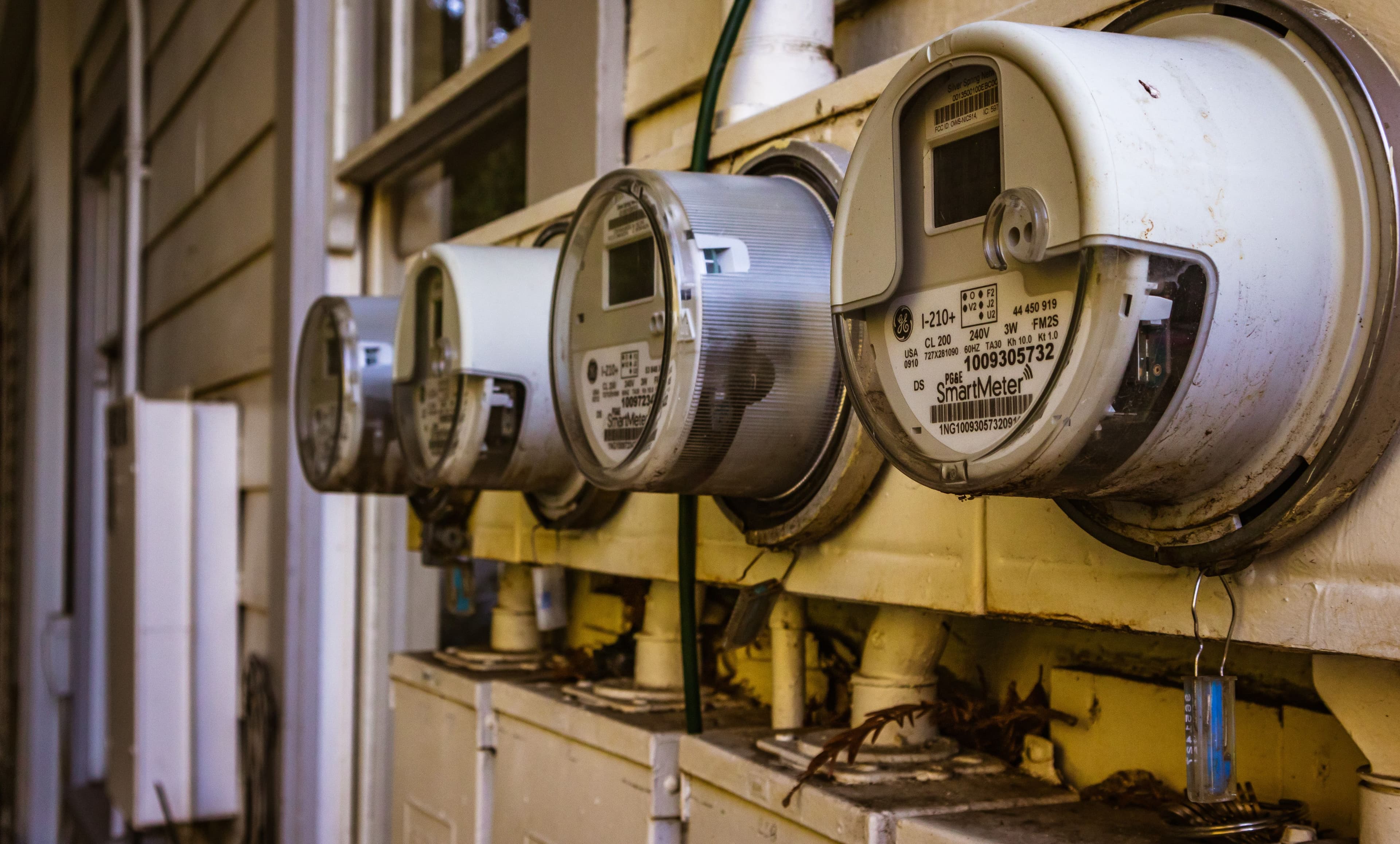
Quick answer: smart meter tariff shock
Smart meter tariff shock is the surprise a household can get when a meter upgrade changes the way electricity is priced. The meter itself does not automatically make electricity expensive. The risk is moving onto a tariff that charges more during the times your household uses the most power.
For many homes, the practical issue is not whether a smart meter is good or bad. It is whether the plan attached to the meter fits your routine.
Why smart meter tariffs are becoming a bigger issue
The Australian Energy Regulator says smart meters are being accelerated across the National Electricity Market, with a target for all customers to have one by 30 November 2030. Smart meters record usage in short intervals and can support remote reads, faster connection changes, solar exports and more detailed usage data.
That same detail also allows different pricing structures. Instead of one simple usage rate, a smart-meter plan may use peak, shoulder and off-peak pricing. Some plans may include demand charges, where one high-use period can affect the bill.
The customer problem is simple: households often understand the new meter before they understand the new tariff.
The tariff types to watch
A flat-rate tariff charges the same usage rate for electricity across the day, plus the daily supply charge.
A time-of-use tariff charges different usage rates at different times. Peak periods are usually more expensive, off-peak periods cheaper, and shoulder periods sit between them.
A demand tariff adds a demand component. This can be based on the highest level of demand recorded during a billing period or a defined window. It can surprise households that run multiple high-load appliances together, such as air conditioning, an oven, a clothes dryer and pool pump.
A controlled-load tariff may apply to appliances such as electric hot water on a separate circuit. Do not assume it disappears when your main meter changes. Check whether the controlled-load rate still applies.
Your rights before rates change
The AER's smart meter consumer guidance says retailers and meter providers must follow customer protections during the rollout. Retailers must provide notice of the meter exchange, usually including a five-business-day installation window.
The AER also says that, where a retailer initiates a smart meter installation, that installing retailer cannot change the customer's tariff structure for two years without consent. This protection is important because it separates the meter change from an immediate move to a more complex price structure.
There is a catch. If you change retailer after the smart meter is installed, those consent rules may not apply in the same way. That means switching plans after the meter upgrade should be treated as a fresh tariff decision.
States where flat-rate options matter
The AER notes that retailers in Queensland and South Australia must offer flat-rate plans to customers with smart meters. Some Australian Capital Territory customers may also have flat-rate options depending on their circumstances.
This does not mean a flat rate is always cheaper. It means you should not assume a smart meter forces you into time-of-use pricing. Ask your retailer to show the flat-rate option and compare it against any time-of-use or demand tariff using your actual usage pattern.
What to check before agreeing
Start with your most recent bill and usage data. Identify when your household uses power. If most usage happens after 4pm, a peak-heavy time-of-use plan may be a poor fit unless the off-peak savings are large enough to compensate.
Check:
- daily supply charge;
- peak, shoulder and off-peak times;
- the exact cents per kWh in each period;
- any demand charge and how demand is calculated;
- controlled-load rates for hot water;
- solar feed-in tariff and export limits;
- whether your retailer is asking for tariff consent;
- whether you can choose or keep a flat-rate plan.
If the retailer's comparison uses a generic household profile, ask for an estimate based on your own interval data once the smart meter is active.
Red flags on a new tariff
Be careful if the plan has a low off-peak rate but a very high peak rate and your household cannot shift heating, cooling, cooking or laundry away from the evening.
Be careful with demand charges if your household has electric heating, ducted cooling, an EV charger, a pool pump or several high-load appliances that can run together.
Be careful if the offer headline focuses on smart features but does not clearly show the supply charge, all usage rates and any demand component.
How to reduce the risk
Ask the retailer to confirm, in writing, whether your tariff structure will change after installation. If it will, ask when, why and what consent is being relied on.
Use your bill to compare your current plan against the proposed tariff. If you have smart-meter interval data, use that rather than annual averages.
If you are in Queensland or South Australia, ask for the flat-rate smart-meter plan as a comparison point. If the retailer cannot explain the difference clearly, compare other plans at /electricity.
Internal next steps
Read more about smart meters at /guides/what-is-a-smart-meter-and-do-you-need-one, compare tariff structures at /guides/electricity-tariffs-explained-simply, and estimate appliance usage with /calculators/electricity-cost.
Sources
- AER: Consumer rights and smart meters, https://www.aer.gov.au/consumers/smart-meter-rollout/consumer-rights-and-smart-meters
- AER: 2026-27 compliance and enforcement priorities, https://www.aer.gov.au/news/articles/communications/aer-releases-2026-27-compliance-and-enforcement-priorities
- Energy.gov.au: Reduce energy bills, https://www.energy.gov.au/households/household-guides/reduce-energy-bills
Where should you go next?
FAQs
Can my retailer change my tariff after installing a smart meter?
There are consumer protections. In many cases, the installing retailer cannot change your tariff structure for two years without your consent, but rules can differ if you switch retailer.
Are smart meters compulsory?
Under national reforms, smart meters are being progressively rolled out across the National Electricity Market, with a target for all customers by 30 November 2030.
What is a demand tariff?
A demand tariff includes a charge based on the highest level of electricity demand recorded during a set period, not just total kWh used.
Can I stay on a flat rate with a smart meter?
Many customers can still choose a flat-rate plan. Retailers in Queensland and South Australia must offer flat-rate plans to smart-meter customers.
What should I compare before agreeing?
Compare supply charges, peak and off-peak rates, demand charges, controlled load, solar export terms and how your actual usage falls across the day.