
WiFi 6 vs WiFi 7 Explained
A practical Australian guide to wifi 6 vs wifi 7, including bill drivers, comparison steps, plan-fit checks and official sources.
CompareUs Editorial TeamConsumer utilities editorial team
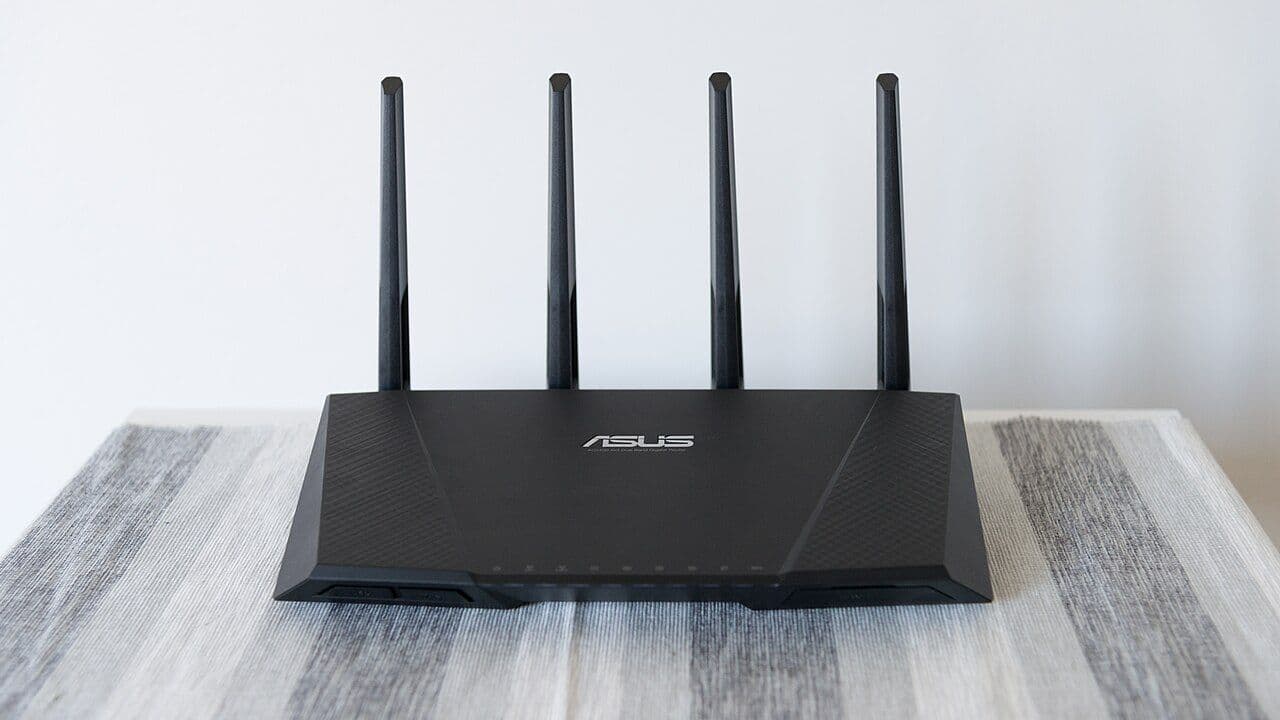
WiFi 6 vs WiFi 7 Explained is the kind of question that sounds simple in search results but rarely has a one-line answer in the real Australian market. Electricity, gas and internet outcomes change with the address, the meter or connection type, the usage pattern, the plan structure, the climate, the home setup and any rebates or concessions that apply.
This guide treats wifi 6 vs wifi 7 as a decision framework rather than a shallow ranking claim. The goal is to help readers understand what actually drives the result, what to compare first, where the common traps are, and which official sources should be checked before anyone switches provider, buys equipment or assumes a projected saving will hold up.
Quick answer
The best way to approach wifi 6 vs wifi 7 is to compare the actual bill drivers, your usage pattern and the current official guidance rather than relying on headline claims. In Australia, postcode, tariff type, technology, meter setup and rebates can all materially change the answer.
Router and Wi-Fi guides should focus on fit, not novelty. The right router depends on the home size, wall materials, number of devices, internet speed tier, need for mesh coverage and whether the household will actually benefit from the newest standard.
How to estimate wifi 6 vs wifi 7
The safest way to estimate wifi 6 vs wifi 7 is to separate the calculation into fixed and variable parts. In electricity and gas, that usually means a supply charge plus the usage itself. In internet, it means the monthly plan fee plus any modem, activation or equipment costs. For appliance-focused questions, the core relationship is energy used over time multiplied by the rate you actually pay, not a generic national average.
That is why readers should start with a recent bill or the current plan document rather than a blog headline. A guide can explain the formula and the decision points, but the final answer changes when the household has solar, controlled load, time-of-use pricing, demand charges, EV charging, a different NBN technology or a state-specific concession. The calculation only becomes useful when the assumptions are visible.
The main variables to check are home size and layout, number of devices, internet speed tier, mesh or extender needs, whether the devices in the home can use the standard properly. If even one of those changes, the outcome can move quickly. A cheap usage rate can be offset by a high daily charge. A fast broadband plan can lose value if the address cannot use the full speed tier. A rebate can look generous until the eligibility rules or installer requirements are applied.
Real-world scenarios that change the answer
For internet readers, the best-fit scenario usually depends on how many people are online at once, whether the home works remotely, what the access technology can deliver and whether the household is paying for speed it will never use.
That is why a search term like wifi 6 vs wifi 7 needs examples rather than slogans. A renter in a small apartment may care most about fixed charges and predictable billing. A family home may care more about air conditioning, hot water and whether usage spikes in the evening. A solar household may focus on self-consumption, export behaviour and battery timing. A small business may prioritise trading hours, refrigeration, machinery load or cash-flow stability over a headline discount.
When a guide acknowledges those scenarios, the reader can recognise which version of the question they are actually asking. That makes the article far more valuable than a generic answer because it helps the person move from broad research into a practical shortlist. It also reduces the risk of switching to a plan or product that looks good in theory but performs badly once the real usage pattern is applied.
Why buying the newest gear is not always the answer
Many households assume router problems are solved by buying the latest standard, but weak placement, poor channel selection, overloaded backhaul or a cheap ISP-supplied modem-router combo can be the bigger issue. A new router can help, yet the article should explain how to diagnose the real bottleneck before recommending a spend.
That is particularly relevant for Wi-Fi 6 and Wi-Fi 7 comparisons. Newer hardware can be attractive, but the benefit depends on whether the client devices support it, whether the home network is congested enough to need it and whether the internet connection is fast enough to expose the difference.
Why the comparison method matters
For broadband and NBN readers, the strongest comparison starts with the address checker, the access technology at the property and the actual speed tier the household needs.
A useful guide to wifi 6 vs wifi 7 does not pretend there is one national answer that suits everyone. A low-usage apartment, a family home with ducted air conditioning, an EV household and a small business workshop will not experience the same cost structure or the same provider value. That is why the comparison needs to hold the major assumptions constant and then test how the plan behaves under that exact scenario.
Readers should also be careful with content that mixes unlike-for-like examples. Comparing a single-rate electricity plan with a time-of-use plan, or a promotional NBN deal with an ongoing standard price, can make a weak answer look more attractive than it really is. The comparison only becomes defensible when the plan features, charges, timing windows and terms are aligned.
Common mistakes with wifi 6 vs wifi 7
The first common mistake is chasing a headline number without checking how it was produced. In practice, many readers search for wifi 6 vs wifi 7 hoping to find a fast verdict, but the result is often driven by variables hidden in the fine print. A calculator estimate, a review or a rebate article can all mislead if the assumptions are not made explicit.
The second mistake is treating short-term promotions as if they define long-term value. Welcome credits, short discount periods, bonus points, bundle hooks and comparison percentages can all be useful, but none of them replace the underlying bill structure or ongoing plan cost. For equipment or appliance guides, the equivalent mistake is focusing on purchase price while ignoring operating cost, maintenance, installation or usage patterns.
The third mistake is failing to check the official source before acting. Government schemes change, provider offers move, and connection rules can differ by address. A strong guide points the reader back to current source material and encourages a final verification step before a switch or purchase.
A practical checklist before you decide
Before choosing a broadband plan or device, readers should finish with a short written checklist covering address technology, required speed, device count, budget ceiling and whether any extra hardware is genuinely needed.
That checklist matters because wifi 6 vs wifi 7 often becomes a conversion decision too quickly. When readers slow down long enough to test the assumption against their own bill, address or equipment profile, they avoid the most common regret scenario: switching to something that looked attractive in generic content but was a poor fit once the real details were applied.
A strong checklist also makes the guide more reusable. The same article can help a first-time mover, a long-term homeowner, a solar upgrader, a pensioner or a small-business operator if it teaches them how to validate the decision in their own context. That is the difference between content that merely targets a keyword and content that genuinely supports a high-intent audience.
In practice, that means writing down the core assumptions before making the decision: what the household uses now, what is likely to change soon, what the budget ceiling is and which details still need verification from an official source or provider document. That habit turns the article into a decision tool rather than a piece of disposable content.
How to use CompareUs after reading this guide
Use CompareUs to narrow the shortlist at /internet, then verify the address, access technology and ongoing cost before committing. The reader should finish with a clearer checklist, not with an unsupported claim that one provider or one technology is automatically best for everyone.
That is especially important for high-intent search terms like wifi 6 vs wifi 7. These keywords sit close to a switching, buying or upgrade decision, so the article needs to help readers test the answer against their own circumstances. When that happens, the content becomes more useful for both the audience and the conversion path.
Sources and methodology
This guide uses official comparison tools, regulator material, government program pages, major network or technology sources and current Australian market structure. It deliberately avoids unsupported blanket rankings or fabricated rates. Where a provider, rebate or concession can change over time, readers should check the latest official source before relying on a specific amount, plan feature or eligibility rule.
The editorial approach is intentionally practical. Instead of pretending the same answer applies to every reader, the guide identifies the variables that change the outcome and explains how to test them. That method is especially important for Australian utility and broadband topics because network zones, tariffs, connection technology and state rules can create materially different results from one household or business to the next.
Because wifi 6 vs wifi 7 can shift with market conditions, this article should be reviewed regularly and refreshed whenever pricing, regulation, technology availability or government support settings move materially.
Where should you go next?
FAQs
What is the best way to compare wifi 6 vs wifi 7?
Use the same household assumptions, postcode or address details, tariff or technology context and current official sources before comparing providers or costs.
Can wifi 6 vs wifi 7 vary by state or address?
Yes. Australian energy and broadband outcomes often vary by network area, provider coverage, local charges, meter or technology setup and state-level policies.
Should I rely on headline marketing claims for wifi 6 vs wifi 7?
No. Headline claims can be useful prompts, but the final decision should be based on the full plan structure, current documentation and your own usage pattern.
How can CompareUs help with wifi 6 vs wifi 7?
CompareUs helps readers structure the comparison, understand the trade-offs and move from a research question to a shortlist grounded in real assumptions.
What should I check before acting on advice about wifi 6 vs wifi 7?
Check the latest provider documents, rebate rules, government guidance and your own bill or address details because current conditions can change over time.