
5G Home Internet vs NBN: Which Is Better in Australia?
An address-first comparison of 5G home wireless and NBN for Australian households, including speed variability, latency, setup and plan costs.
Sancia PereiraEnergy Markets Analyst
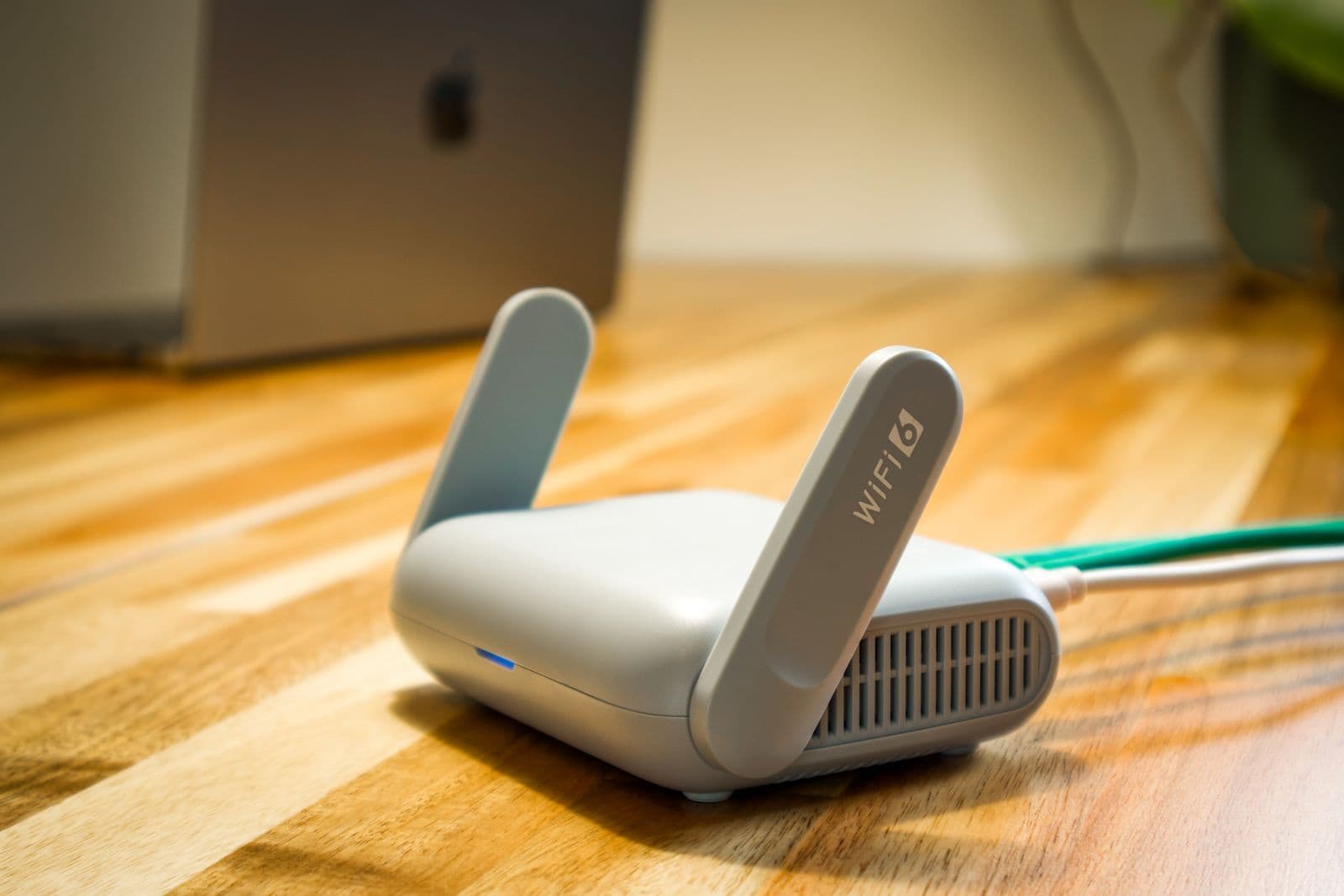
5G home internet vs NBN is an address-specific choice between two connections that can look similar at the Wi-Fi device. Underneath, they behave differently. NBN performance depends on access technology and speed tier; 5G home internet depends heavily on mobile coverage, signal quality and local network load. The better choice can change from one side of a street to the other.
Quick answer
Choose from plans confirmed at the exact address, then compare typical busy-period speed, upload performance, latency, data rules, modem terms and ongoing price. 5G home internet can be quick and simple where signal and capacity are strong. A suitable fixed-line NBN service may provide more predictable performance, broader plan choice and better support for latency-sensitive or upload-heavy work.
Key points
- Coverage bars alone do not establish indoor 5G home internet performance.
- NBN is not one experience: FTTP, HFC, FTTN and other technologies have different limits.
- Typical evening speed is more useful than a theoretical network maximum.
- Gaming, video calls, cloud backup and security cameras need latency or upload checks as well as download speed.
- Check modem return charges, cancellation rights and any satisfaction guarantee before testing 5G.
How 5G home internet vs NBN connections reach your home
A 5G home internet modem connects to a provider's mobile network and creates Wi-Fi inside the home. Providers can restrict sales to approved addresses to manage signal and local capacity. Performance changes with distance, building materials, modem placement, radio conditions and how many users share the serving network. A strong phone speed test is useful evidence but not proof that a home broadband product will behave identically.
The NBN uses several fixed-line, fixed wireless and satellite technologies. In this comparison, 'NBN' often means a fixed-line service delivered to a connection box, socket or node path, then through a retail provider. The chosen speed tier sets an upper service level while line conditions, retailer provisioning, home wiring and Wi-Fi affect the result. Identify the premises technology before comparing labels.
| Issue | 5G home internet | NBN |
|---|---|---|
| Availability | Address and mobile capacity dependent | Technology available at premises |
| Speed | Can be fast but more variable | Tier-based; technology and provider matter |
| Latency | Radio path can vary | Often steadier on suitable fixed line |
| Setup | Usually self-install modem | May require network equipment or appointment |
| Portability | Normally approved-address use | Fixed to service address |
What matters most when comparing your options
Address-level availability
Run both providers' qualification checks for the exact address and record any indoor-placement or service-area condition. A suburb-level coverage map can hide terrain, apartment walls, tower sectors and temporary capacity limits that determine the real 5G option.
A useful test is to ask: Will the provider sell and support this product at this precise address, not merely show outdoor 5G coverage nearby? Write the answer down in the same units for every option. That small discipline prevents a prominent headline, introductory discount or theoretical maximum from crowding out the detail that will shape the household's real result.
Busy-period download and upload
Compare typical evening download claims and any published upload range, then test at the times the household actually uses the connection. Peak speed is a moment; shared network congestion and weak upload performance shape video calls, backups and simultaneous use.
A useful test is to ask: What performance should be expected between 7 pm and 11 pm, and what remedy applies if it is consistently lower? Write the answer down in the same units for every option. That small discipline prevents a prominent headline, introductory discount or theoretical maximum from crowding out the detail that will shape the household's real result.
Latency, stability and application fit
Consider ping variation, dropouts and packet loss for gaming, remote desktops, voice and live video rather than focusing only on Mbps. A high-speed connection can still feel poor when response time jumps or brief interruptions break an interactive session.
A useful test is to ask: Which household activity fails first when the connection becomes variable? Write the answer down in the same units for every option. That small discipline prevents a prominent headline, introductory discount or theoretical maximum from crowding out the detail that will shape the household's real result.
Total cost and exit path
Add plan price, delivery, modem repayment or return fee, setup and any bundle condition across the intended ownership period. A low introductory month can be offset by device liability or a higher ongoing price, especially if 5G reception proves unsuitable.
A useful test is to ask: What will it cost to test the service and leave within the first month, and after the promotion ends? Write the answer down in the same units for every option. That small discipline prevents a prominent headline, introductory discount or theoretical maximum from crowding out the detail that will shape the household's real result.
Testing 5G home internet properly
Place the modem in several provider-permitted locations, usually near a window and away from dense obstructions, and test over Ethernet where possible. Run repeat tests in the morning, afternoon and busy evening period for at least several days. Record download, upload, latency and whether work calls or streams remain stable. Wi-Fi testing alone can confuse a home-network problem with the incoming 5G service.
Read any trial or satisfaction-guarantee conditions before ordering. Confirm the return deadline, device condition and shipping process. Keep the existing connection active during a short overlap if continuous service is essential; cancelling first removes the easiest fallback if the new service is weak indoors.
When NBN technology changes the answer
FTTP and HFC premises can access the NBN's higher wholesale speed tiers where retail providers offer them, making fixed line especially relevant for large downloads and uploads. FTTN performance can depend on copper length and condition, while fixed wireless has its own shared radio characteristics. Do not compare 5G with an abstract national average—compare it with the actual technology and plans available at the premises.
The home router also matters. A provider-supplied NBN router may cover the home better than a 5G gateway placed for signal, or the reverse. Ethernet, mesh access points and sensible placement can solve internal coverage without changing the internet service. Keep the access-network decision separate from the Wi-Fi design.
Reliability, calls and special services
Ask how each service behaves during a power outage. Most modern NBN and 5G equipment needs mains power, and a battery backup does not guarantee the wider network remains available. Households with medical alarms, monitored security, lift phones or other special services should contact the equipment provider before changing technology.
A home wireless product may not include a fixed telephone service, and some voice or alarm arrangements rely on a compatible NBN service or separate mobile path. The ACCC has specifically noted that wireless alternatives differ in availability, latency and support for fixed telephony or alarms. Those requirements should be cleared before price comparison becomes decisive.
Which option suits which household?
There is no universally best choice. The stronger option is the one that fits the household's location, equipment, usage pattern, appetite for complexity and likely behaviour after any introductory period. These scenarios are a decision aid, not a product ranking.
| Household or situation | Likely starting point | Why |
|---|---|---|
| Rental needing fast self-setup | Trial 5G if address-qualified | Low-installation friction can be valuable when indoor signal is strong. |
| Remote worker on frequent video calls | Prioritise stable tested performance | Upload, latency variation and dropout history matter more than headline download. |
| FTTP home with heavy users | Shortlist higher-tier NBN | Fixed-line plan choice and higher upload options may better support concurrency. |
| Light-use home near strong 5G | Compare total 5G cost | A simple wireless plan may meet needs without fixed installation. |
A practical comparison process
Use the same assumptions for every option and keep a copy of the plan summary, Critical Information Summary or offer terms you relied on. Online prices and eligibility settings change; a dated record makes it much easier to check the first bill or challenge a mismatch.
- Confirm NBN technology and 5G product eligibility at the exact address.
- List concurrent household activities and minimum upload or latency needs.
- Compare busy-period performance claims, data rules and traffic management.
- Calculate first-year and ongoing cost including modem and exit terms.
- Test the chosen service over Ethernet and Wi-Fi at different times.
- Keep a fallback until performance and return conditions are clear.
Common mistakes to avoid
- Using an outdoor mobile coverage map as an indoor service guarantee.
- Comparing a 5G maximum with only an NBN tier name.
- Ignoring upload speed, latency and short dropouts.
- Positioning the modem for Wi-Fi convenience instead of 5G signal.
- Cancelling the current service before a reversible test is complete.
The comparison should end with a defensible household decision, not the longest feature list. Recheck one-off costs, ongoing charges, speed or export constraints, cancellation conditions and what happens after a promotion. When two options remain close, favour the one whose conditions you understand and can realistically manage.
Bottom line
5G home internet is a credible NBN alternative at the right address, not a universal replacement. Qualify, test and price the connection the household can actually receive. Compare current internet plans, learn how typical evening speed works, and keep address evidence with the order.
Related CompareUs resources
Sources and editorial method
CompareUs reviewed current Australian regulator, government, network and provider material available on 28 July 2026. Product examples are included to explain how offers work, not as an endorsement or a permanent price promise. Check the provider's current terms and your address-specific eligibility before acting.
- ACCC — Broadband speeds — speed claims, busy-hour performance and consumer guidance
- ACMA — Choosing the right product or plan — Critical Information Summaries and plan comparison
- nbn — Higher speed tiers — current wholesale tier capability for eligible FTTP and HFC premises
Where should you go next?
FAQs
Is 5G home internet faster than NBN?
It can be at some addresses, but speed varies with signal, capacity and plan limits. Compare tested busy-period performance with the NBN technology and tier available.
Can I use 5G home internet at any address?
Usually no. Providers commonly qualify and approve a service address, even where a mobile coverage map shows 5G.
Is 5G home internet good for gaming?
It can work, but latency variation and stability matter more than peak download speed. Test the games and times that matter during any return period.
Does 5G home internet include unlimited data?
Plan rules vary. Check data allowance, acceptable-use terms and any speed management in the Critical Information Summary.
Do I need an NBN connection box for 5G home internet?
No. A 5G home internet modem connects to the mobile network, though existing NBN equipment should remain at the property.
Can I keep my home phone on 5G internet?
Not every 5G home internet service supports a fixed voice service. Check phone, alarm and medical-device compatibility before switching.