
Amber Electric Review 2026
A practical Amber Electric review for Australian households comparing wholesale electricity, solar, batteries, EV charging and price-risk tolerance.
CompareUs Editorial TeamConsumer utilities editorial team
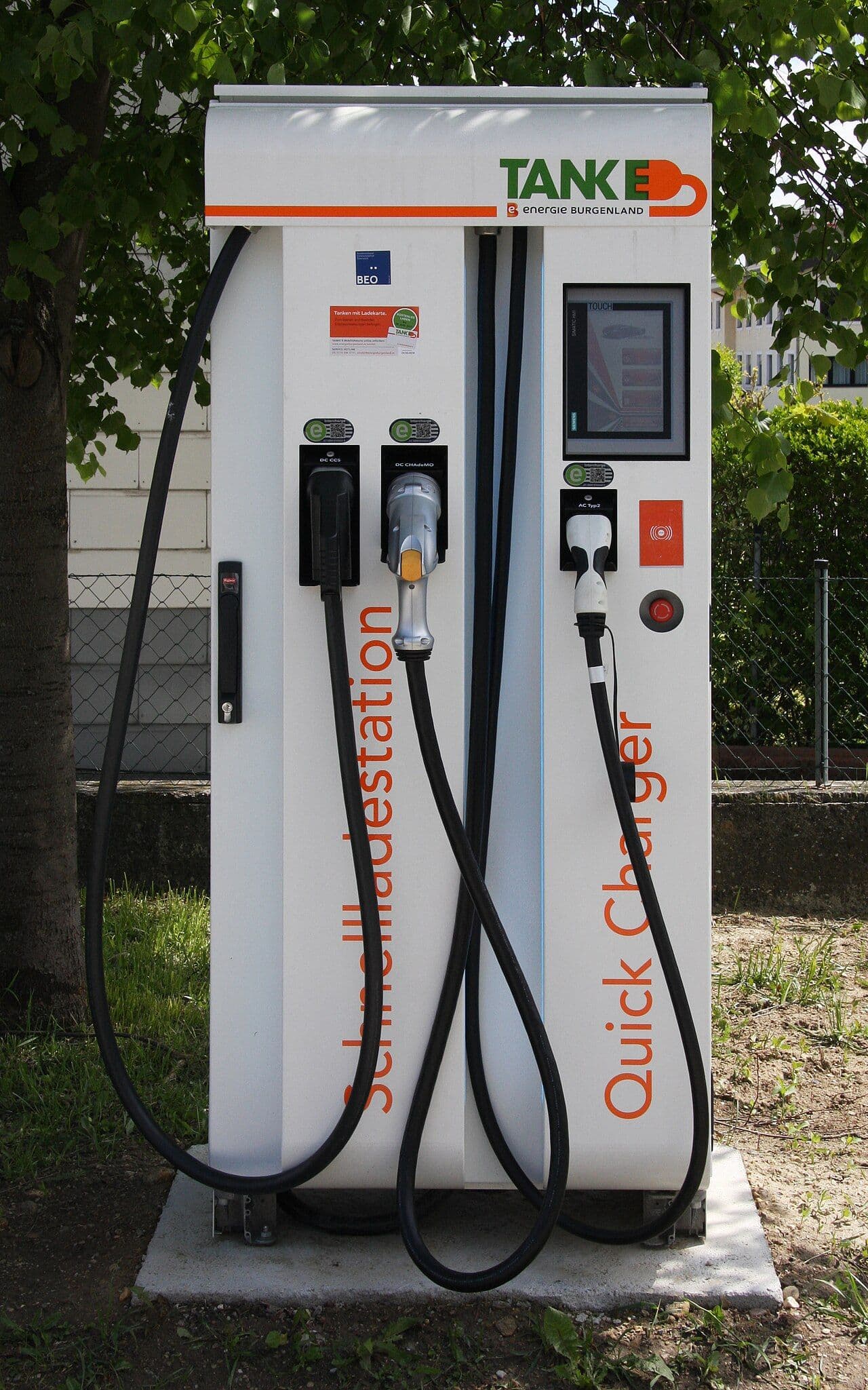
Amber Electric is a different kind of electricity retailer because it gives customers access to wholesale electricity prices instead of selling a conventional fixed retail rate. In 2026, that model can be attractive for solar, battery and EV households, but it also exposes the household to price swings that do not suit every budget.
Quick verdict on Amber Electric in 2026
Amber is worth shortlisting if you have a battery, flexible usage, an EV that can charge off-peak, or a household that wants to respond to live wholesale prices. It is a weaker fit if you want a simple predictable rate, do not want to monitor price signals, or cannot shift usage away from expensive evening periods.
Amber's public site says its membership fee is $25 per month and that it makes $0 profit from the energy a customer uses. It also says it passes through wholesale electricity prices directly at cost, including wholesale energy costs, hedging costs, network charges, metering costs, environmental costs and carbon offset costs. That structure is the core fact to understand before comparing it with AGL, Origin, EnergyAustralia, Red Energy or another standard retailer.
Where Amber is available
Amber states that it is available in Victoria, South Australia, New South Wales, the ACT and South East Queensland. That does not mean every postcode, meter setup or embedded network can sign up. The practical first step is to use Amber's quote flow and an official comparison tool for your state before assuming availability.
For New South Wales, South Australia, the ACT and South East Queensland, use Energy Made Easy to compare live offers with the same annual usage and tariff assumptions. For Victoria, use Victorian Energy Compare. Then compare the result with Amber's quote, current energy factsheet and membership fee.
How Amber's wholesale model works
A standard market offer usually gives you retail rates that are set in a plan document. Amber instead links the customer more directly to wholesale market prices, then charges a membership fee. The upside is that low wholesale-price periods can be useful for flexible loads such as battery charging, EV charging, hot water, pool pumps and daytime appliances.
The downside is price exposure. Wholesale prices can rise in evening peaks or during tight market conditions. A household that runs air conditioning, cooking, laundry and EV charging during high-price periods may not get the same result as a household that can shift load into cheaper periods.
A practical test is simple. If your household can move 8 kWh a day from an expensive evening window to a low-price daytime or overnight window, a 20 cent per kWh difference is worth about $1.60 a day, or $584 a year. If you cannot shift usage, the wholesale model may be less useful.
Amber for battery households
Amber's 2026 marketing is heavily focused on batteries. Its site says it is trusted by 50,000+ Australian battery owners and describes itself as the number one choice for battery automation. It also says 50% of battery customers have had a $0 bill or credit based on the past 12 months.
Those claims are relevant, but they should not be read as a guarantee. Battery savings depend on battery size, inverter compatibility, solar generation, household usage, export limits, wholesale price timing and whether automation can control the battery effectively. A 10 kWh battery and a 30 kWh battery will not produce the same result.
Amber's SmartShift automation is designed to buy, store and sell energy at smarter times. Before switching, check whether your battery brand and inverter are supported, whether SmartShift is available for your setup, and whether you are comfortable letting automation charge and discharge the battery based on price signals.
Amber for solar households
Solar households should compare import cost, export value and the $25 monthly membership together. Amber promotes access to wholesale feed-in rates and says wholesale feed-in rates can reach $19 per kWh. That peak number can be eye-catching, but it will not apply to every export period.
Use a full-year solar test. If the membership fee is $25 a month, that is $300 a year before usage and export outcomes. A solar household needs enough import savings, export earnings or battery optimisation value to beat that fixed cost compared with a standard retailer plan.
Do not compare Amber only against a retailer's flat feed-in tariff. Compare the total annual bill after evening imports, daytime exports, supply charges, network charges, environmental costs, metering costs and membership fees. If the home exports little because it uses most solar on site, the feed-in upside may be smaller than expected.
Amber for EV owners
Amber can suit EV owners who charge at flexible times. Its site says its smart EV charging solution builds on SmartShift and is intended to work with a home energy system. That is relevant if the car is parked at home during cheap-price periods and charging can be delayed.
Use an EV calculation before switching. An EV using 18 kWh per 100 km and driving 15,000 km a year needs about 2,700 kWh before charging losses. A 10 cent per kWh saving on that charging load is about $270 a year. That could cover most of Amber's $300 annual membership fee, but only if the household can actually access cheaper charging windows.
If you charge mostly during the evening peak because the car is away during the day and needed again at night, the result may be weaker. Apartment dwellers should also check strata approval, charger access, embedded network rules and metering before choosing an EV-focused plan.
Amber for renters and low-usage homes
Low-usage homes should be cautious because the $25 monthly membership is a larger share of the total bill. A household using 2,000 kWh a year has only 2,000 kWh over which to spread the $300 annual membership cost, while a household using 8,000 kWh has four times more load to optimise.
Renters should also check whether the account is in their name and whether the property is in an embedded network. If the meter cannot access Amber or the landlord controls the account, the wholesale plan may not be available even if the postcode is listed.
A renter without solar, battery or EV charging should compare Amber against at least three standard market offers. If the annual saving depends on active load shifting the renter cannot do, a simpler fixed-rate plan may be safer.
What can go wrong with Amber
The main risk is bill volatility. Wholesale prices can be low at helpful times and high at painful times. A customer who wants a stable bill every quarter may prefer a conventional retailer offer with clearer usage rates and fewer moving parts.
The second risk is misunderstanding the membership fee. The fee is separate from the energy pass-through costs, network charges and other bill components. Always include the $25 monthly fee in the annual comparison before deciding that wholesale access is cheaper.
The third risk is technology mismatch. Battery automation, EV charging and solar export value depend on compatible hardware, reliable data, network settings and customer preferences. If your battery cannot be automated or your EV charging cannot shift, the headline technology benefits may not apply.
How to compare Amber against a standard retailer
Start with a recent bill and collect annual kWh, solar exports, tariff type, controlled load, meter type and address. Then compare a standard plan through /electricity and the official government tool for your state. After that, compare Amber using the same annual usage and add the $300 annual membership cost.
For battery homes, model at least three cases: conservative automation value, expected automation value and a poor-price-timing case. For EV homes, model the kWh you can charge in cheap periods rather than total driving electricity. For solar homes, model exports by time of day instead of one average feed-in tariff.
Use /calculators/electricity-cost to test basic usage assumptions, then check /electricity/vic, /electricity/nsw, /electricity/qld, /electricity/sa or /electricity/act when state rules matter. If the household also uses gas, compare gas separately so electricity savings are not confused with appliance or fuel-switching decisions.
Who should shortlist Amber Electric
Shortlist Amber if you have a home battery, solar exports, EV charging flexibility, smart-meter data and a willingness to accept wholesale-price movement. It is also worth considering if you enjoy tracking energy prices and can shift large loads away from expensive periods.
Do not shortlist Amber solely because someone else received a credit bill. Amber's own site includes customer examples, but your result depends on your postcode, hardware, usage, battery size, tariff setup and market conditions. A customer with a 42 kWh battery and flexible exports is not the same as a renter in a small apartment.
Current offer notes to verify before signing up
Amber's site mentions a CommBank Yello offer where eligible customers can receive from $120 on their first 12 months with Amber, with an offer end date of 30 September 2026. Treat that as a promotional detail to verify before signing up because partner offers can have eligibility rules and expiry dates.
Also check the current energy factsheet, membership terms, state availability, solar export rules, SmartShift compatibility list and any battery or EV support status. A wholesale plan should be checked more carefully than a simple fixed-rate plan because price movement and technology settings are central to the result.
Sources and methodology
This review uses Amber's public 2026 website statements about its $25 monthly membership, wholesale pass-through model, availability in VIC, SA, NSW, ACT and SE QLD, battery customer claims, SmartShift positioning, EV charging positioning and current promotional notes. It also uses official comparison-tool logic from Energy Made Easy and Victorian Energy Compare.
The editorial method is to test Amber against practical household scenarios: solar-only homes, battery homes, EV homes, renters, low-usage homes and customers who prefer stable bills. Each scenario uses numbers a reader can calculate from a real electricity bill before switching.
Where should you go next?
FAQs
Is Amber Electric cheaper than a normal electricity plan?
It can be cheaper for flexible solar, battery or EV households, but it is not guaranteed. Compare wholesale exposure, the $25 monthly membership fee and your usage pattern against standard plans.
How much is Amber Electric's membership fee?
Amber's public site lists a $25 per month membership fee, which equals $300 a year before energy pass-through costs and network charges.
Where is Amber Electric available?
Amber states that it is available in Victoria, South Australia, New South Wales, the ACT and South East Queensland, but postcode and meter availability still need checking.
Is Amber good for home batteries?
Amber can suit battery households if the battery and inverter are compatible with SmartShift and the household is comfortable with wholesale price optimisation.
Who should avoid Amber Electric?
Households that want stable predictable rates, cannot shift usage, lack a battery or EV, or dislike wholesale price movement may prefer a conventional market offer.