
Best Electricity Plans for Small Businesses
A practical small business electricity guide covering annual cost, demand tariffs, operating hours, solar, DMO benchmarks and contract checks.
CompareUs Editorial TeamConsumer utilities editorial team
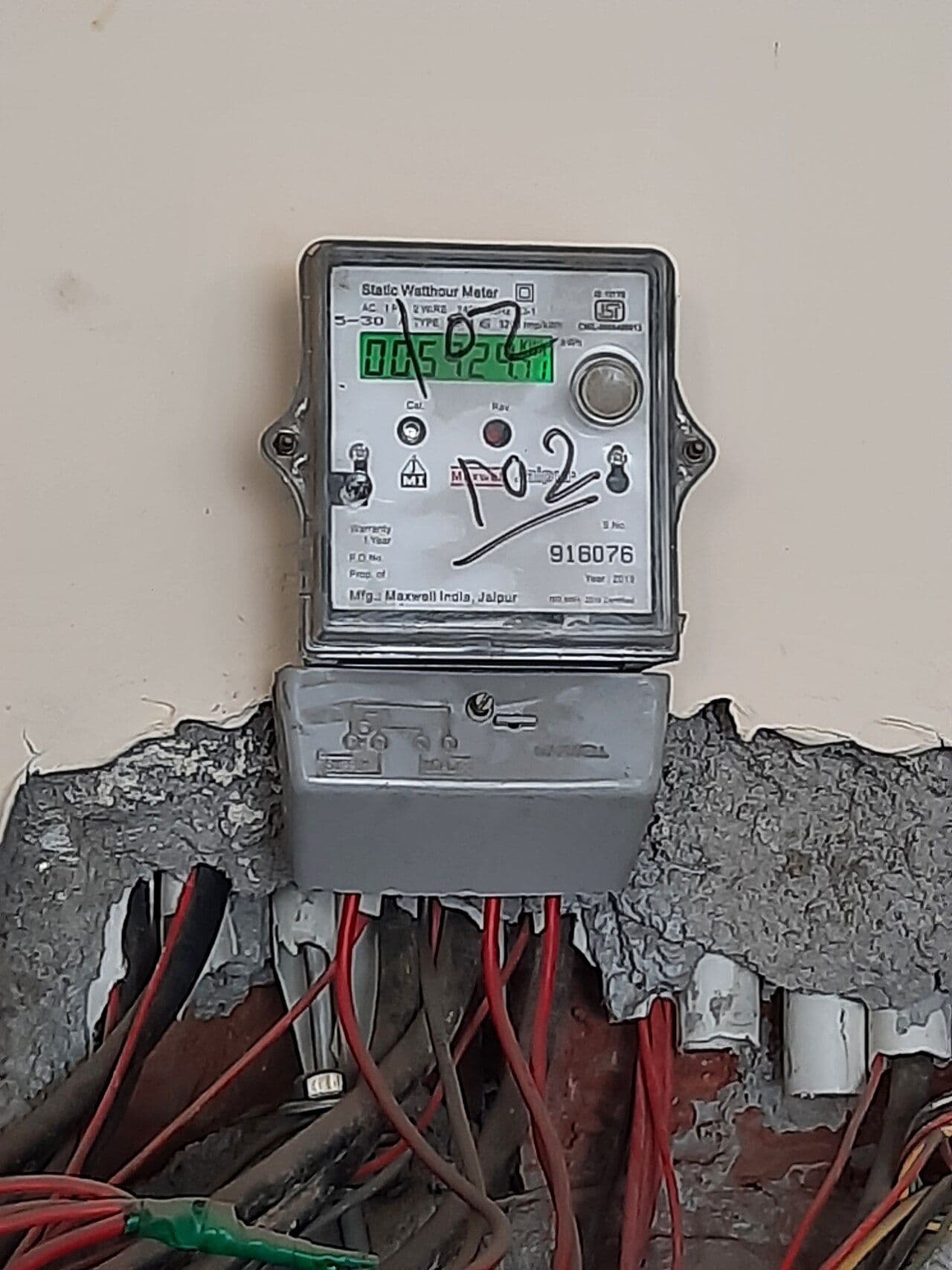
Small business electricity plans should be compared against trading hours, load shape, meter type and cash-flow needs. A cafe with refrigeration, a hair salon with dryers and a workshop with machinery do not need the same tariff structure.
Quick answer: how should a business compare plans?
Compare business electricity by estimated annual cost, daily supply charge, usage rates, demand charges, time-of-use windows, solar exports, contract length and payment terms. Use Energy Made Easy where it covers your jurisdiction, then check the current plan document for the exact ABN or business account.
The best plan is not always the lowest cents-per-kWh rate. A plan with a lower usage rate can lose if it has a high demand charge, high fixed supply charge or contract terms that do not match the business.
Start with operating hours and load profile
A business open from 7 am to 3 pm has a different electricity profile from a restaurant trading into the evening. Daytime-heavy businesses may benefit from solar or daytime tariff settings. Evening-heavy businesses need to check peak and shoulder rates carefully.
Refrigeration can run 24 hours a day. Coffee machines, ovens, dryers, compressors, pumps and air conditioning can create short high-load periods. Those peaks can matter if the plan includes a demand tariff.
Before comparing, collect at least one recent bill and preferably 12 months of usage. Note annual kWh, peak demand if shown, tariff type, supply charge, meter type, solar exports and GST treatment.
Small business benchmark examples
Benchmarks help you pressure-test offers. In New South Wales, CompareUs' current state reference lists small business DMO examples of $4,977 in Ausgrid, $4,775 in Endeavour Energy and $6,222 in Essential Energy. Different network zones create different baseline costs.
In South East Queensland, the 2026-27 Energex small business flat-rate DMO example is $3,849 for 10,000 kWh, with the time-of-use example at $3,693. In South Australia, the SA Power Networks small business flat-rate reference is $5,162 for 10,000 kWh, with time-of-use at $4,868.
Those figures are not quotes for your premises. They are comparison anchors. Your actual business can sit above or below them depending on usage, meter configuration and plan terms.
Demand tariffs and peak load
Demand tariffs charge partly on the highest usage level reached during a defined period. A bakery turning on ovens at once or a workshop starting machinery together may create a demand spike that increases the bill.
If the bill shows kW or kVA demand, compare demand charges before choosing a plan. A plan with a lower usage rate can be worse if the demand charge is high and your load spikes are hard to control.
Businesses can reduce demand by staggering equipment start times, servicing refrigeration, using timers and checking whether large loads can run outside expensive windows. Ask the retailer or broker to show the demand assumptions behind the annual estimate.
Solar for small businesses
Solar can work well for businesses that use power during the day. Cafes, offices, medical clinics and retail stores can often self-consume more solar than households where everyone is away during business hours.
Compare solar plans by net annual bill. Feed-in tariff matters less if most solar is used on site. A lower feed-in tariff can still be fine if the import rate and supply charge are strong.
If the business exports heavily on weekends or closed days, check export limits and feed-in rates. If the business has a battery, compare import rates, demand reduction and battery cycling before choosing a plan.
Contract and payment terms
Small businesses should check contract length, early termination fees, payment method conditions, paper bill fees, late payment fees and price-change clauses. A low rate is less useful if the business is locked into poor terms or cannot manage the payment conditions.
Cash flow matters. Monthly billing, bill smoothing or direct debit can help some businesses, but others may need invoice timing that matches cash receipts. Check payment options before switching.
If the business is moving premises, closing, expanding or changing equipment, avoid locking in a plan based only on last year's usage. New refrigeration, air conditioning or EV charging can change the load profile quickly.
How to compare step by step
First, collect 12 months of bills if available. Second, identify tariff type, supply charge, usage rates, demand charges and solar exports. Third, compare the annual estimate against the state or network benchmark where available.
Fourth, compare at least three offers on the same meter and usage assumptions. Fifth, check the contract terms. Sixth, use /electricity for current plan comparison, /calculators/electricity-cost to test kWh assumptions and /electricity/nsw, /electricity/qld or /electricity/sa when benchmark context matters.
If the business also uses gas, compare gas separately because gas network charges and MJ rates are not covered by electricity DMO benchmarks.
Common mistakes
The first mistake is comparing residential-style advice with a business meter. The second is ignoring demand charges. The third is judging by usage rate alone. The fourth is using one seasonal bill for an annual estimate.
The fifth mistake is forgetting GST and cash-flow timing. The sixth is accepting a renewal without comparing the current market. The seventh is ignoring solar self-consumption if the business uses power during the day.
Sources and methodology
This guide uses CompareUs state electricity references, current DMO small business benchmark examples, Energy Made Easy comparison logic and practical small-business load scenarios. It avoids naming one universal provider because business costs change by address, meter type, operating hours and demand profile.
Where should you go next?
FAQs
What is the best electricity plan for a small business?
The best plan is the one with the lowest realistic annual cost for the business meter, operating hours, demand profile and contract needs.
Are business electricity plans different from residential plans?
Yes. Business plans can have different tariffs, contract terms, demand charges and benchmark assumptions.
What is a demand charge?
A demand charge is based on the highest electricity demand reached during a defined period, usually shown in kW or kVA.
Is solar useful for small businesses?
It can be useful if the business uses power during daylight hours, because more solar can be consumed on site.
What should I check before switching business electricity?
Check annual kWh, demand charges, supply charge, usage rates, solar exports, contract length, fees and payment terms.