
Can You Bring Your Own Modem When Switching NBN?
A practical BYO modem checklist covering router compatibility, WAN settings, provider voice limitations and the safest order for switching NBN.
CompareUs Editorial TeamConsumer utilities editorial team
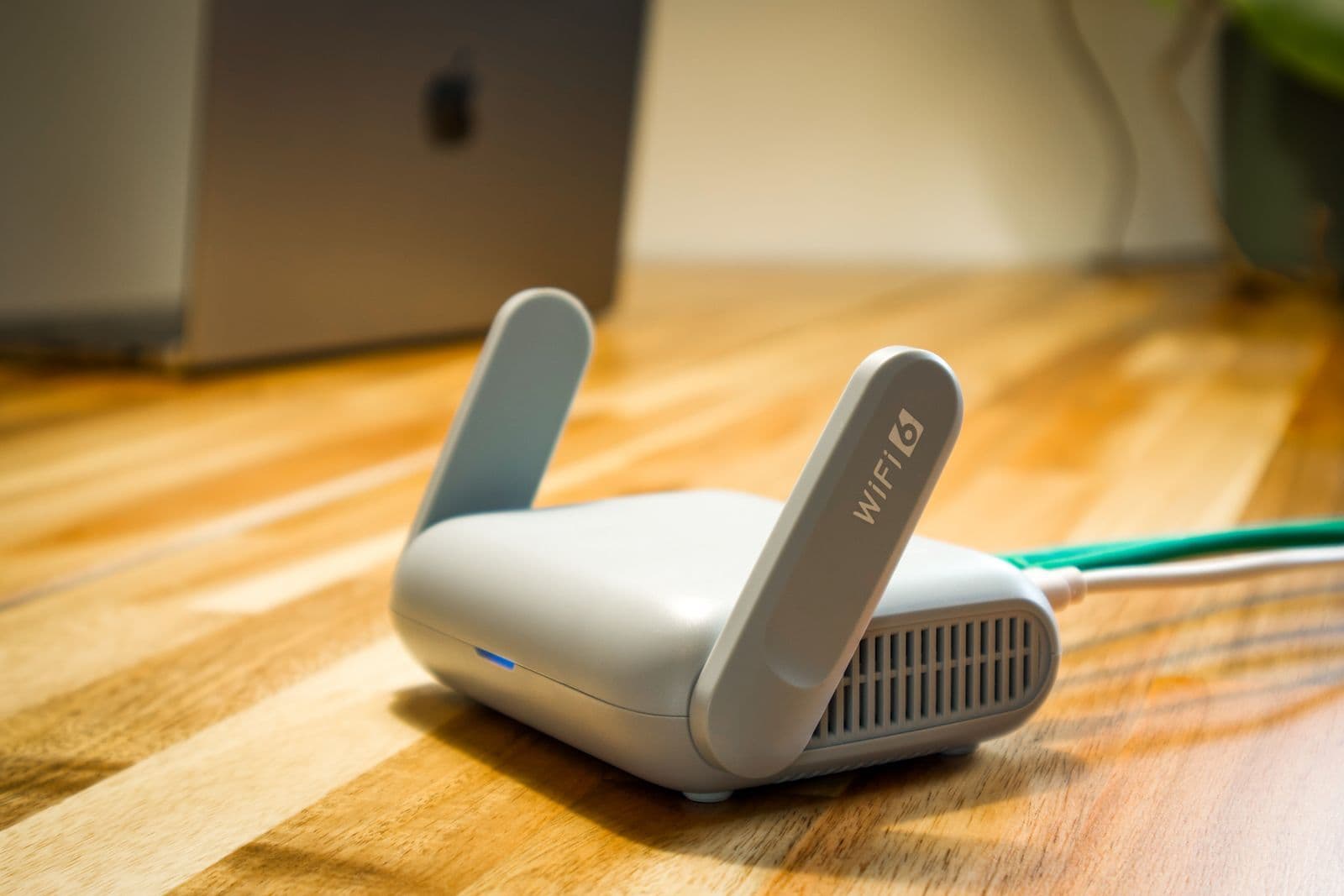
You can often bring your own modem when switching NBN providers, but the word modem causes confusion. FTTP, HFC, FTTC and Fixed Wireless premises normally have an NBN-owned connection device, while the customer supplies or receives a Wi-Fi router. FTTN and FTTB usually need a compatible VDSL2 modem-router.
Compatibility therefore depends on the access technology, the new provider's authentication settings and any voice service. Reusing good hardware can save money and preserve Wi-Fi settings, but guessing the configuration can turn a routine switch into unnecessary downtime.
Quick answer: bring your own modem
Most NBN customers can reuse a compatible router, but FTTN and FTTB require suitable VDSL2 modem hardware and every provider can use different WAN settings. Confirm DHCP or PPPoE details, VLAN requirements, voice support and minimum port speeds before switching. Keep the NBN-owned connection box at the property and reset old provider settings carefully.
Key takeaways
- The NBN connection box and your Wi-Fi router are different devices.
- FTTN and FTTB need a compatible VDSL2 modem function.
- Providers can use DHCP, PPPoE or other configuration requirements.
- Bundled voice services may not work on BYO hardware.
- Higher-speed plans need sufficiently fast WAN, LAN and Wi-Fi capability.
bring your own modem: side-by-side comparison
The table is a decision aid, not a substitute for an address check or current plan document. Read across the factors that match the household rather than choosing from the first row that looks favourable.
Identify which box does what
Network-owned NBN equipment forms part of the premises connection and should remain when you move. It may be an FTTP network termination device, HFC cable modem, FTTC connection device or Fixed Wireless box. Your router connects to it and creates the home network.
On FTTN and FTTB the NBN signal arrives over the telephone-style copper pair, so the customer device also performs the VDSL2 modem job. A router with only an Ethernet WAN port cannot replace that function without a separate bridge modem.
Ask the new provider for exact settings
Before ordering, ask whether the service uses automatic DHCP, PPPoE credentials, VLAN tagging or another setup. Confirm which physical port to use and whether the provider allows third-party hardware. Optus, for example, publicly states DHCP compatibility for BYO equipment, while other providers publish their own requirements.
Save the old configuration and router admin password, then update firmware. If the router was supplied by the previous provider, it may contain locked or automatic settings. A factory reset can clear them, but it also erases Wi-Fi names, mesh pairing and custom security rules.
Voice services and provider support
NBN voice commonly runs through the retail provider's modem or router rather than the old analogue wall socket. Credentials may not be supplied for third-party devices. If a home phone, alarm or accessibility service matters, obtain written compatibility advice before changing equipment.
A provider may support the connection only up to its network boundary when BYO hardware is used. Keep a compatible spare or accept the supplied router if rapid fault isolation is more valuable than full network control.
Speed-tier and security readiness
An older router may connect successfully and still cap a fast plan. Check WAN and LAN port speeds, processing performance, Wi-Fi standard and security update status. NBN 500 and above can expose limits that were invisible on NBN 50.
Retire hardware that no longer receives security fixes. After switching, change administrative credentials, restore only necessary port forwards and test Ethernet before rebuilding the full mesh or smart-home setup.
How to compare options in the real world
A high-quality comparison moves from the address to the household and then to the contract. The following checks are deliberately practical: they are the questions that expose whether an attractive plan will still make sense after installation and after the first promotion has finished.
NBN technology
Identify FTTP, HFC, FTTC, FTTN, FTTB, Fixed Wireless or satellite first. Treat this as an eligibility gate: if the answer is uncertain, resolve it before using price as a tie-breaker. Save the address result or written provider response with the order.
WAN method
Obtain DHCP, PPPoE and VLAN settings from the new provider. Give current, plan-specific evidence more weight than a single review or speed test from another household. Note the date because network performance and advertising can change.
Voice
Confirm whether provider VoIP works on third-party hardware. Translate the specification into a household job—such as a video call, backup or game session—so it is clear what a better result would improve in practice.
Performance
Match port and Wi-Fi capability to the selected tier. Include the equipment in the comparison rather than treating it as a free extra. Ownership, compatibility and return rules can change both performance and the cost of leaving.
Support
Understand how far troubleshooting extends with BYO equipment. Put this figure into a twelve-month worksheet beside every shortlist option. That prevents an introductory offer or omitted fee from deciding the comparison by accident.
Test the service, not the marketing
Start with evidence from the exact address. Broadband products are delivered to premises, not suburbs in the abstract, and two homes on the same street can have different access technology, signal conditions or installed equipment. Save the address-check result and the plan document shown when you order; they provide a much stronger benchmark than a national maximum or a neighbour's experience.
Next separate the internet service from the network inside the home. A controlled Ethernet test shows what reaches the router, while a Wi-Fi test shows what reaches a particular room and device. Both results matter to the household, but they point to different fixes. Changing provider cannot repair a poorly placed access point, and buying a mesh kit cannot create wholesale capacity that is missing upstream.
Finally test at the time the connection matters. An evening streaming household, a daytime remote worker and a creator running overnight transfers can see different constraints. Keep several results rather than the most flattering or disappointing test. A useful comparison describes a pattern, not a screenshot chosen to prove a prior opinion.
Household examples
These examples show how the same market information can produce different answers. They are not recommendations for a particular provider; availability, prices and equipment must still be checked for the individual address.
FTTP with modern mesh
The household owns a current multi-gigabit mesh router. Reuse it if the new provider supports the WAN configuration. Check provider voice and troubleshooting limitations. The sensible next step is to confirm the address and current terms, then test the result during the household's busiest period.
FTTN with Ethernet-only router
A router has no DSL socket or VDSL2 modem. Use a compatible modem-router or separate bridged VDSL2 modem. Confirm NBN feature support before buying used equipment. Here, a stable connection and suitable home network are more valuable than the largest number printed on the plan card.
Provider router with home phone
The existing handset plugs into the old ISP router. Ask the new provider how voice will be provisioned before switching. Do not assume the old VoIP credentials transfer. This decision should be reviewed after activation because equipment, signal conditions and actual household behaviour can overturn a paper comparison.
A practical sign-up checklist
- Qualify the exact address and note the access technology, available tiers and any installation work.
- Choose the household's required download, upload, latency and reliability before looking at provider promotions.
- Compare typical busy-period information and read the current Critical Information Summary for each shortlisted plan.
- Calculate twelve months of plan charges, setup, delivery and hardware, then record the normal ongoing price.
- Check router compatibility, port speeds, Wi-Fi coverage, voice requirements and equipment return conditions.
- Read the fault, complaint, cancellation and switching process before the service is under pressure.
- Keep the existing connection until the replacement is active and tested when continuity is important.
This process may feel slower than clicking the first discount, but it usually takes less time than disputing a surprise modem charge or diagnosing a plan that was never suitable. A comparison is complete only when speed, support, equipment and exit terms have all been considered.
Common mistakes to avoid
- Removing the NBN-owned connection box when moving.
- Using an ADSL modem on an FTTN NBN line.
- Factory-resetting before saving settings.
- Assuming a successful link means the router can handle NBN 1000.
- Forgetting the home phone or medical-device pathway.
Most of these mistakes come from comparing one visible number while leaving the harder details unexamined. The remedy is simple: use the same address, tier, time period and household workload for every option, and give written plan documents more weight than sales shorthand.
Compare internet plans with CompareUs
Use the CompareUs internet comparison to review suitable plans, then check the internet provider directory and the NBN speed calculator. The internet value calculator can help turn promotions, hardware and ongoing charges into a fair cost comparison. For technology and address context, use the NBN availability calculator.
Plan availability, prices and performance claims can change. Confirm the current offer with the provider before ordering, keep the Critical Information Summary and schedule a review when any discount expires. CompareUs provides general information and does not assume one provider or technology is best for every household.
Sources and methodology
This guide prioritises Australian regulators, network operators, current provider documents and other first-party technical sources. Provider pages were used for product conditions, not as independent proof that one provider is superior. Sources were checked for this August 2026 publication batch.
- ACMA choosing an NBN plan — Equipment cost and compatibility guidance.
- NBN connection box overview — Official network-equipment explanations.
- NBN FTTP connection box — FTTP equipment and ports.
- Optus home broadband — Public DHCP BYO example.
- TPG higher-speed modem requirements — Provider hardware requirements.
Where should you go next?
FAQs
Can I use any router with NBN?
No. It must suit the access technology, provider settings and plan speed. FTTN and FTTB specifically need compatible VDSL2 capability.
Do I take the NBN box when I move?
No. NBN-owned connection equipment belongs with the premises. Take only your own or provider-directed router hardware.
Will my old provider modem be locked?
Some supplied devices retain provider-specific firmware or settings. Ask whether it can be reconfigured and whether it still receives security updates.
What is DHCP versus PPPoE?
They are different methods a router may use to obtain an internet connection. PPPoE generally requires credentials; DHCP may configure automatically. Follow the new provider's instructions.
Can BYO equipment run an NBN home phone?
Sometimes, but many providers keep voice configuration within supplied hardware. Obtain explicit confirmation if the phone service matters.
Should I reset my router before switching?
Save settings first, then follow the new provider's instructions. A reset can clear old configuration but will also remove Wi-Fi and custom network settings.