
Can Your Electricity Be Disconnected?
Electricity can be disconnected in Australia, but retailers must follow warning, hardship and life-support rules before they get to that point.
CompareUs Editorial TeamConsumer utilities editorial team
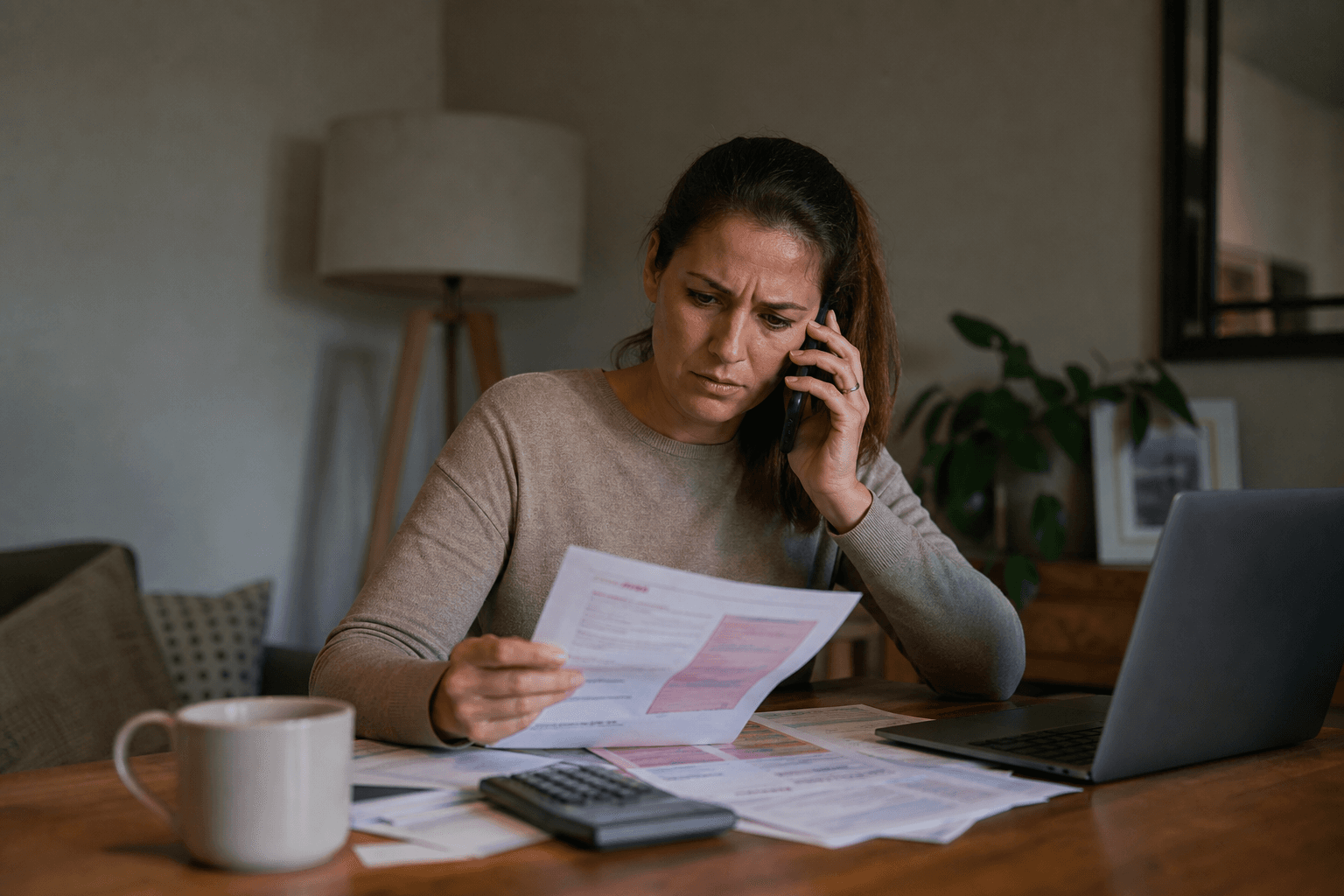
Yes, electricity can be disconnected in Australia for non-payment or some other account problems, but a retailer cannot simply switch you off without process. The practical rules that matter to households are warning notices, payment-plan rights, hardship support and life-support protections. If you understand those four points early, you can usually act before a disconnection turns into an emergency.
Quick answer: when is disconnection a real risk?
Disconnection becomes a real risk when bills remain unpaid, notices are ignored and the retailer cannot make contact or complete a workable payment arrangement. It can also become an issue when an account is inactive during a move, when there is unsafe meter access or in some cases of alleged tampering or account problems. The crucial fact is that retailers must follow notice and consumer-protection rules first.
A warning notice matters because it changes the timeline
The most important document in this process is the retailer's warning or reminder notice. Once you receive a disconnection warning, the right response is not to wait for the next bill cycle. It is to contact the retailer immediately, ask what amount is overdue, what date matters next, and what payment-plan or hardship options are available.
A vague article that says "contact your retailer if you are worried" is not enough. The actionable step is to call the retailer on the day the warning arrives, ask for the account notes to record your hardship or payment request, and request written confirmation of the arrangement by email or SMS.
Payment plans and hardship support are not optional extras
Retailers operating in the national energy market have hardship obligations. For a customer under pressure, that is not just nice language. It is the difference between a preventable disconnection and a structured payment path.
If you cannot pay the full overdue amount, ask for a payment plan based on what you can realistically afford each week or fortnight. If the situation is broader than one late bill, ask specifically to be assessed for the retailer's hardship program. That wording matters because it puts the conversation inside the retailer's formal support process instead of leaving it as a casual customer-service note.
Life support households need immediate protection steps
Life support protection is one of the clearest no-filler topics in this guide. If someone at the property relies on approved life-support equipment, the retailer and distributor both need that status recorded correctly. Do not assume that a hospital, installer or previous account holder has done this for you.
CompareUs' electricity content already treats life-support registration as a critical switch-check for pensioners and medically vulnerable households. The same rule applies here. If life-support equipment is used at the address, contact the retailer immediately, confirm the life-support flag is active, and keep a written record of who confirmed it and when.
State support programs can be more important than switching plans
When disconnection risk is already present, the fastest useful action is often support, not comparison. South Australia lists the Emergency Electricity Payment Scheme for customers in financial hardship with electricity debt or disconnection risk. Queensland lists the Home Energy Emergency Assistance Scheme with one-off support of up to $720 for eligible households in short-term financial crisis. Victoria has the Utility Relief Grant Scheme for eligible households facing temporary financial hardship.
Those are concrete named programs. If you are behind on bills, ask both the retailer and the relevant state support pathway whether you may qualify before assuming the only answer is to change providers.
Concessions can reduce the arrears if they are missing
A surprising number of disconnection-risk cases involve customers who should have had a concession but did not. Queensland's Electricity Rebate is $386.34 per year for eligible households. South Australia's Energy Bill Concession is up to $281.78 per year. Victoria's Annual Electricity Concession is 17.5% off eligible domestic mains electricity usage and service costs.
If you are eligible and the concession is not on the bill, ask the retailer to explain the application status immediately. A missing concession over several bills can be large enough to change whether the account is in arrears at all.
Moving house and account mix-ups can also lead to disconnection issues
Not every disconnection problem is classic non-payment. Some happen because the account was never transferred properly when moving in, because the outgoing customer closed the account early, or because the meter setup in an apartment or embedded network was misunderstood.
That is why move-in households should check account start dates, the NMI on the bill and whether the property is in an embedded network. If your issue began during a move, compare this guide with /guides/moving-house-electricity-connection-guide and /guides/how-to-transfer-electricity-when-moving-house.
When switching is the wrong first move
A customer already in payment difficulty should be careful about switching retailers before the support position is clear. Sometimes the better move is to stabilise the account through hardship, concession fixes or emergency assistance first. Switching can still be sensible later, but it is not always the first operational step when a disconnection warning is active.
Once the immediate risk is under control, then use /electricity and the relevant state page to compare whether the current plan is too expensive for the household's usage.
What to do today if you received a disconnection warning
First, call the retailer today. Second, ask for the exact overdue balance and the next action date. Third, request a payment plan or hardship assessment. Fourth, check whether any concession, rebate or state emergency support should apply. Fifth, if life-support equipment is used, confirm the life-support registration immediately.
Sixth, keep records. Write down the date, time, staff name and promised next step. Seventh, if the explanation still seems wrong or the retailer is not engaging, ask for the complaint process and then escalate to the relevant energy ombudsman if needed.
Common mistakes that make disconnection more likely
The first mistake is ignoring the first warning notice. The second is paying a small token amount without agreeing a formal plan. The third is assuming the concession is already applied. The fourth is failing to register life-support needs. The fifth is switching retailers before the arrears and protections are understood.
Next steps on CompareUs
If the issue is cost pressure rather than a one-off missed bill, compare current offers at /electricity after the immediate risk is stabilised. If you need state-specific context, use /electricity/qld, /electricity/sa or /electricity/vic. If you want broader support guidance, compare this guide with the hardship and concession content already published across CompareUs' electricity cluster.
Sources and methodology
This guide uses current CompareUs electricity concession and hardship references for Queensland, South Australia and Victoria, plus CompareUs editorial rules on life-support, switching and move-house processes. It avoids generic disconnection advice and focuses on the named actions, support schemes and account checks that materially reduce risk.
Where should you go next?
FAQs
Can my electricity be disconnected for non-payment?
Yes, but retailers must follow warning and consumer-protection processes first. You should contact the retailer as soon as a warning notice arrives.
What should I do if I get a disconnection warning?
Call the retailer immediately, ask for the overdue amount and next action date, and request a payment plan or hardship assessment.
What if someone in the home uses life-support equipment?
Contact the retailer and distributor immediately to confirm the life-support registration is active and correctly recorded on the account.
Are there state schemes that can help stop disconnection?
Yes. Examples include Queensland's Home Energy Emergency Assistance Scheme, South Australia's Emergency Electricity Payment Scheme and Victoria's Utility Relief Grant Scheme.