
Ceiling Fan vs Air Conditioner Running Cost: A Practical Guide
Ceiling fan vs air conditioner running cost explained with clear hourly examples. Compare comfort, actual electricity use and when to run both together.
CompareUs Editorial TeamConsumer utilities editorial team
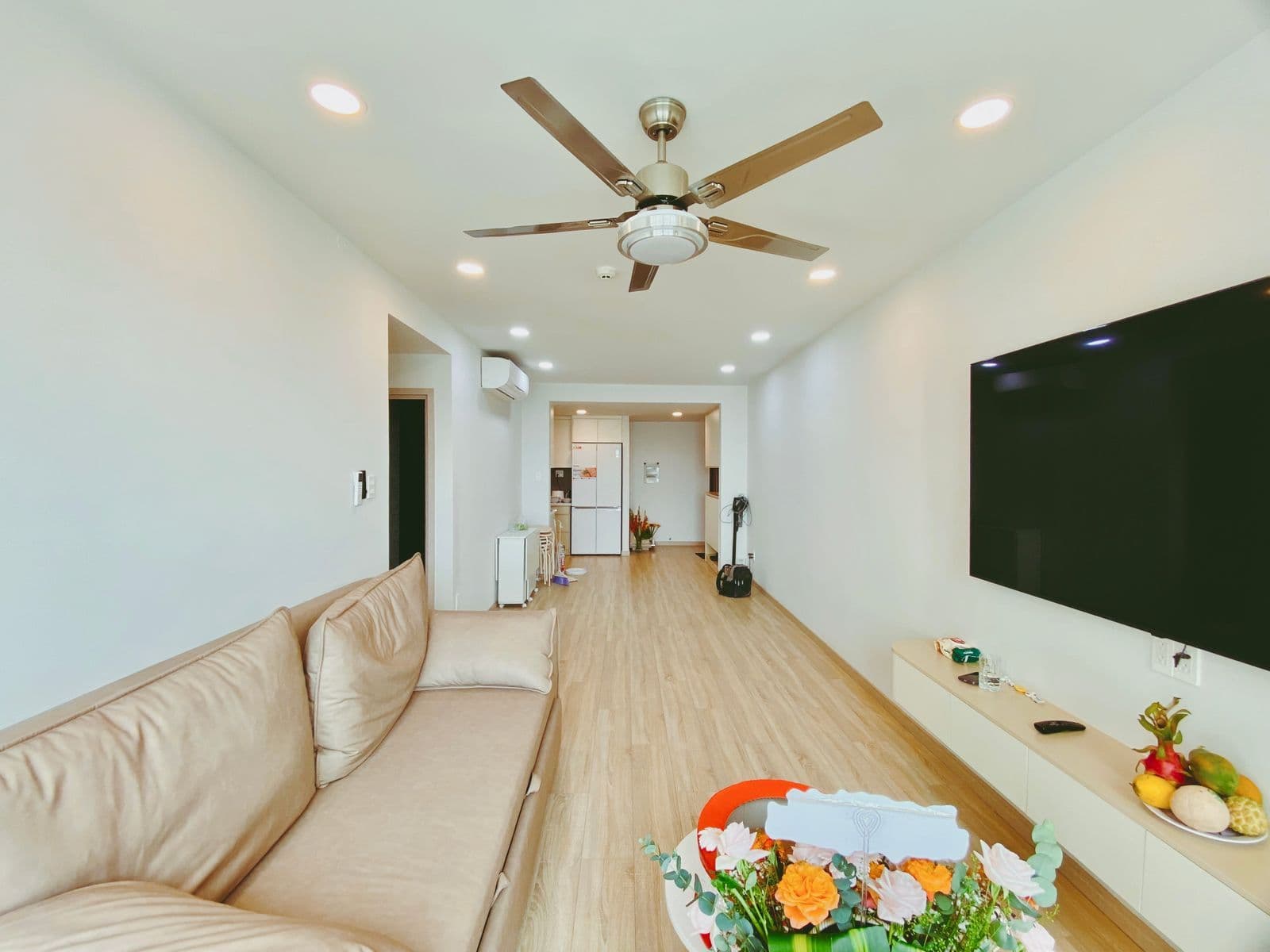
Ceiling fan vs air conditioner running cost is not a contest between two appliances doing exactly the same job. A fan moves air over you; an air conditioner removes heat from the room. The fan usually wins on electricity use, but the useful choice depends on whether airflow alone keeps the room’s occupants comfortable and safe.
Quick answer
A ceiling fan usually costs much less to run than an air conditioner, but it cools people through air movement rather than lowering room temperature. Compare electrical input, hours of use and your tariff. During hot conditions, using a fan with air conditioning may provide comfort at a higher thermostat setting.
Ceiling fan vs air conditioner running cost: the calculation
For either appliance, start with electricity consumed, not the size of the room or the number printed most prominently in an advertisement. Energy in kWh multiplied by the relevant dollar-per-kWh rate gives the usage cost. If you know a reasonably steady electrical input, multiply kW by hours to estimate kWh.
Fans often have different inputs at different speed settings. Air conditioners vary their draw as conditions change, particularly inverter systems. A maximum rating multiplied by the whole evening can overstate normal use; an optimistic low-power figure can understate a hot afternoon. Measured consumption over a representative period is more informative.
Use the electricity cost calculator for straightforward estimates. Keep the daily supply charge out of the incremental appliance comparison because you ordinarily pay it whether the fan runs or not. Demand-based tariffs require a separate check of whether the appliance changes the billed demand peak.
The common air-conditioner number that causes confusion
A split system described as 3.5 kW may be advertising its cooling capacity. That is the amount of heat it can remove under the relevant conditions, not necessarily the electrical power it draws. Using cooling capacity as input power can make the running-cost estimate materially wrong.
Look for rated electrical input, energy consumption or the manufacturer’s technical data. The Energy Rating air-conditioner guidance explains the labelling used to compare products. Climate zone and the intended heating or cooling task matter when comparing labelled results.
If you cannot locate a sensible input estimate, do not invent one from the model name. Ask the supplier or installer. For whole-house monitoring, remember that the meter includes other appliances. A change in total household draw is only a rough estimate if the oven, hot water or other equipment is operating at the same time.
An hourly and evening example
These inputs are hypothetical, not typical-use claims for all models. Suppose a ceiling fan draws 50 watts and an air conditioner averages 1,000 watts over the comparison period. Assume electricity costs 35 cents per kWh and both run for six hours.
| Equipment in this example | Average electrical input | One hour | Six hours |
|---|---|---|---|
| Ceiling fan | 0.05 kW | 1.75 cents | 10.5 cents |
| Air conditioner | 1 kW | 35 cents | $2.10 |
| Both at unchanged input | 1.05 kW | 36.75 cents | $2.205 |
The last row is important. Simply adding a fan does not automatically reduce the air conditioner’s consumption. Savings arise only if the fan allows a change, such as a higher thermostat setting or less compressor operation, that reduces air-conditioning energy by more than the fan adds.
At these invented inputs, replacing one six-hour air-conditioning session with a fan-only session would reduce usage cost by about $2. But that is only a sensible substitution when airflow provides suitable comfort. It is not evidence that a fan can replace cooling under every weather condition.
Why a fan can feel cooler without cooling the room
Air movement helps the body lose heat under suitable conditions. That is why you can feel a difference sitting under a fan even when a room thermometer barely changes. The benefit is mainly for someone in the airflow. Running a fan in an empty closed room is not equivalent to pre-cooling that room.
An air conditioner transfers heat out of the occupied space and can also reduce humidity during cooling. This changes the indoor conditions themselves. When heat has built up in walls, furniture and the room air, moving that same hot air may not achieve the comfort you need.
The Australian Government’s summer energy advice recommends practical measures including fans, sensible air-conditioner settings and reducing unwanted heat. Treat comfort and health as the first constraint, then look for the least costly way to meet it. Never delay necessary cooling simply to meet a bill-saving target.
When running both can make sense
Try the fan at a comfortable speed and increase the air-conditioner set point modestly, rather than setting the system to an unnecessarily low temperature. The government’s summer guidance suggests considering settings around 25–27°C where appropriate. Individual needs, humidity and health circumstances differ; this is not a compulsory target.
Observe how the room feels over a useful period. A thermostat reading near the indoor unit may not reflect the temperature where someone sits. Directing comfortable airflow across the occupied part of the room can help without turning the fan to its highest setting.
If you have energy monitoring, compare similar days and similar hours. A cooler outdoor afternoon is not proof the fan caused the saving. Record the thermostat setting, occupied rooms and approximate weather so the comparison has context. Even then, treat a short test as indicative rather than a precise annual forecast.
Fix the room before buying a larger system
Direct sun through a window can add heat faster than an appliance label suggests. External shading, closing suitable blinds before the sun hits and reducing air leakage can improve comfort. Use ventilation when outside conditions make it helpful, not automatically when the outdoor air is hotter than indoors.
Close doors to unused rooms where that suits the air-conditioning design. Keep filters clean according to the manufacturer’s instructions and avoid obstructing airflow. A struggling system may need maintenance or a sizing assessment rather than a more aggressive thermostat setting.
Ceiling height, floor area, glazing, insulation and local climate affect equipment suitability. Get qualified installation advice for a new air conditioner or ceiling fan. A fan must be safely mounted with appropriate clearances, and electrical work is not a do-it-yourself bill-saving exercise.
Different households, different decisions
A renter in a small room might find a portable fan sufficient on mild evenings and reserve air conditioning for hotter days. That approach avoids a permanent installation but still needs attention to electrical safety and trip hazards. The relevant question is the actual occupied space, not whether fans are universally better.
A family using several rooms at once faces a different trade-off. One efficient system cooling a shared room may make more sense than running poorly matched equipment throughout the house. Conversely, cooling empty rooms just because a ducted system is available can add unnecessary load. Zoning options depend on the installed system.
For a person vulnerable to heat, reliable cooling can be a necessity. Follow current health advice and any clinician’s guidance. If bills make adequate cooling difficult, contact the retailer about assistance and check relevant support. This guide compares appliance costs; it does not assess anyone’s medical tolerance of heat.
Time-of-use, solar and late-afternoon cooling
Many households need cooling when sunlight is falling and everyone returns home. That timing can be less favourable for direct solar use and may overlap a peak electricity rate. Use the actual rate for those hours when estimating costs rather than the cheapest rate shown on the plan.
If solar supplies part of the air conditioner’s demand, only the remaining imports attract the grid usage rate. However, self-consuming solar can forgo export credits. A simple estimate can show both cases: all-grid electricity and partial solar supply. Avoid assuming the system’s rated output is available throughout the cooling session.
Pre-cooling may help some homes, but its benefit depends on insulation, timing and total consumption. It can also run the system for longer. Compare actual energy use and comfort instead of assuming shifting operation earlier must save money. Victorian households considering a new daytime tariff can check the Midday Power Saver guide.
Make an estimate you can use
Choose a realistic session, such as the six hours between arriving home and going to bed. Record which rooms need cooling, the fan setting, the air-conditioner setting and the electricity rate. Calculate a range for air-conditioner input if you do not have measured data, and label the range as an estimate.
Multiply by a sensible number of similar days, not the full year automatically. Include a separate hot-weather scenario. If the likely saving is small, focus on comfort and avoiding unnecessary use rather than buying new equipment just to chase a narrow difference.
Finally, compare the whole household tariff through CompareUs electricity if your current rates no longer suit. For more detail on the compressor side of the calculation, see air-conditioner electricity use. A better plan and better appliance habits are separate decisions, so keep their savings separate.
Sources and review
Checked by the CompareUs Editorial Team on 27 September 2026 using government summer guidance and Energy Rating air-conditioner information. The hourly figures are original calculations using explicitly invented inputs, not tested product performance or a current retailer quote.
Where should you go next?
FAQs
Does a fan lower the room temperature?
A fan mainly improves comfort by moving air over people. It does not remove heat from a room in the way an air conditioner does. Turn it off when nobody benefits from the airflow, unless there is another specific ventilation purpose.
Is a 3.5 kW air conditioner using 3.5 kW of electricity?
Not necessarily. A quoted 3.5 kW often describes cooling capacity, not electrical input. Check the specifications or measured energy consumption before estimating the electricity cost.
Can I use a ceiling fan and air conditioner together?
Yes, where suitable for the room and occupants. Air movement may make a higher thermostat setting comfortable. Whether the combination saves electricity depends on how much it reduces the air conditioner’s actual use.
What tariff should I use in the calculation?
Use the usage rate that applies while the equipment runs, including GST consistently. For time-of-use pricing, separate the hours into their applicable periods. Do not treat the daily supply charge as a new cost for each appliance.
Is a fan enough in extreme heat?
Do not make a health or safety decision solely on running cost. Follow current public-health advice, especially for people at higher risk from heat. Use appropriate cooling and seek a cooler place or help when needed.
Will a bigger air conditioner always cost more?
A larger cooling-capacity number alone does not answer that. Efficiency, room sizing, outside temperature, thermostat settings and cycling affect consumption. Compare suitable equipment and actual electrical input for the task.