
Cheapest Electricity Rates in Adelaide
A South Australia electricity guide covering Adelaide benchmarks, tariff types, solar and practical switching steps.
CompareUs Editorial TeamConsumer utilities editorial team
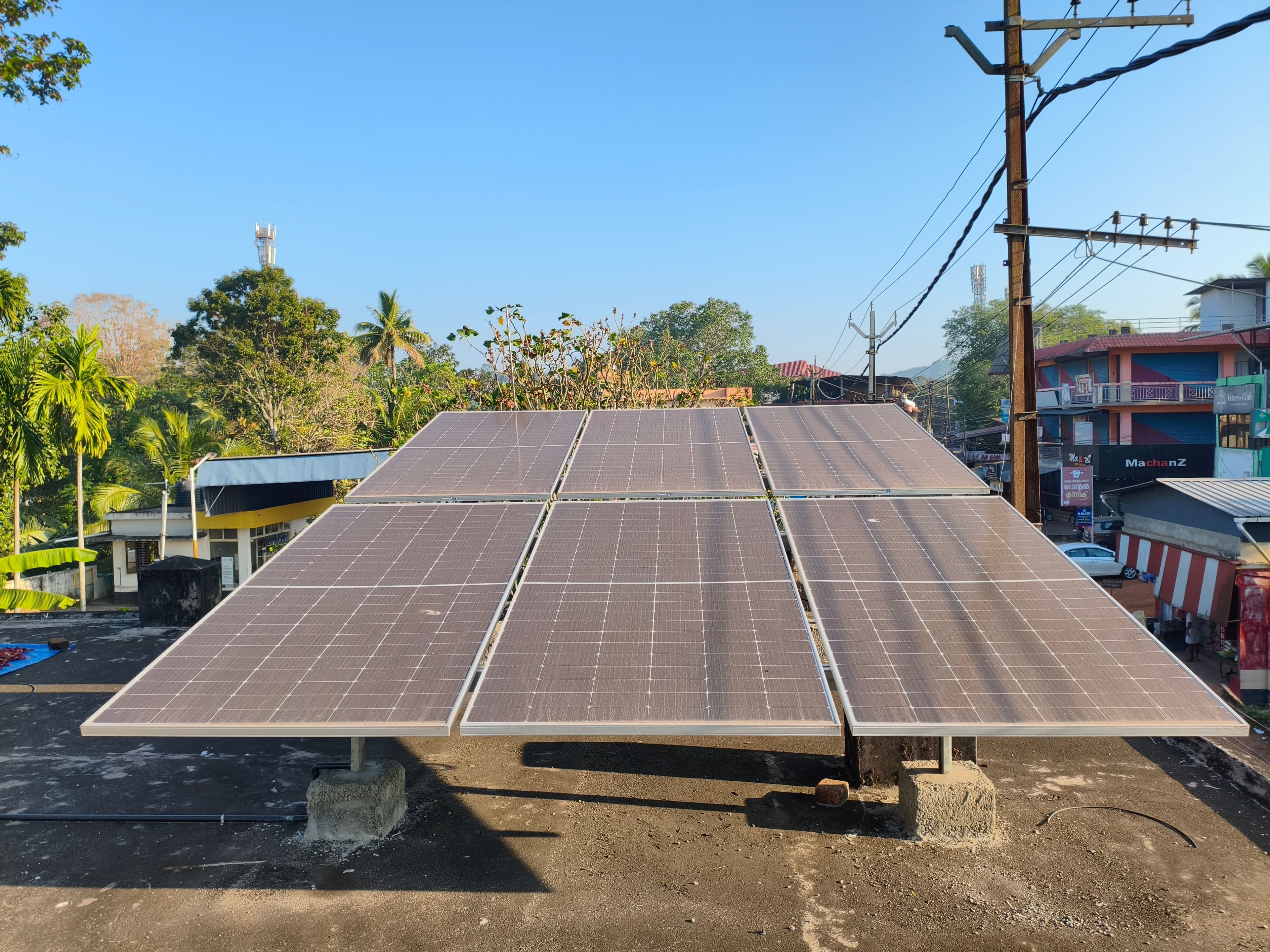
Adelaide electricity prices should be compared against the SA Power Networks benchmark and the household's meter setup. South Australia is one market, but the difference between flat rate, time of use, controlled load and solar export assumptions can move the annual bill more than a simple retailer discount.
Quick answer
The practical benchmark is the current SA Power Networks DMO example, not the biggest advertised discount. CompareUs' South Australia reference shows $2,334 for a residential flat-rate example and $2,276 for a time-of-use example. A plan only deserves to be called cheap if it beats the right benchmark for your meter and usage pattern.
South Australia benchmark examples
The 2026-27 South Australian benchmarks in CompareUs' state reference place a residential flat-rate customer at $2,334 and a time-of-use customer at $2,276. Small businesses are higher at $5,162 on flat rate and $4,868 on time of use for 10,000 kWh. These are comparison anchors for SA Power Networks customers, not fixed quotes from a retailer.
How Adelaide households should compare retailers
Use your annual kWh, tariff type, solar exports and controlled-load settings to compare retailers serving South Australia, such as AGL, Origin, EnergyAustralia, Alinta, Red Energy, ENGIE or others available at the property. Read the Basic Plan Information Document or Energy Price Fact Sheet instead of trusting a front-page percentage claim. The right plan for a city apartment can differ sharply from the right plan for a family home with ducted cooling and an EV charger.
Tariff, meter and usage checks
Time-of-use and solar-sponge style tariffs can work in Adelaide when the household can shift laundry, pool pumps, water heating or EV charging into cheaper windows. They can also backfire if most usage lands in the evening peak. Controlled-load customers should check whether hot water stays on a separate tariff and whether the meter configuration changes during a switch, because that detail can alter the annual bill by hundreds of dollars.
Solar, EV and household fit
Solar matters in Adelaide because export volume can be high in a sunny market, but import rates still drive the bill for most households after sunset. If a home exports 10 kWh a day, a 2 c/kWh feed-in difference is about $73 a year. A 3 c/kWh difference on 4,000 kWh of imported power is about $120 a year. That is why solar homes should compare the net annual bill, not the feed-in tariff in isolation. EV owners should also model overnight charging separately before jumping onto a special plan.
Rebates, concessions and protections
Eligible households should check the South Australian Energy Bill Concession, which CompareUs' reference lists at up to $281.78. Some households may also qualify for the Medical Heating and Cooling Concession. These concessions can change the practical annual cost more than a small retailer discount, so confirm that support is active before and after a switch.
What to do before you switch
Pull one recent bill and preferably 12 months of history, note your annual kWh, tariff type, supply charge, solar exports and controlled-load line, then compare at /electricity and /electricity/sa. Use /calculators/electricity-cost to test what a 5 c/day or 2 c/kWh difference means over a year. If you have rooftop solar, also compare your expected exports against your evening import needs before naming any plan the cheapest.
Bill maths example
A small rate difference becomes real money over a year. On 6,500 kWh of annual use, a 2 c/kWh gap is $130. A 10 c/day supply-charge gap is another $36.50. If the home has 1,800 kWh on controlled load and one plan is 3 c/kWh higher on that line, that adds $54. These are the kinds of bill maths that decide whether a plan is actually cheaper.
Solar households should run the same test on exports and imports. If one retailer pays 2 c/kWh more on 8 kWh of average daily exports, that is about $58.40 a year. If the same plan charges 3 c/kWh more on 4,000 kWh of annual imports, that adds $120. The export headline looks better, but the total bill is worse.
Who this kind of plan usually suits
Single-rate plans tend to suit homes with steady evening use, low appetite for timing appliances and no need to chase a smart-meter feature. Time-of-use or EV-style pricing tends to suit households that can delay charging, laundry, pool pumps or hot-water recovery into lower-cost periods. Solar-heavy homes need enough daytime self-consumption or a strong net-bill result to justify a special solar product.
Renters and low-usage homes should check the fixed daily charge first, because a small apartment can be penalised by a high supply charge even when the usage rate is good. Larger family homes, battery owners and EV households should test the whole-home bill because a plan that looks cheap on one line item can fail once high evening imports or charger load are added back in.
Checks for the first bill after switching
The first bill should show the right NMI, tariff type, meter read dates, controlled-load line and concession status. If a household moved from single rate to time of use, check that the new peak, shoulder and off-peak windows are the ones quoted in the plan document. If solar is installed, confirm the feed-in tariff and exported kWh line appear exactly as expected.
If the first bill is estimated rather than based on an actual read, keep the plan but monitor the correction on the next bill before deciding whether the switch worked. If the concession is missing, contact the retailer immediately because missing support can distort the annual comparison. If the supply charge or tariff type is wrong, fix that before judging the plan.
Questions worth asking the retailer
Ask which tariff type the quote is based on, whether the meter must be reconfigured, whether controlled load stays active, whether direct debit is mandatory for the advertised rate and how solar exports are credited. If the retailer cannot explain those fields clearly, the quote is not ready for a final decision.
Ask how often prices can change, whether there are exit fees, whether paper bills or card payments cost extra and whether the annual estimate includes GST. Business customers should ask how demand is calculated. EV owners should ask exactly when the off-peak window starts and ends. Battery owners should ask whether the plan has any export or virtual power plant conditions.
These questions sound basic, but they are what turn a generic retailer article into a useful switching guide. Readers can act on them immediately with a recent bill in hand, and each answer affects the real annual cost more than a slogan about flexible energy or smart savings.
Common mistakes
The most common errors are comparing flat rate with time of use, chasing the highest feed-in tariff without checking import rates, and ignoring the daily supply charge on low-usage homes. Another problem is assuming a plan that suits a non-solar household will also suit a battery or EV household. In Adelaide, meter setup and usage timing decide more than the plan name.
Sources and methodology
This guide uses CompareUs' South Australia electricity reference and current 2026-27 SA Power Networks benchmark examples. It avoids publishing one permanent cheapest retailer because Adelaide plan pricing changes by usage profile, tariff setup, solar exports and the current offer available at the address.
Where should you go next?
FAQs
What is the benchmark for Adelaide electricity?
CompareUs' South Australia reference lists a 2026-27 benchmark of $2,334 on flat rate and $2,276 on time of use for a typical residential customer.
Is the highest feed-in tariff always the cheapest solar plan?
No. A plan with weaker import rates or a higher supply charge can cost more overall even if the export credit looks strong.
Do Adelaide households need to check controlled load?
Yes. Hot-water and other dedicated loads can sit on a separate tariff, and a change there can shift the annual bill significantly.
What concession should South Australian households check?
Eligible customers should check the Energy Bill Concession, which CompareUs lists at up to $281.78, plus the Medical Heating and Cooling Concession where relevant.
How should I compare Adelaide electricity plans?
Use the same annual usage, meter type, tariff structure and solar export assumptions across every quote, then compare the annual cost.