
Chiropractic and Osteopathy Extras Cover
Understand chiropractic and osteopathy cover in Australia, including combined limits, provider recognition and likely claim value, questions to ask...
CompareUs Editorial TeamConsumer utilities editorial team
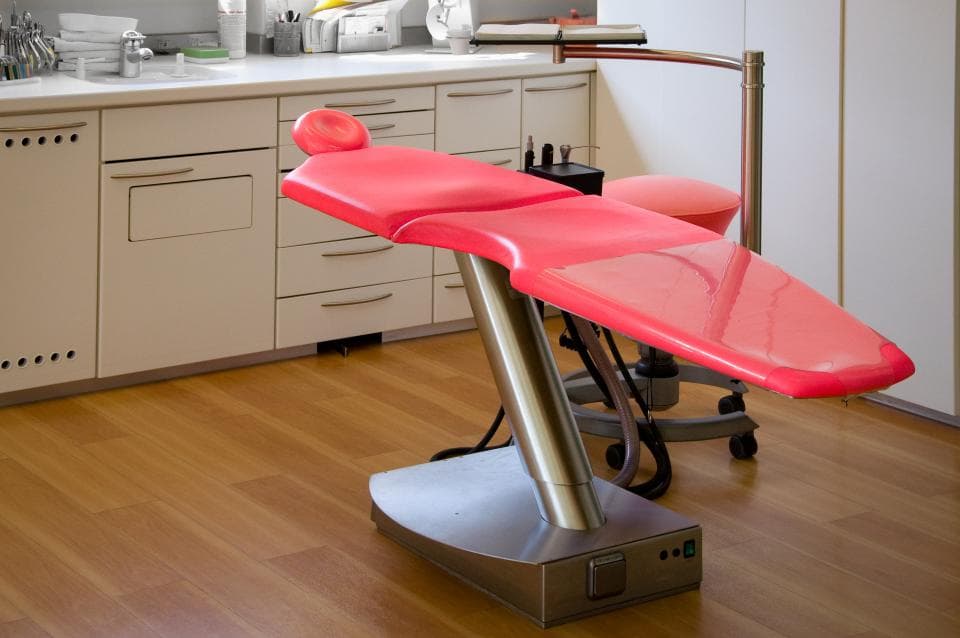
Chiropractic and osteopathy are often grouped inside one extras limit. Someone using both services should model the combined claim pattern instead of valuing each service as though it had a separate allowance.
Extras cover is closer to a schedule of small benefits than comprehensive insurance. A useful comparison starts with a provider’s fee and item number, then works backwards to the benefit, limit and waiting period.
Quick answer
Chiropractic and osteopathy are often grouped inside one extras limit. Someone using both services should model the combined claim pattern instead of valuing each service as though it had a separate allowance.
Chiropractic and Osteopathy Extras Cover: what matters in practice
Ask the provider for item numbers and fees before valuing the policy. Compare the benefit for the first and later visits, the remaining annual or lifetime limit, any combined sub-limit and whether a preferred-provider rate applies. Repeat the exercise for the number of visits you realistically expect—not the maximum printed in a brochure.
What to check in the policy
Recognised provider
Check the provider by name and registration details before booking. Recognition determines whether a benefit is payable, while preferred-provider status may change the amount. Neither label proves that the final out-of-pocket price is lower than another provider’s.
Waiting period
The maximum hospital waits are 12 months for pregnancy and birth and for pre-existing conditions, two months for psychiatric treatment, rehabilitation and palliative care, and two months for other hospital treatment. A pre-existing condition can be based on signs or symptoms in the six months before joining or upgrading, even without a diagnosis. Extras waits are set by the fund. When a member moves to the same or lower hospital benefits, served waiting periods transfer. A wait can apply only to new or higher benefits. The old insurer must provide a clearance certificate within 14 days, and claims already made can count against the new fund’s annual extras limits. Accrued extras bonuses usually do not transfer.
Benefit per visit
Use the member’s claim history and a provider quote. Record the benefit per item, what remains in the annual or lifetime limit and whether another service shares that limit. The printed maximum is not the likely return from the policy.
Annual or lifetime limit
Use the member’s claim history and a provider quote. Record the benefit per item, what remains in the annual or lifetime limit and whether another service shares that limit. The printed maximum is not the likely return from the policy.
Combined limit
Use the member’s claim history and a provider quote. Record the benefit per item, what remains in the annual or lifetime limit and whether another service shares that limit. The printed maximum is not the likely return from the policy.
Likely annual use
Estimate the number of visits or items likely in a year and multiply by the benefit for a real provider fee. Stop when the relevant annual, combined or lifetime limit is reached, then compare that total with the extras premium.
Start with a real provider fee
Use a provider fee and item number to calculate the benefit for every likely visit. Track the annual, combined or lifetime limit after each claim rather than valuing the policy at its brochure maximum.
A worked example
For Chiropractic and Osteopathy Extras Cover, suppose a provider charges $95 a visit. Policy A advertises 60% back but applies that percentage to a recognised fee of $70, producing a $42 benefit. Policy B pays a fixed $50. After ten visits, the result also depends on each policy’s remaining annual or combined limit. The headline percentage does not settle the comparison.
The example is not a prediction of anyone’s claim. Its purpose is to show which facts change the result and which broad labels do not.
Check the current benefit schedule
Extras benefit schedules and provider arrangements can change independently of the premium. Recheck the benefit for the actual item number and the limit remaining in the current benefit year.
Questions worth asking
- Does the exact hospital or provider have an agreement for the service being considered?
- Which date controls the answer, and which waiting periods or continuity rules apply?
- What benefit remains, which limit applies and what evidence is needed?
- What does the current rule say about likely annual use for this exact product and circumstance?
Mistakes to avoid
- Comparing the annual limit without the per-service benefit. Use a real provider fee and item number, then calculate the dollar benefit and the limit left after earlier claims. The headline percentage or maximum is not the expected refund.
Bottom line
Chiropractic and osteopathy are often grouped inside one extras limit. Someone using both services should model the combined claim pattern instead of valuing each service as though it had a separate allowance. Turn that principle into a named service, a current policy document and a realistic dollar estimate. If one of those pieces is missing, the answer is still provisional.
This guide is general information from the CompareUs Editorial Team. Product rules, provider agreements and government settings can change, so confirm time-sensitive details before acting.
Related CompareUs guides
- Read the main CompareUs guide
- Hearing Aids and Audiology Health Insurance Cover 2026
- Remedial Massage Extras Cover Explained 2026
- Health Management Program Benefits Explained 2026
- Browse all CompareUs guides
Government and primary sources
Where should you go next?
FAQs
What is the main thing to know about Chiropractic and Osteopathy Extras Cover?
Chiropractic and osteopathy are often grouped inside one extras limit. Someone using both services should model the combined claim pattern instead of valuing each service as though it had a separate allowance.
Does the exact hospital or provider have an agreement for the service being considered?
Check the provider by name and registration details before booking. Recognition determines whether a benefit is payable, while preferred-provider status may change the amount. Neither label proves that the final out-of-pocket price is lower than another provider’s.
Which date controls the answer, and which waiting periods or continuity rules apply?
The maximum hospital waits are 12 months for pregnancy and birth and for pre-existing conditions, two months for psychiatric treatment, rehabilitation and palliative care, and two months for other hospital treatment. A pre-existing condition can be based on signs or symptoms in the six months before joining or upgrading, even without a diagnosis. Extras waits are set by the fund. When a member moves to the same or lower hospital benefits, served waiting periods transfer. A wait can apply only to new or higher benefits. The old insurer must provide a clearance certificate within 14 days, and claims already made can count against the new fund’s annual extras limits. Accrued extras bonuses usually do not transfer.
What benefit remains, which limit applies and what evidence is needed?
Use the member’s claim history and a provider quote. Record the benefit per item, what remains in the annual or lifetime limit and whether another service shares that limit. The printed maximum is not the likely return from the policy.
Can there still be an out-of-pocket cost?
Yes. The remaining cost can come from an excess, co-payment, doctor gap, provider fee, benefit limit, restriction or a service delivered outside the part of the health system the policy covers.
Which documents are worth keeping?
Keep the current PHIS, detailed fund rules, provider quote or treatment plan, invoices, benefit statements and written insurer responses. Dates and item numbers make later checks much easier.
When should the answer be checked again?
Check again before planned treatment and after renewal, a claim, a move, a policy change or a change to the household. Provider agreements and product rules can change.