
Compare Tango Energy electricity rates and plans
A practical guide to comparing Tango Energy electricity plans, rates, fees and solar considerations across available states.
CompareUs Editorial TeamConsumer utilities editorial team
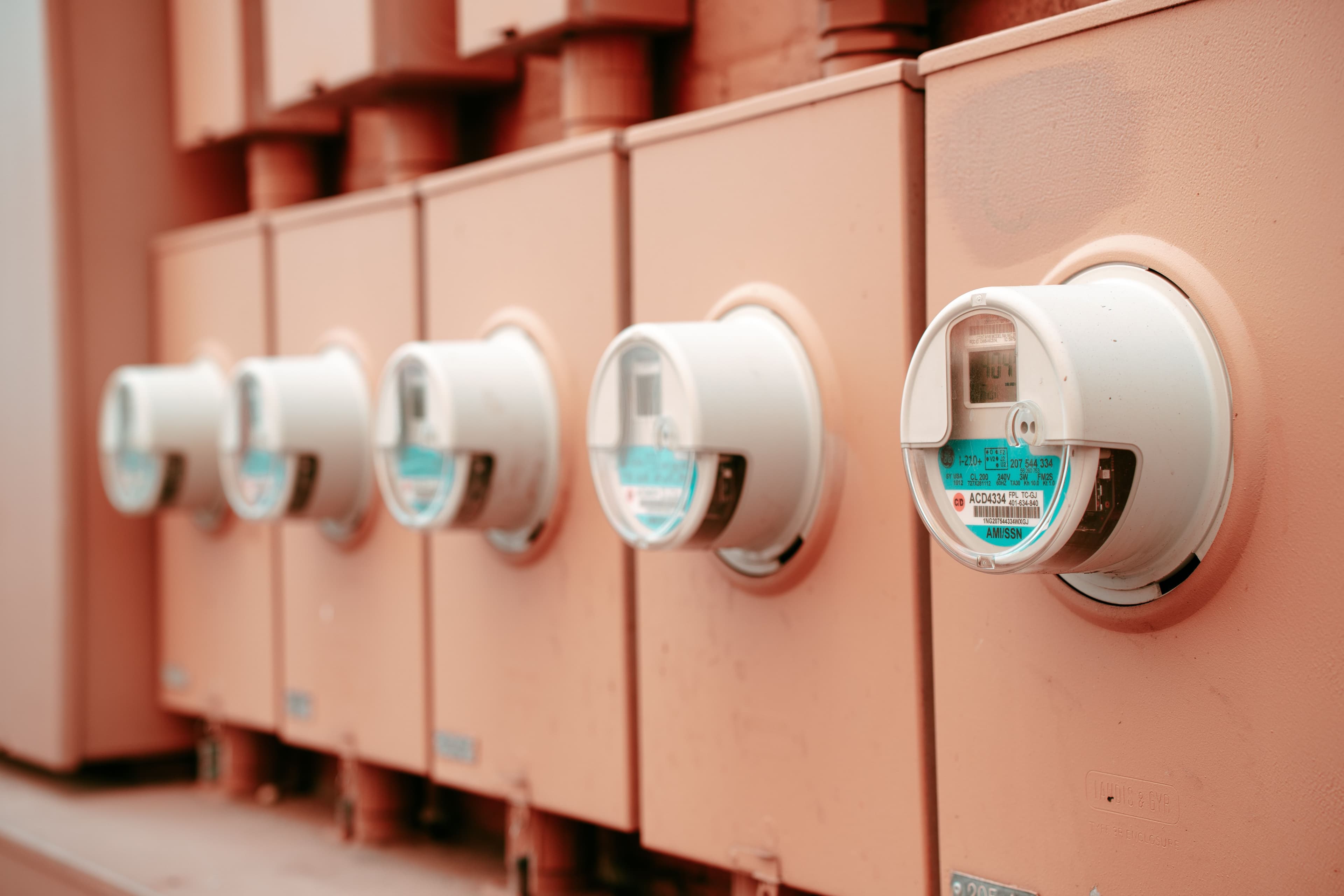
Tango Energy is a stripped-back electricity retailer that sells itself on simpler plans, fewer extras and online-first account management. For households comparing power offers, that can be attractive, but it also means you need to look closely at fees, solar settings, billing options and the real annual cost for your address.
Tango Energy does not lend itself to a one-line verdict for every home. The right comparison depends on your state, your distributor area, whether you need solar export value, and whether you are happy with a retailer that leans more on online service than feature-heavy extras.
Quick answer: should you compare Tango Energy electricity plans?
Yes. Tango Energy is worth comparing if you want straightforward electricity offers with no lock-in contracts and online account management. Before switching, compare Tango's rates against the reference offer or default offer in your state, check distributor fees, review solar feed-in settings and confirm the ongoing cost for your exact address.
Tango Energy at a glance
Tango positions its electricity offers around simplicity rather than a large feature list.
- no lock-in contracts or exit fees on published plans;
- electricity availability across multiple eastern-market states;
- online account access and support by chat, email or phone during business hours;
- state-based fee schedules published publicly;
- a low-frills approach that focuses on rates rather than bundled perks.
This setup can work well for price-conscious households. It is less appealing if you want a polished app ecosystem or lots of built-in extras.
Where Tango Energy offers electricity
Finder's current Tango Energy review says the retailer sells electricity plans in New South Wales, Victoria, South Australia and Queensland. Tango's own public site and fees page also show state-based electricity fee information for those markets.
That matters because rates, distributor fees and comparison benchmarks differ by state. A plan that looks competitive in Victoria will not necessarily look as strong in South Australia or Queensland.
What stands out about Tango Energy plans
Tango's own homepage describes its offers as simple and stripped back. Finder also notes that some Tango offers provide fixed rates for 12 months, which can appeal to households trying to reduce price uncertainty.
There are a few practical points to focus on when you compare Tango Energy electricity plans:
- usage rates and daily supply charges for your distributor area;
- whether the offer is compared against the Default Market Offer or Victorian Default Offer where relevant;
- whether any sign-up credit depends on direct debit or eBilling conditions;
- paper bill fees and card payment fees where they apply;
- whether solar households are comfortable with Tango's current feed-in settings.
These are the details that change the real bill outcome far more than brand slogans do.
Fees can change the value picture quickly
Tango publishes a detailed fees and charges page that runs through reconnection, disconnection and other fees by state and distributor. It also lists paper bill fees and card payment fees in multiple markets.
That level of transparency is useful, but it also means customers should not compare only the advertised plan headline. Connection and move-related costs can be material, especially if you are changing address, reconnecting supply or need a special meter read.
For example, Tango's published 2025-26 fee schedule shows that electricity reconnection and disconnection charges vary significantly by distributor and state, and Queensland reconnection fees are noticeably higher than some southern-market examples. Those are not Tango-set network charges, but they still affect your total cost.
Solar households need to look carefully at Tango's feed-in treatment
Tango's solar feed-in tariff page says that from 1 July 2025 the general feed-in tariff under Tango's current electricity plans changed to 0.0 cents per kWh. That does not automatically make Tango unsuitable for every solar home, but it is a major comparison point.
If your household exports a meaningful amount of solar energy, you should compare the import rates and the export tariff together. A cheap usage rate can still be a poor fit if your exported energy earns little or nothing under the retailer's standard settings.
Support model and service expectations
Tango is not positioning itself as a premium support brand. Its public site and help centre point customers toward online account management, live chat, email and phone support during business hours.
That will suit some households perfectly well. Others may prefer a retailer with a stronger mobile app, broader support windows or more service layers. This is a judgement call, not a universal flaw.
How to compare Tango Energy properly
Use the same disciplined method you would use for any electricity retailer.
- Start with your exact address and distributor area.
- Compare Tango's offer against the relevant default or reference benchmark in your state.
- Check daily supply charges and usage rates, not just credits or promos.
- Add distributor fees if you are moving, reconnecting or disconnecting.
- Review paper bill fees, card fees and payment conditions.
- Check solar feed-in settings if your home exports electricity.
- Estimate annual cost rather than focusing on a single billing cycle.
If you want a practical next step, use the CompareUs electricity comparison hub, the electricity cost calculator and the solar feed-in tariff guide when you are checking whether a low-rate plan still works for a solar household.
Who Tango Energy may suit best
Tango may suit households that:
- want simple electricity plans without lock-in contracts;
- are comfortable managing the account online;
- care more about straightforward rates than extra perks;
- are comparing closely against the default offer in Victoria or the reference price elsewhere.
It may be a weaker fit for solar-heavy households if the feed-in treatment is not competitive enough for their export profile.
Common mistakes when comparing Tango Energy
The first mistake is looking only at a headline discount or sign-up credit without checking supply and usage charges. The second is ignoring distributor fees when planning a move. The third is choosing Tango for a solar home without closely reviewing the feed-in tariff settings.
How CompareUs can help next
If Tango Energy is on your shortlist, compare it side by side with other electricity retailers for the same state and usage profile. That gives you a cleaner answer than relying on general brand reviews alone.
Sources and methodology
This guide was prepared using Tango Energy's current public website, fees and charges schedule, FAQs and help-centre material, along with current Finder review coverage for market context. It is intended as a consumer comparison guide, not a promise that any rate, credit, fee or feed-in tariff will remain unchanged.
Where should you go next?
FAQs
Is Tango Energy a good electricity provider?
Tango Energy can be a good fit for households that want simple, no-lock-in electricity plans and are comfortable with online account management. Whether it is the best fit depends on your state, fees, solar setup and usage profile.
Does Tango Energy have lock-in contracts?
Tango says its plans do not have lock-in contracts or exit fees, so you can usually change plans without a contract penalty. You should still review the current terms for your specific offer.
Which states does Tango Energy supply electricity in?
Current public sources indicate Tango Energy supplies electricity in Victoria, New South Wales, South Australia and Queensland.
Does Tango Energy charge paper bill fees?
In some states, Tango's published fees page lists a paper bill fee, with some exemptions. Always check the current fees schedule for your state and contract type.
Is Tango Energy good for solar households?
That depends on your import rates and export profile. Tango's current solar page says the general feed-in tariff under its current electricity plans changed to 0.0 cents per kWh from 1 July 2025, so solar customers need to compare carefully.
How should I compare Tango Energy with other retailers?
Compare the same address, same state benchmark, daily supply charge, usage rates, solar terms and applicable fees. Estimating annual cost is more useful than comparing only a promo or sign-up credit.