
Construction loan progress payments: what happens when the builder invoices?
Follow a construction drawdown from builder invoice to lender payment. Check stage evidence, your cash contribution, variations and the final handover account.
CompareUs Editorial TeamHome loan guides
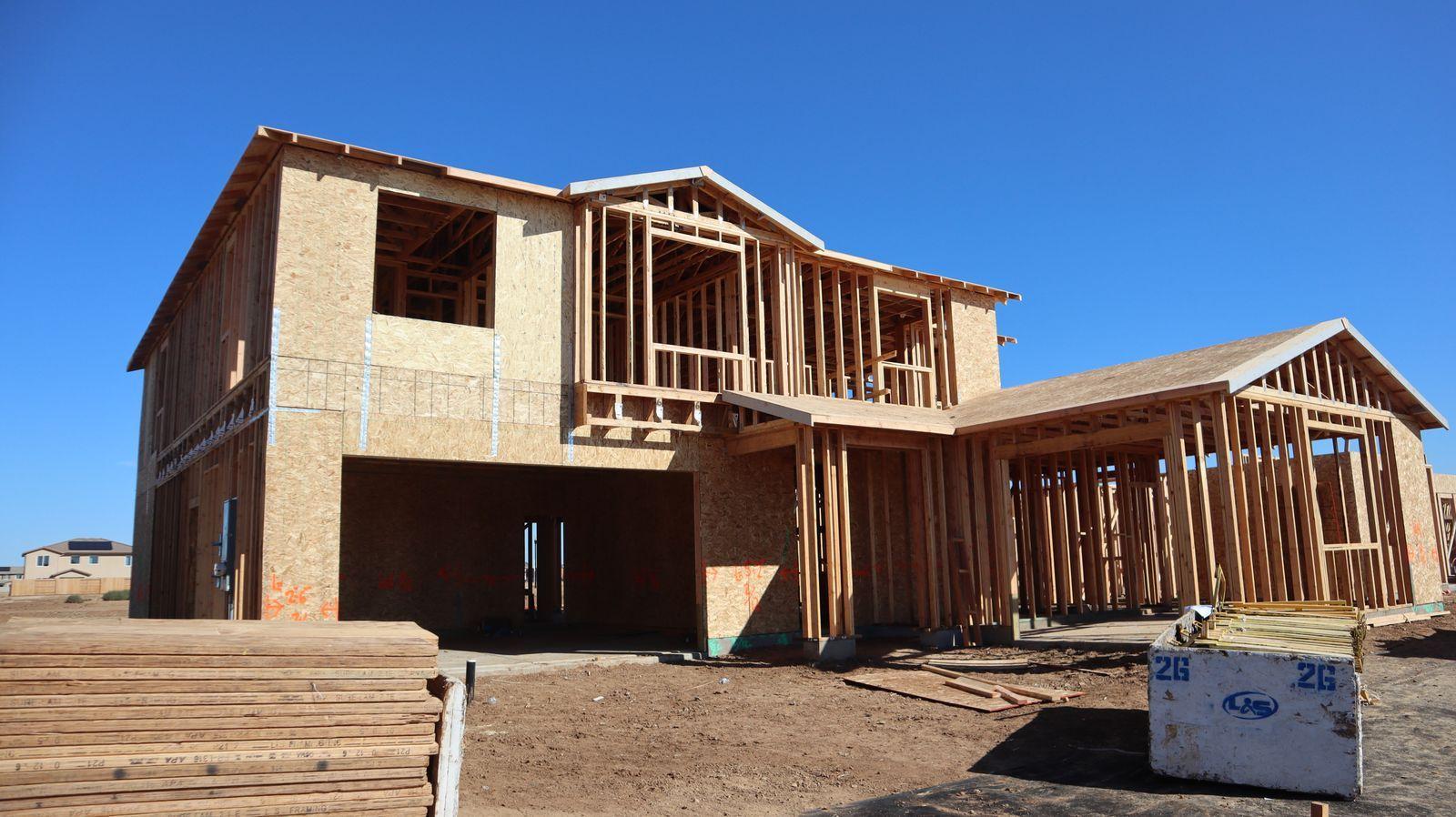
The builder emails a frame-stage invoice on Thursday and expects payment next week. Your construction loan has already been approved, but there is no matching amount sitting in your transaction account. Who pays the invoice, what does the lender need from you and what if the frame is unfinished? The answers sit in two sets of documents: your building contract and your lender's conditions for releasing funds. Read them together before the first claim arrives.
How do construction progress payments work?
Construction loan funds are generally released in stages after eligible work is assessed against the building contract. Each claim can require documents and an inspection, so compare the builder’s payment schedule with the lender’s release process.
Match the payment schedule to the contract price
Find the signed building contract, specifications, plans and payment schedule. Identify the deposit, the amount for each stage and the final amount at completion. Common names include slab or base, frame, lock-up, fixing or fit-out, and completion. The same label can refer to different work in different contracts. Use the definition and applicable building rules for your project instead of relying on a generic percentage chart.
Ask the lender when it expects your money to go in and what proof it needs. Some arrangements require the owner's contribution before the lender starts releasing construction funds. Others may specify a different sequence. Receipts should identify the amount, date, recipient and what the payment covers. A transfer out of a savings account may be evidence you paid money, but it may not show that the builder applied it to this contract.
Before the builder starts, confirm the approval conditions
A loan assessment can rely on an estimated value of the property when completed. Ask what documents the lender's valuer used and whether the final signed plans match them. If the valuation assumes a driveway or landscaping that has been left outside the contract, ask who will fund and complete it. Work paid separately still needs money even when it never appears as a formal stage invoice.
Confirm the lender has any required building approvals, builder details, insurance evidence and signed contracts. Ask when construction must commence and finish under the loan, and when approvals or valuations expire. A delay obtaining council approvals or changing builders can affect finance even though you have not drawn a dollar for construction. Get any required lender consent before assuming a revised timetable is covered.
Check the milestone before authorising payment
When an invoice arrives, compare its stage, amount, address and contract reference with the schedule. Ask the builder how the completed work satisfies that milestone. Review the documentation and seek independent building advice if you are unsure about the physical work. Arrange access through the builder rather than entering an active site without permission. A photo of one completed wall is useful context but may not establish that every requirement of a stage is met.
A lender may inspect the property or obtain a valuation for its own lending purposes. Its assessment helps the lender decide whether to release funds against its security. It is not a substitute for an independent construction inspection, legal advice about your contract or a certification that the home is defect-free. If your building consultant identifies a concern, give the builder the evidence and follow the contract process for raising it.
Do not ignore an invoice because you believe it is early or incorrect. Note the due date, ask for an itemised explanation and promptly seek local building or legal advice about any required notice. Ask the lender what happens to a drawdown request while an amount is disputed. Simply withholding payment or approving it on the understanding that everything will be corrected later can have consequences under the building contract.
Submit one complete drawdown request
Ask the lender which channel it accepts and who must sign. Where two borrowers are on the loan, find out whether both must authorise every stage. Include the builder's invoice, correct stage amount, evidence of any owner contribution and any requested inspection or approval document. Confirm receipt and the expected processing time. Forwarding an invoice to your broker may not start the lender's processing clock until its required authority is lodged.
If bank details on an invoice have changed, verify them through a known contact method independently of the email containing the change. Ask how the lender verifies the payee and whether it will pay the builder or reimburse a payment you have already made. Paying an invoice yourself to avoid a delay can create a cash problem if the facility permits only direct payments or requires advance approval for reimbursement.
Track each stage with three dates: builder invoice, signed request and cleared payment. Record any missing evidence or inspection delay. If a payment deadline is approaching, contact the builder and lender early and obtain any agreed change in writing. Lender processing and building contract deadlines are separate. A lender saying it needs another valuation is not, on its own, an agreement from the builder to extend the due date.
General information only, not financial, legal, medical or electrical advice.
CompareUs may receive referral fees. How we get paid.
Understand interest as more of the loan is drawn
A household paying interest only during construction is still borrowing the full progress payment when it is advanced. At completion the facility may convert to principal-and-interest payments under its terms. Ask for the estimated repayment on the final balance over the remaining term and the date it begins. The first few small interest deductions are a poor guide to the long-term budget once construction is complete.
Build a delay scenario on top of the planned schedule. If work stops after a large drawdown, the outstanding amount may continue attracting interest while the family still pays rent. Include storage, temporary accommodation and any change to insurance dates. A contingency reserved only for larger material costs may already be needed for an extra two months of living expenses before the handover keys are available.
Treat variations as changes to the funding plan
Ask the builder to document the description, cost and timetable effect of a variation before agreeing to it. Then ask the lender whether it requires approval and whether funds are available for that change. A builder willing to add the price to a later invoice cannot increase your loan limit. An apparently modest kitchen upgrade can leave the last claim short if the original approval already used all available funds.
| Original work remaining | Undrawn facility | Variation | Revised work remaining | Potential gap |
|---|---|---|---|---|
| $180,000 | $180,000 | +$12,000 | $192,000 | $12,000 |
Ask about variations that reduce cost too. A credit for deleted work may alter the stage invoice or appear at final reconciliation. Keep written credits beside additions so that the lender and builder work from the same revised price. If you replace an included item with one purchased directly, record the builder's credit, your supplier invoice and any approval needed. A cheaper retail item can still cost more overall if installation and delivery were excluded.
Prepare the final claim before the moving truck arrives
Check the building contract's handover requirements separately. Identify defects or incomplete items through the relevant inspection and notice process. Ask your adviser how they affect the amount or timing of payment. The lender's approval to fund a final invoice, practical completion under the contract, permission to occupy and receiving keys can be different events. Avoid booking an irreversible move on the assumption they will all happen on the same afternoon.
Reconcile the original contract, deposit, approved variations, credits, private contributions and all lender payments. Ask the builder for a final statement showing how the amount due was calculated. Ask the lender what happens to unused credit, whether a construction fee ends and when the ongoing home loan starts. A small undrawn balance is not automatically cash available to spend on furniture. Its treatment depends on the facility.
If two claims arrive close together after a weather delay, keep their evidence separate. The builder may complete a later stage quickly once materials arrive, but the lender might still be checking the previous stage. Ask whether both can be assessed together and how it wants the amounts documented. One combined transfer should still be traceable to the correct individual invoices in the final project account.
After handover, keep the payment schedule, inspection reports, signed authorities, approvals, warranties and final account in one project file. If a defect or billing question arises months later, the documents show which work was approved, who paid and when. More immediately, use the actual final loan balance and first repayment date to update the household budget. That closes the financial side of construction, which can continue well after the builder packs up the site.
Questions to ask
- Does the lender recognise each builder stage?
- Which documents and inspections are needed before payment?
- Are variations approved before the builder charges for them?
- How much owner cash remains for costs outside the facility?
ASIC Moneysmart explains home-loan costs and features.
NSW Government explains building progress payments.
Where should you go next?
FAQs
Does a construction lender pay the whole building contract upfront?
Construction funding is usually released progressively against the agreed stages and lender requirements. Check who receives each payment.
Is a lender inspection the same as an independent building inspection?
The lender checks its lending position. Engage appropriately qualified advisers for workmanship, defects or contract issues.
Who pays if the builder increases the contract price?
Ask whether the variation is valid and approved, and whether additional finance is available. The original loan limit does not rise automatically.
Can I pay the builder myself and claim it back later?
Check the lender’s written requirements first. Reimbursement may require prior approval or may not be available for that stage.
Why is my final repayment higher than during construction?
More funds may have been drawn and the facility may switch from interest-only payments to principal and interest. Confirm the final balance, rate and remaining term.