
Controlled Load Explained
A plain-English guide to controlled load, dedicated circuits and why they matter when comparing electricity plans in Australia.
Sancia PereiraEnergy Markets Analyst
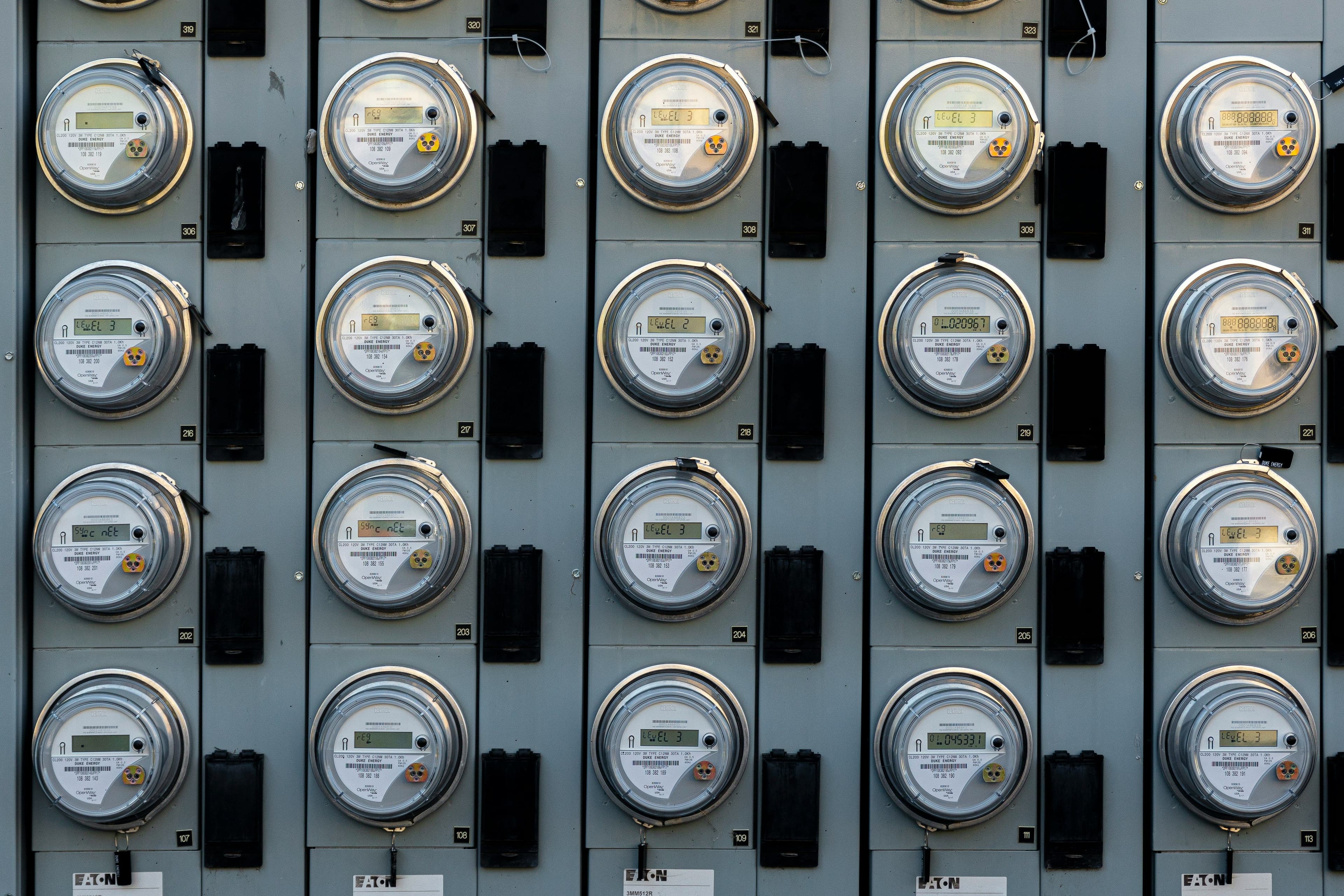
Controlled load is one of the easiest ways to misread an electricity plan if you do not know it is there. Energy Made Easy explains that controlled load usually applies to specific appliances such as electric hot water, slab heating or underfloor heating, and that it may also appear on the bill as a dedicated circuit.
What controlled load means
Controlled load is not your whole-home tariff. It is a separate arrangement for nominated appliances that are often run in off-peak periods. Because the appliance is supplied differently, the controlled-load rate can be lower than the main general-usage rate.
Which appliances use it?
Common examples include:
- electric hot water systems;
- slab or underfloor heating;
- some other separately metered appliances.
In Queensland it may be labelled Tariff 31 or Tariff 33. In Tasmania, Energy Made Easy notes that related naming can include Tariff 41.
How it affects your bill
Controlled load matters because your electricity bill can have more than one relevant usage rate. If you compare only the main general-usage tariff and forget the controlled-load line, you may choose the wrong plan.
How to compare controlled-load plans
- Confirm from your bill whether you have controlled load or a dedicated circuit.
- Compare the controlled-load rate separately from your general-usage rate.
- Check whether the new provider supports the same setup.
- Compare the total bill impact, not one line item in isolation.
If your home also uses gas, controlled load can influence the bigger decision about which appliances stay electric and which household costs sit on the gas bill. That is why it helps to return to our main guide on comparing electricity and gas plans when both fuels are in play.
Where should you go next?
FAQs
What is controlled load on an electricity bill?
It is electricity supplied to certain appliances on a separate or dedicated circuit, often at a lower off-peak rate.
Does controlled load apply to the whole house?
Usually no. It generally applies only to specific appliances such as electric hot water or some heating systems.
Why is controlled load important when comparing plans?
Because a provider can look competitive on general usage but weaker once the controlled-load rate is included.
Can controlled load appear under another name?
Yes. It may also appear as a dedicated circuit, and some states use tariff-number labels.
Should I compare controlled load together with gas decisions?
Yes, if your household is weighing electric versus gas appliances or comparing the full household energy cost.