
Ethernet vs Wi-Fi: Which Is Faster?
A simple comparison of wired and wireless home internet performance.
CompareUs Editorial TeamConsumer utilities editorial team
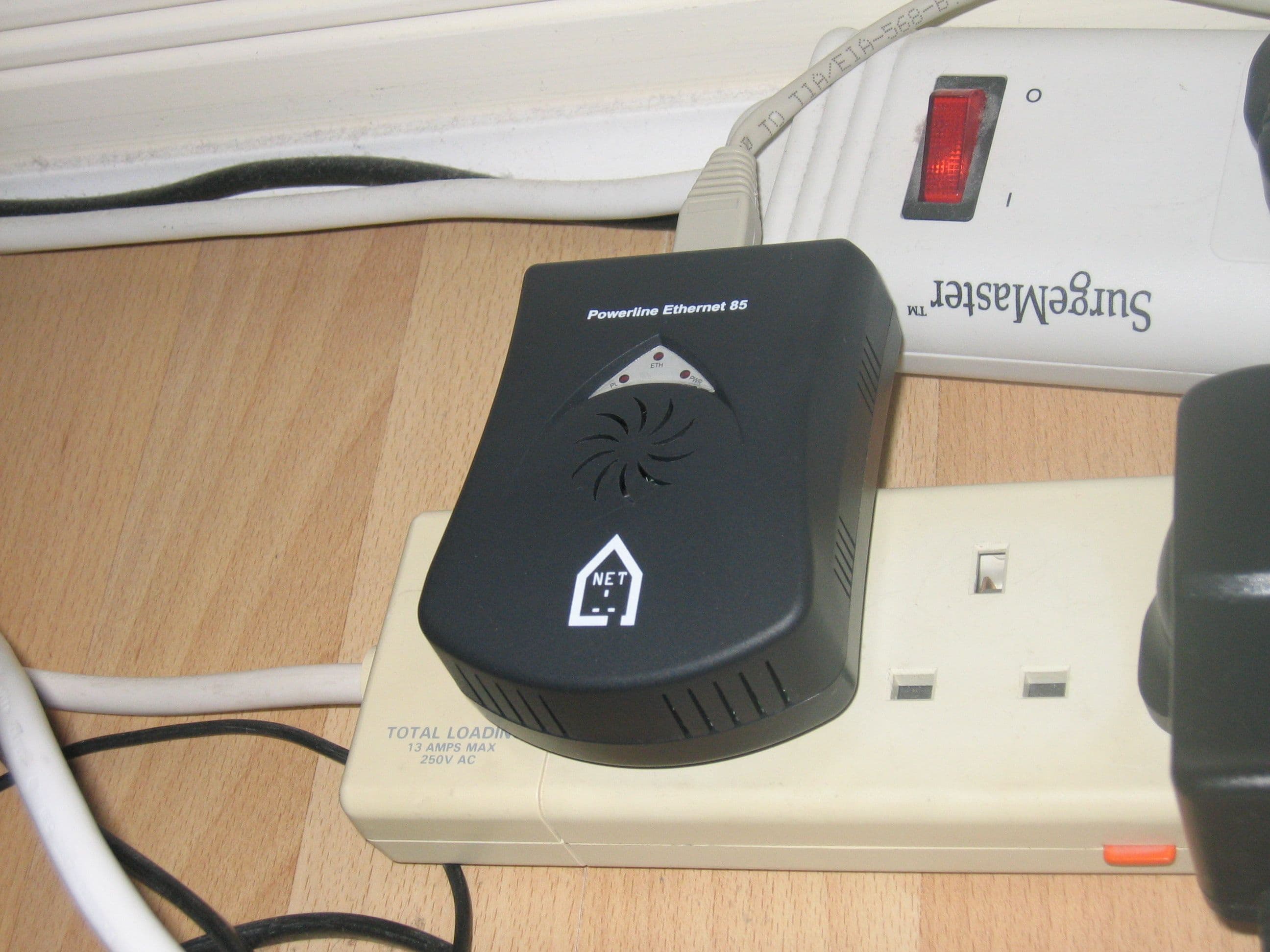
Why Ethernet wins
Ethernet avoids most wireless interference, so it usually gives lower latency and more stable throughput.
When Wi-Fi is enough
Wi-Fi is fine for browsing, streaming and everyday mobile use when the router is placed well and the network is not crowded.
What to choose for gaming and calls
Use Ethernet when you can. If you must use Wi-Fi, keep the device close to the router or use mesh coverage.
Where Wi-Fi convenience still makes sense
Wi-Fi remains the right answer for phones, tablets, smart-home devices and any device that moves around the house. In many homes, wiring every device would create cost and clutter without delivering a meaningful practical benefit. The smarter approach is usually selective: wire the devices that need consistency most, then optimise Wi-Fi for the rest of the household.
When one cable solves more than a plan upgrade
A single Ethernet run to a desk, gaming setup or main TV can remove a lot of frustration at relatively low cost. If the main complaint comes from one fixed device, that cable can be a more rational fix than paying more every month for a bigger broadband tier that still has to travel across the same unstable wireless path. This is why a wired comparison is so useful before making a provider or plan decision.
Next step
If Wi-Fi is the weak link, use the how to improve Wi-Fi speed guide. If the whole connection is poor, compare plans.
Ethernet vs Wi-Fi: which is actually faster in daily use?
Ethernet versus Wi-Fi is not just a theoretical debate. It changes how reliable gaming feels, how stable work calls are and how trustworthy a speed test result becomes. Ethernet is usually the cleaner and more predictable option, but Wi-Fi remains the normal way most devices connect around the home. The useful question is not whether Wi-Fi should disappear. It is when wireless is good enough and when a wired connection provides a practical advantage worth acting on.
Why this matters for Australian households
This matters because many broadband complaints are really complaints about how the home distributes the connection rather than about the internet plan itself. A service can look excellent on Ethernet but disappointing on Wi-Fi if the router is poorly placed or the environment is crowded. At the same time, many homes do not need every device wired. Australian households need a practical framework: which tasks benefit most from Ethernet, which tasks usually work fine on Wi-Fi, and how to tell when wireless convenience is becoming a real performance compromise.
A practical way to assess it at home
The practical test is simple. Compare the same device on Ethernet and Wi-Fi in the same location, then compare Wi-Fi again in the room where the problem is actually felt. That reveals how much of the performance gap comes from the wireless layer. If the wired result is much cleaner, you know the service itself has more potential than the Wi-Fi experience suggests. If both are weak, the plan or provider side may be more relevant than the choice between cable and wireless.
What a good result usually looks like
A good Ethernet result is usually defined by consistency as much as by speed. Lower latency, steadier throughput and fewer random dips are the normal advantages. A good Wi-Fi result is one that remains reliable enough for the actual task in the room where it is used. For browsing and casual streaming, Wi-Fi may be perfectly fine. For gaming, long work calls, big uploads or performance-sensitive testing, Ethernet often provides a more dependable baseline and a more predictable experience.
Household examples and trade-offs
A desktop gamer in one room benefits much more from Ethernet than a smartphone user moving around the house. A work-from-home setup with frequent meetings and uploads also gains a lot from a wired connection if the desk is stationary. By contrast, a tablet used on the couch, phones used throughout the day and lightweight browsing devices are naturally better suited to Wi-Fi. A family may end up with a mixed setup where the most performance-sensitive devices are wired and everything else stays wireless.
How device choice and connection type change the result
Ethernet avoids many of the problems Wi-Fi has to navigate: walls, neighbouring networks, device movement and radio interference. That is why it usually delivers lower latency and steadier results. Wi-Fi trades some of that predictability for flexibility and convenience. Modern Wi-Fi can still perform very well, but it requires better placement and a cleaner environment to match the feel of a cable. The decision is therefore less about ideology and more about where stability matters enough to justify a wire.
Peak-hour versus off-peak behaviour
Load conditions make the distinction even clearer. In a quiet house, Wi-Fi may look almost identical to Ethernet in the same room. Under busy conditions, wireless can become less stable because more devices contend for airtime and weak signal areas become more noticeable. If the household experiences evening slowdowns, comparing wired and wireless results during those periods helps show whether the friction is due to the wider service or the way the local network handles pressure.
Common mistakes to avoid
A common mistake is assuming Wi-Fi and Ethernet should perform identically in every part of the home. Another is blaming the provider for a wireless-only issue without ever running a wired comparison. People also buy bigger plans when a cable to the desk or TV would solve the real problem more cheaply. On the other side, some readers assume Ethernet is the only serious option, even when a good Wi-Fi setup is perfectly adequate for their actual usage. The better approach is to match the connection method to the task.
When the internet plan is the real problem
The plan is likely the issue when even Ethernet feels constrained during normal use. In that case, changing the connection method alone will not create missing headroom. A stronger tier or better-fit provider may be the right next move if the wired baseline already shows the home has simply outgrown its current service. Ethernet helps prove that point because it strips away many of the local variables.
When the home network is the real problem
The home network is the issue when Ethernet looks good and Wi-Fi does not, especially when the drop is worse in certain rooms or on certain devices. That points toward coverage, interference, hardware quality or router placement. In that case, improving Wi-Fi or wiring a few key devices is likely to create a bigger improvement than moving to a different provider without changing anything inside the home.
Questions worth asking your provider
If you contact the provider, tell them whether the issue appears on Ethernet as well as on Wi-Fi. That instantly changes the quality of the diagnosis. If Ethernet is clean, the conversation should focus less on faults and more on equipment, placement or in-home networking. If Ethernet is also poor, ask about the technology type, local issues and whether the plan is a good fit for the current usage profile.
Next steps with CompareUs
Use the NBN speed calculator to compare wired and wireless performance, the how to improve Wi-Fi speed guide when Wi-Fi is the weak point, and compare internet plans only after you confirm the line itself is the real limitation rather than the way the home distributes it.
A decision checklist before you spend more money
Before you upgrade a plan, change provider or replace hardware, make sure the evidence points in the right direction. Check whether the issue is repeatable, whether it appears on Ethernet as well as Wi-Fi, whether it is worst at certain times of day, and whether the complaint is really about speed, latency, stability or coverage. A surprising amount of wasted broadband spend comes from acting on a feeling rather than on a pattern. If the same issue appears across several clean tests and aligns with the household's real usage pressure, the decision to spend more is much easier to justify. If the pattern is mixed, the smarter move is often to keep testing and narrow the problem further before committing to a bigger monthly bill or a new piece of hardware.
How to record results and compare them over time
The easiest way to get clearer answers is to keep simple notes. Write down the date, time, room, device, whether the test was wired or wireless, and what else was happening in the house. You do not need a complex spreadsheet. Even a short list of repeated conditions will help you see whether the issue is tied to one room, one device, one time of day or one type of activity. This matters because broadband frustration is often intermittent. A pattern recorded over several tests is far more useful than one screenshot from a bad moment. It also gives you something concrete to use if you speak to the provider or if you compare alternative plans and want to judge whether the switch actually improved the experience.
Why a short test is not always enough
A short benchmark can be a useful starting point, but it cannot capture every type of broadband problem. Some issues only appear after longer sessions, when the router heats up, when the household becomes busy, or when repeated uploads start to compete with other traffic. That is why the strongest diagnosis combines benchmark results with lived experience. If video calls fail after twenty minutes, if gaming gets worse every evening, or if one room always struggles more than another, those real-world patterns are just as important as the speed number itself. The best internet decisions come from combining short-form measurements with practical observation, not from relying on a single metric taken once under ideal conditions.
How this topic affects switching decisions
Many readers only start researching broadband performance deeply when they are deciding whether to switch providers or upgrade plans. That makes it important to connect the technical issue back to a buying decision. If the problem is mostly local Wi-Fi, changing provider may not deliver the improvement you expect. If the problem is a clear mismatch between the household's demand and the tier you pay for, staying on the same setup may simply preserve the frustration. The useful outcome from a guide like this is not just understanding the issue. It is knowing whether the next move should be better testing, better hardware, a better tier, or a different provider altogether. Once you frame the decision that way, the comparison process becomes much more rational.
A practical summary before you act
Before acting, make sure you can answer five plain-language questions. What exactly feels wrong: speed, lag, buffering, instability or weak coverage? Does the issue also appear on Ethernet, or only on Wi-Fi? Is it constant, or mostly tied to a certain time of day? Does it affect every device, or mainly one room or one piece of hardware? Has the household's usage changed since the current plan was chosen? Those answers will usually point you toward the right fix faster than another random test or another generic article. That is why the strongest broadband decisions come from combining a clean measurement method with a realistic understanding of how the home actually uses the connection.
Where should you go next?
FAQs
Is Ethernet faster than Wi-Fi?
Usually yes. Ethernet is generally more stable and less affected by interference than Wi-Fi.
Should I use Ethernet for gaming?
Yes, if you can. Ethernet usually gives lower latency and less jitter than Wi-Fi.
When is Wi-Fi good enough?
Wi-Fi is good enough for browsing, streaming and casual device use when the router coverage is strong and interference is low.