
Fixed Wireless NBN Plans and Speeds Explained
A regional household guide to Fixed Wireless NBN speed tiers, antennas, busy-period performance, installation and plan comparison.
CompareUs Editorial TeamConsumer utilities editorial team
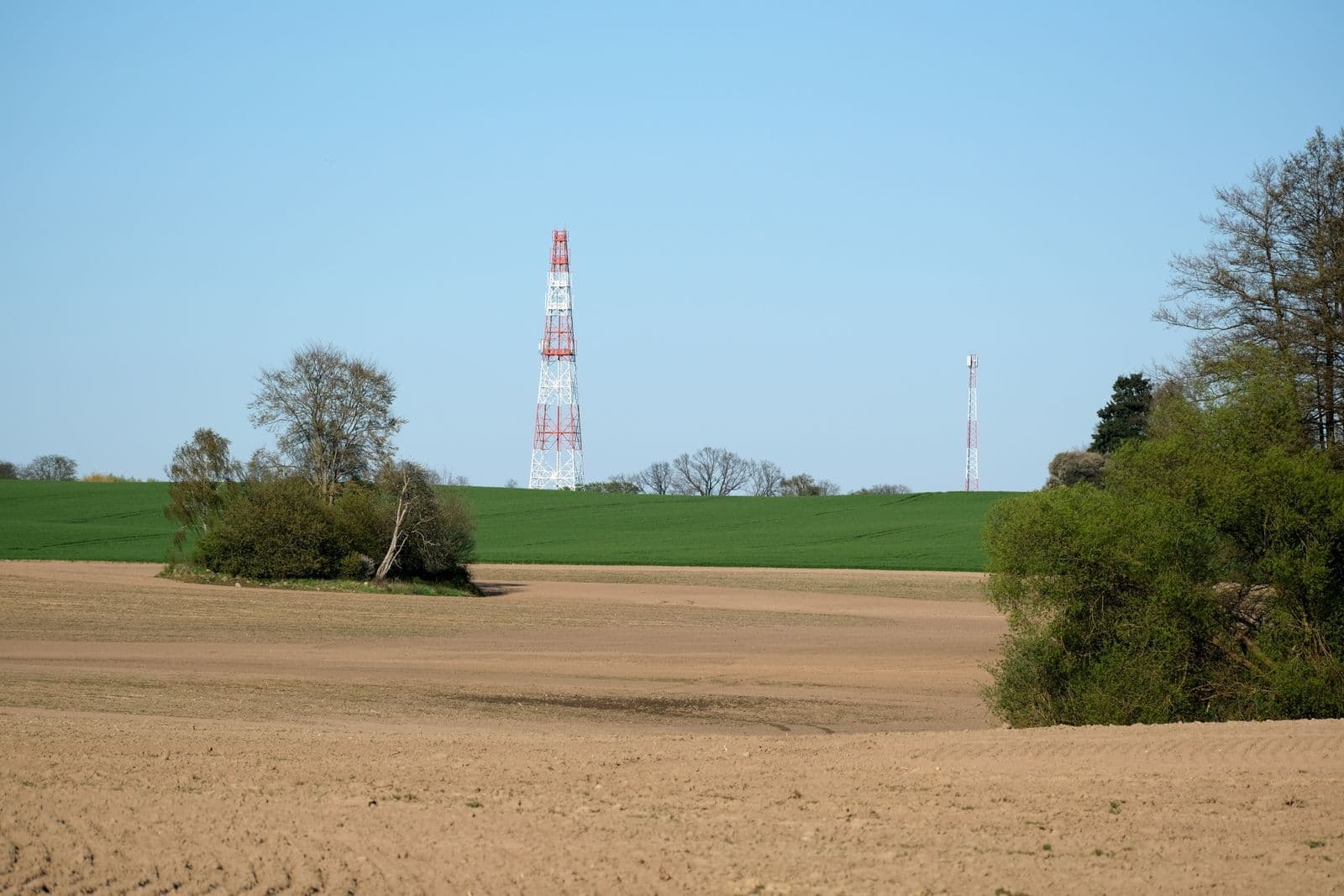
Fixed Wireless NBN plans have changed substantially as NBN Co has added capacity, expanded coverage and introduced faster wholesale products. That is welcome news for regional households, but it also makes comparison harder. A tier name or maximum speed does not tell you what a particular home will receive during the evening peak.
Fixed Wireless uses radio signals between an NBN tower and an outdoor antenna at the premises. Terrain, vegetation, antenna alignment, tower load, weather, provider capacity and the home Wi-Fi setup can all affect the result. A useful plan comparison therefore starts with the address and expected busy-period range, then moves to price and features.
Quick answer: Fixed Wireless NBN plans
Fixed Wireless NBN can now offer much faster tiers in upgraded areas, but performance remains address- and cell-dependent. Compare the provider's busy-period range, upload speed, local eligibility, modem and installation terms, not just the wholesale maximum. Test over Ethernet after activation and report persistent underperformance to the provider.
Key takeaways
- Fixed Wireless is an NBN access technology, not ordinary mobile home internet.
- Eligibility and available tiers depend on the individual address and upgraded network coverage.
- Busy-period ranges are more useful than a single headline maximum.
- The outdoor antenna and NBN connection box remain with the property.
- Home Wi-Fi can still be the bottleneck even when the radio link is healthy.
Fixed Wireless NBN plans: side-by-side comparison
The table is a decision aid, not a substitute for an address check or current plan document. Read across the factors that match the household rather than choosing from the first row that looks favourable.
How Fixed Wireless NBN works
Fibre carries traffic to a regional base station, which sends a radio signal to an outdoor antenna installed at the property. Inside, an NBN connection box hands the service to the household router. Unlike phone-based 4G or 5G home internet, this is a dedicated NBN access network with NBN-specific equipment and retail providers.
The antenna needs a workable path to the serving tower. Hills, trees and structures can affect signal conditions, while each cell has finite capacity shared across connected premises. NBN's upgrade program increased the number of cells and introduced faster products, but retail availability and actual experience still vary by location.
Understanding Fixed Wireless speed claims
Maximum wholesale speeds describe the product ceiling, not a guaranteed household result. Providers should supply typical busy-period information so customers can see the range expected between 7pm and 11pm. Wireless ranges can be broad because radio conditions and network load vary more than on many fixed-line services.
Download speed matters for streaming and software updates, but upload speed becomes important for video calls, cloud backup, cameras and sending large files. Ask for both. A plan can feel quick when downloading while still becoming uncomfortable when two people turn cameras on for simultaneous meetings.
Installation, antenna placement and household equipment
A standard installation normally includes an outdoor antenna, connection box and required power supply. The installer chooses a location based on signal and safety, not just appearance. If trees later grow into the path or the antenna is damaged, contact the retail provider rather than adjusting NBN equipment yourself.
Connect a modern router to the NBN box and use Ethernet for demanding or fixed devices where practical. Thick walls, sheds and long farmhouses often need wired access points or a mesh system. Test at the connection box before blaming the radio link for weak Wi-Fi at the far end of the property.
Choosing a Fixed Wireless provider
Retailers can sell different tiers, support models and modem packages over the same NBN access link. Compare the expected evening range, upload speed, ongoing price, setup and delivery charges, modem conditions, support hours and what the provider does if the service performs below expectations.
The ACCC's final June 2026 broadband report provides useful industry context for wireless performance, but it is not a promise for an individual tower. Local evidence still matters. Ask neighbours which providers they use, test immediately after activation and keep dated results from different times of day.
How to compare options in the real world
A high-quality comparison moves from the address to the household and then to the contract. The following checks are deliberately practical: they are the questions that expose whether an attractive plan will still make sense after installation and after the first promotion has finished.
Exact address eligibility
Check which Fixed Wireless tiers the premises can order after local upgrades. Treat this as an eligibility gate: if the answer is uncertain, resolve it before using price as a tie-breaker. Save the address result or written provider response with the order.
Busy-period range
Prefer a provider that presents a clear range and explains how it may change. Give current, plan-specific evidence more weight than a single review or speed test from another household. Note the date because network performance and advertising can change.
Upload performance
Match the plan to video calls, remote work, cameras and backups. Translate the specification into a household job—such as a video call, backup or game session—so it is clear what a better result would improve in practice.
Property coverage
Budget for internal cabling, access points or mesh if the building is large or spread out. Include the equipment in the comparison rather than treating it as a free extra. Ownership, compatibility and return rules can change both performance and the cost of leaving.
Fault support
Check how the retailer records speed evidence and escalates antenna or cell issues to NBN. Put this figure into a twelve-month worksheet beside every shortlist option. That prevents an introductory offer or omitted fee from deciding the comparison by accident.
Test the service, not the marketing
Start with evidence from the exact address. Broadband products are delivered to premises, not suburbs in the abstract, and two homes on the same street can have different access technology, signal conditions or installed equipment. Save the address-check result and the plan document shown when you order; they provide a much stronger benchmark than a national maximum or a neighbour's experience.
Next separate the internet service from the network inside the home. A controlled Ethernet test shows what reaches the router, while a Wi-Fi test shows what reaches a particular room and device. Both results matter to the household, but they point to different fixes. Changing provider cannot repair a poorly placed access point, and buying a mesh kit cannot create wholesale capacity that is missing upstream.
Finally test at the time the connection matters. An evening streaming household, a daytime remote worker and a creator running overnight transfers can see different constraints. Keep several results rather than the most flattering or disappointing test. A useful comparison describes a pattern, not a screenshot chosen to prove a prior opinion.
Household examples
These examples show how the same market information can produce different answers. They are not recommendations for a particular provider; availability, prices and equipment must still be checked for the individual address.
Regional family home
Four people stream, study and work online in the evening. Shortlist Plus or faster eligible tiers using the provider's evening range and upload figure. A stronger router may be needed to cover the whole property. The sensible next step is to confirm the address and current terms, then test the result during the household's busiest period.
Home business
The connection supports cloud software, calls and daily file uploads. Prioritise upload performance, service support and a backup connection over the cheapest monthly fee. Residential plans generally do not carry business restoration commitments. Here, a stable connection and suitable home network are more valuable than the largest number printed on the plan card.
Light-use property
One or two people mainly email, browse and watch occasional HD video. An entry or Plus plan may be enough if the expected busy-period speed is suitable. Check whether a faster promotional tier becomes expensive after the discount. This decision should be reviewed after activation because equipment, signal conditions and actual household behaviour can overturn a paper comparison.
A practical sign-up checklist
- Qualify the exact address and note the access technology, available tiers and any installation work.
- Choose the household's required download, upload, latency and reliability before looking at provider promotions.
- Compare typical busy-period information and read the current Critical Information Summary for each shortlisted plan.
- Calculate twelve months of plan charges, setup, delivery and hardware, then record the normal ongoing price.
- Check router compatibility, port speeds, Wi-Fi coverage, voice requirements and equipment return conditions.
- Read the fault, complaint, cancellation and switching process before the service is under pressure.
- Keep the existing connection until the replacement is active and tested when continuity is important.
This process may feel slower than clicking the first discount, but it usually takes less time than disputing a surprise modem charge or diagnosing a plan that was never suitable. A comparison is complete only when speed, support, equipment and exit terms have all been considered.
Common mistakes to avoid
- Assuming the maximum wholesale speed is the speed every evening.
- Choosing a tier before confirming it is available at the exact address.
- Testing only over weak Wi-Fi and reporting the result as an NBN fault.
- Moving or modifying the outdoor antenna without the provider and NBN.
- Ignoring upload speed and backup needs for a home business.
Most of these mistakes come from comparing one visible number while leaving the harder details unexamined. The remedy is simple: use the same address, tier, time period and household workload for every option, and give written plan documents more weight than sales shorthand.
Compare internet plans with CompareUs
Use the CompareUs internet comparison to review suitable plans, then check the internet provider directory and the NBN speed calculator. The internet value calculator can help turn promotions, hardware and ongoing charges into a fair cost comparison. For technology and address context, use the NBN availability calculator.
Plan availability, prices and performance claims can change. Confirm the current offer with the provider before ordering, keep the Critical Information Summary and schedule a review when any discount expires. CompareUs provides general information and does not assume one provider or technology is best for every household.
Sources and methodology
This guide prioritises Australian regulators, network operators, current provider documents and other first-party technical sources. Provider pages were used for product conditions, not as independent proof that one provider is superior. Sources were checked for this August 2026 publication batch.
- NBN Fixed Wireless and Satellite Upgrade Program — Official upgrade and product context.
- NBN FY26 service improvement plan — Network-capacity and higher-tier program details.
- ACCC final broadband performance data — Independent fixed-line and wireless performance context.
- Telstra NBN speeds explained — Retail example of Fixed Wireless busy-period ranges.
- ACMA choosing an NBN plan — Required plan information and equipment guidance.
Where should you go next?
FAQs
Is Fixed Wireless NBN the same as 5G home internet?
No. Fixed Wireless NBN uses NBN's regional radio network and NBN-installed antenna and connection box. 5G home internet uses a mobile carrier's network and provider modem.
How fast is Fixed Wireless NBN?
Available wholesale tiers now extend from entry products to much faster Home Fast and Superfast options in eligible upgraded areas. Actual speed varies by address, signal, cell demand, provider and home equipment.
Can weather affect Fixed Wireless NBN?
Severe weather and environmental conditions can affect wireless links, although everyday variation is also influenced by signal quality, obstructions, tower capacity and household equipment.
Can I install my own Fixed Wireless antenna?
No. The outdoor antenna and NBN connection equipment are part of the NBN network and should be installed or serviced through NBN and your retail provider.
Why is my Fixed Wireless service slower at night?
Evening demand can increase on the serving cell and provider network. Test over Ethernet at several times, then give the provider dated results if the pattern persists.
Can I change Fixed Wireless providers?
Yes, where multiple retailers service the address. Compare tier availability, busy-period expectations, modem terms, support and ongoing cost before switching.