
Gas Heater Safety: Carbon Monoxide and Warning Signs
A calm, safety-first guide to gas-heater servicing, ventilation and carbon monoxide warning signs.
CompareUs Editorial TeamConsumer utilities editorial team
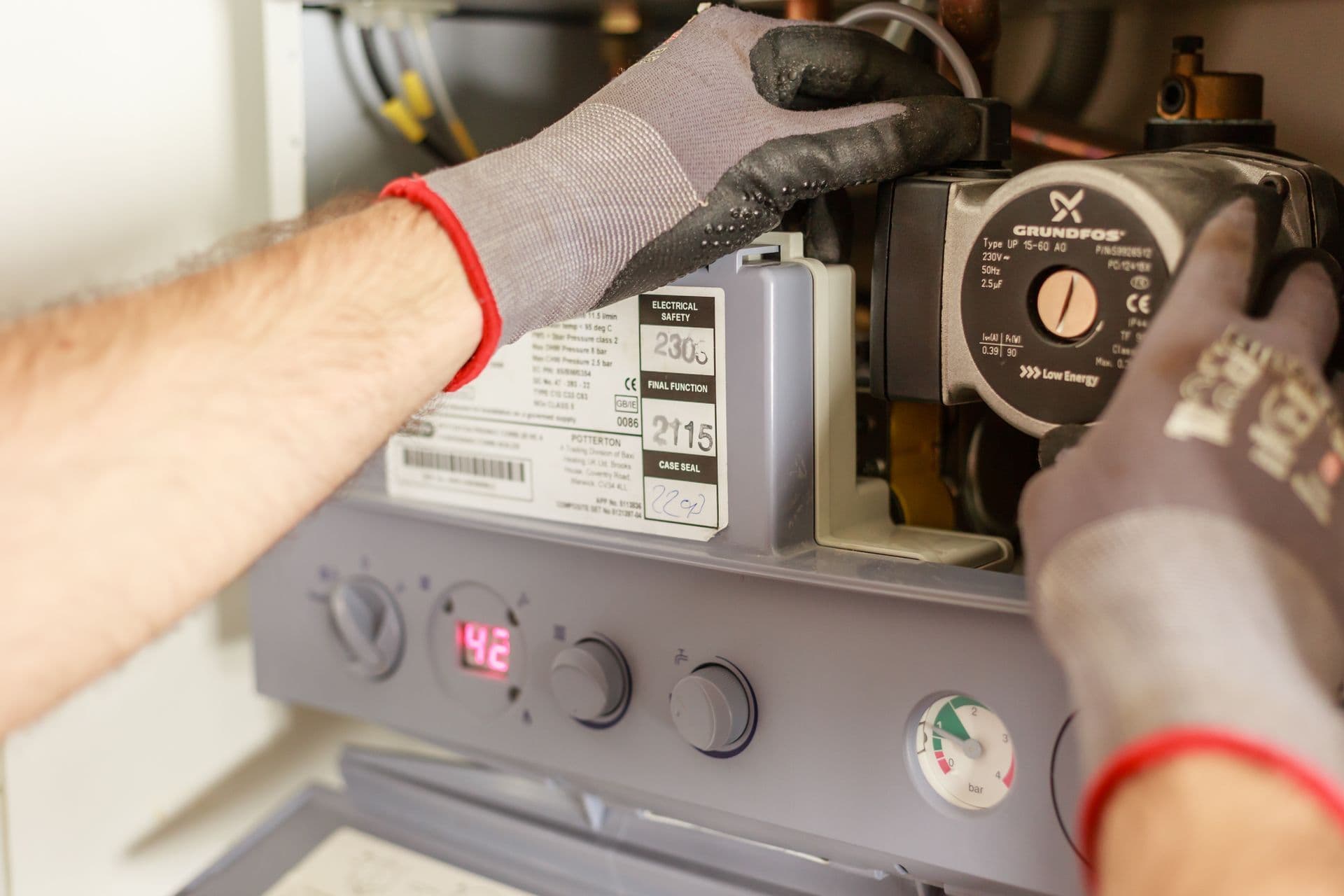
Gas heater safety Australia advice matters because carbon monoxide cannot be seen or smelled. A heater can look normal while a fault, blocked flue or poor ventilation creates a serious risk. Symptoms can resemble winter illness, so patterns—several people or pets becoming unwell at home—deserve attention.
This guide follows current government and Energy Safe Victoria advice. It is not a repair manual. Gas appliances should be serviced and tested by appropriately qualified gasfitters, and suspected carbon monoxide exposure requires fresh air and urgent medical or emergency advice.
Quick answer
Have gas heaters serviced by a qualified gasfitter at least every two years, keep required ventilation clear and never use outdoor gas appliances or a cooker to heat a room. If people or pets develop headaches, dizziness, nausea or unusual illness at home, leave for fresh air, turn appliances off if safe and seek urgent medical help.
Key takeaways
- Carbon monoxide is colourless and odourless.
- Any gas heater can become unsafe if faulty or poorly ventilated.
- Servicing by a qualified gasfitter is essential.
- CO alarms are a backup, not a substitute for maintenance.
- Renters should report faults and use urgent-repair pathways.
Gas heater safety Australia: the non-negotiables
Energy Safe Victoria recommends servicing gas heaters at least every two years by a qualified gasfitter. The check should cover the appliance, installation and carbon-monoxide spillage risk. Ask whether the practitioner is qualified for the appliance service required.
Use the heater only as intended. Never bring a patio heater, barbecue or other outdoor appliance inside, and never use a cooktop or oven as a room heater. Keep combustible items clear and follow the manufacturer's operating instructions.
Carbon monoxide warning signs
Possible symptoms include headache, dizziness, nausea, tiredness, weakness, confusion, shortness of breath or chest pain. A notable pattern is several occupants or pets becoming unwell together, symptoms appearing mainly at home, or improvement after leaving.
If you suspect exposure, get everyone into fresh air and seek urgent medical advice; call 000 in an emergency. Turn appliances off and ventilate only if it is safe to do so. Do not use the heater again until a qualified gasfitter has checked it.
Ventilation, flues and renovations
Open-flued heaters draw combustion air from the room. Renovations, draught sealing or powerful exhaust fans can change airflow and create negative pressure. Never block permanent ventilation simply because it feels draughty.
A change in flame appearance, soot, unusual condensation, shutdowns or a new exhaust fan near the heater should prompt professional advice. The absence of visible warning signs does not prove a heater is safe because carbon monoxide itself is invisible and odourless.
Renters and rental providers
Victorian rental providers under relevant agreements must arrange gas safety checks every two years, and renters must report faults and allow reasonable access. A gas leak or failure of supplied heating, hot water or cooking equipment can fall within urgent-repair rules.
Rules differ outside Victoria, so renters should use their state tenancy authority. Put fault reports in writing, stop using obviously faulty equipment and avoid tampering with the appliance. If the home feels immediately unsafe, prioritise leaving and emergency advice over tenancy paperwork.
A worked household example
Two people in a rental develop headaches only in the evening while the gas heater is running, and their dog is unusually lethargic. They leave the home for fresh air, seek medical advice, notify the rental provider and do not restart the heater. A qualified gasfitter inspects the appliance and ventilation. The response is based on the symptom pattern, not on waiting to smell gas.
The example is deliberately a method rather than a savings promise. Rates, fees, appliance performance, climate and household routines differ. Replace the assumptions with figures from your own bills and written offers before making a decision.
How to check your own numbers
Start with at least two recent bills, and use four if your usage changes sharply between winter and summer. Record the number of billing days, fixed daily charge, usage units, usage rates, discounts, concessions, credits and whether the meter read was actual or estimated. For electricity, separate general usage, controlled load and solar exports. For gas, separate the fixed supply charge from usage measured in megajoules.
Do not compare one advertised rate in isolation. Ask for the retailer's current plan information, then calculate the likely annual result using the same usage assumptions for every option. A percentage below a reference price is useful context, but it is not a personalised bill forecast. Likewise, a sign-up credit is temporary and should be separated from the ongoing rates.
If an appliance decision is involved, compare ownership cost as well as energy cost. Include purchase and installation, finance, servicing, expected life, warranty, space, noise, safety work and any electrical-board or gas-network changes. The lowest running cost does not automatically produce the lowest total household cost.
Make the comparison fit real life
Numbers only help when their assumptions match the people living in the home. Note how many occupants are usually present, whether anyone works or studies from home, which rooms must remain comfortable, and whether energy use supports health, disability or life-support needs. A tariff that requires a family to move essential evening use may look efficient in a spreadsheet and fail in practice.
Separate flexible loads from non-negotiable ones. Laundry, dishwashing, EV charging and some hot-water schedules may move. Cooking, medical equipment, a baby's room and heating during occupied hours may not. Model the plan around the routine the household can sustain through a busy week, not an ideal day created for the calculation.
Then stress-test the choice. Ask what happens in a colder winter, a heatwave, school holidays, a period of working from home or after a temporary discount ends. For a technology purchase, ask what happens if the family moves or the equipment needs out-of-warranty work. A robust decision should remain acceptable when one optimistic assumption does not occur.
Finally, value simplicity and control. Some households are happy to monitor interval data and automate appliances. Others want a predictable plan with fewer moving parts. Neither preference is wrong. The best result is one the household understands, can maintain and can revisit when prices, routines or equipment change.
Your action checklist
- Check the last professional service date.
- Keep required ventilation clear.
- Know CO symptoms and household patterns.
- Never use outdoor appliances indoors.
- Report rental faults in writing.
- Stop use and seek urgent help when exposure is suspected.
Questions worth asking before you commit
- Are you qualified to service this appliance type?
- Will you test for carbon-monoxide spillage and negative pressure?
- Is the flue and ventilation safe?
- Are there outstanding safety alerts for this model?
- What written service record will I receive?
Ask for important answers in writing. Keep the plan summary, quote, rebate approval, appliance warranty and any installer compliance documents together. That small paper trail is valuable if a credit is missing, a bill is corrected later or the work does not match what was promised.
State, property and eligibility notes
The detailed renter examples in this guide use current Victorian sources. Gas-safety and tenancy regulators differ across Australia. Households elsewhere should follow their state energy-safety authority, licensed trade requirements and emergency guidance.
Australia does not have one retail energy market. Rules and comparison tools differ across states and territories, and some households have limited retailer choice. Apartments, retirement villages, caravan parks and other embedded networks can also have different billing arrangements. Always check the current rule for the supply address rather than relying on advice written for another state.
Common mistakes to avoid
- Waiting for a smell before acting.
- Using a CO alarm instead of servicing.
- Blocking vents after draught sealing.
- Attempting DIY gas repairs.
When to compare, call or pause
Compare plans when a benefit period ends, prices change, a large bill arrives, you move, your household size changes or a major appliance is replaced. Call the retailer promptly if the bill looks wrong or payment is becoming difficult. Early contact creates more options than waiting for overdue notices.
Pause the decision if a salesperson is rushing you, the eligibility rules are unclear, the quote lacks model numbers or installation scope, or the promised saving cannot be reproduced from your own usage. For gas, electrical, solar and hot-water work, use appropriately qualified trades. Safety work is not a DIY saving opportunity.
How CompareUs can help
Use this guide to understand the decision, then compare current options for your address on the CompareUs gas page. You can test your own usage in the gas cost calculator and browse more CompareUs guides for related tariff, appliance, solar, concession and switching questions.
CompareUs does not assume one plan or technology is right for every household. Our editorial approach is to make the assumptions visible, separate temporary incentives from ongoing costs, and give readers a practical next step they can complete with their own bill or property information.
Sources reviewed
- Energy Safe Victoria — gas heater safety — Carbon-monoxide warning signs, servicing and urgent response guidance.
- Consumer Affairs Victoria — rental gas and electrical safety — Current Victorian rental safety checks and urgent-repair responsibilities.
- Australian Government — winter energy savings — Household winter efficiency, heating, hot-water and safety guidance.
Where should you go next?
FAQs
Can you smell carbon monoxide?
No. Carbon monoxide is colourless and odourless.
How often should a gas heater be serviced?
Energy Safe Victoria recommends at least every two years by a qualified gasfitter.
Do carbon monoxide alarms replace servicing?
No. They are a backup measure and must not replace installation, ventilation and maintenance.
What symptoms should I watch for?
Headache, dizziness, nausea, tiredness and several occupants or pets becoming unwell together are warning patterns.
Can I use an outdoor heater inside?
No. Outdoor gas appliances must never be used inside homes, caravans, cars or tents.
What should renters do?
Stop using an obviously faulty heater, report it promptly and use the state urgent-repair process where applicable.