
Home Battery Backup During a Blackout: What Keeps Running?
A practical Australian guide to home battery blackout operation, essential-load circuits, inverter power, usable capacity and realistic backup planning.
CompareUs Editorial TeamConsumer utilities editorial team
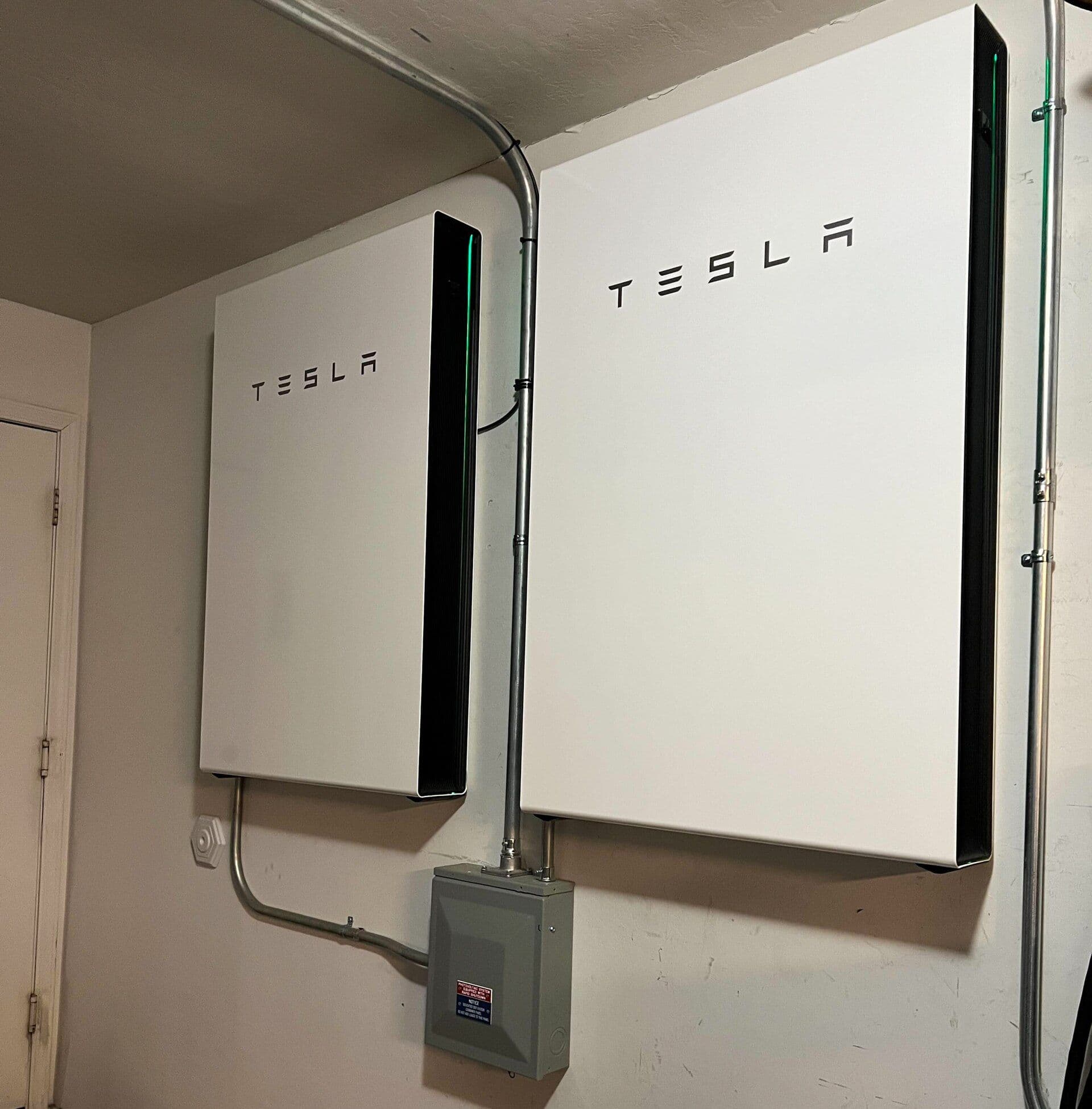
Home battery backup during a blackout only works when the battery, inverter, switchgear and household circuits have been designed for backup operation. A battery that reduces normal electricity bills may still shut down with the grid. The useful question is not only how many kilowatt-hours it stores, but which loads can start and run safely when islanded.
Quick answer
A correctly configured home battery can keep selected essential circuits running during an outage, subject to usable battery capacity, inverter output, surge limits and reserve settings. Solar may recharge it only if the system supports safe islanded operation. Air conditioners, ovens, pumps and EV chargers can exceed backup limits unless specifically designed into the system.
Key takeaways
- Backup capability must be included in the system design; it is not automatic.
- Energy capacity determines duration, while inverter power and surge capability determine what can run together.
- Essential-load backup is usually easier to manage than unrestricted whole-home backup.
- Solar recharging during an outage depends on inverter architecture and black-start behaviour.
- Medical and life-support needs require a separate emergency plan.
Why some batteries turn off when the grid fails
Grid-connected inverters must stop energising the grid during an outage so network workers and the public are not exposed to an unsafe backfeed. A backup-capable system isolates the home or selected circuits from the grid, creating an island that the battery inverter can supply. This requires approved equipment, protection and commissioning.
Energy.gov.au explicitly notes that a battery can provide electricity during an outage if configured to do so. Ask for that capability in writing. Product names such as hybrid, backup-ready or blackout protection do not prove the installed system includes every required component.
Essential-load versus whole-home backup
An essential-loads arrangement moves selected circuits to a backed-up sub-board. Typical priorities include some lighting, refrigeration, communications equipment and selected power outlets. The installer designs the group to remain within the inverter's continuous and surge output.
Whole-home backup connects a broader set of circuits, but it does not mean every appliance can run simultaneously without limits. The battery inverter, phase arrangement, switchboard and connection capacity still impose boundaries. Large loads may need automatic shedding or deliberate household rules.
Essential-load backup can be more predictable because it prevents an oven, resistance heater or EV charger from unexpectedly exhausting the battery. The best design depends on the household's actual priorities.
Capacity, power and surge are different
Battery capacity is measured in kilowatt-hours and indicates stored energy. Usable capacity is the portion available within operating limits. Inverter power is measured in kilowatts and limits the rate at which appliances can draw energy. Surge capability covers brief starting currents from motors and compressors.
A battery may contain enough energy to run a refrigerator for many hours but still be unable to start a large pump if its surge exceeds the inverter limit. Conversely, a high-power inverter can run several loads together but drain a small usable capacity quickly. Compare both dimensions.
Estimating backup duration
List each essential load and its actual or rated watts. Multiply watts by expected hours, divide by 1,000 and add the results to estimate kilowatt-hours. Allow for inverter losses, cycling, standby consumption and uncertainty. Appliances that cycle should be treated as a range rather than a constant load.
For example, communications equipment might run continuously, refrigeration cycles, and lights vary with household behaviour. A kettle is brief but high power. Space conditioning can be both high power and long duration. The calculation should model a conservative night without solar as well as a sunny-day scenario.
Reserve settings before the outage
Many systems let the owner retain a minimum state of charge for backup. A low reserve maximises normal bill optimisation but may leave little energy when an unexpected outage begins. A high reserve improves readiness but reduces capacity available for daily tariff shifting or solar self-consumption.
Some systems can raise the reserve before forecast severe weather, either manually or through a supported mode. Confirm who controls the setting under a virtual power plant and whether the operator can discharge the battery below the household's preferred reserve.
Can rooftop solar recharge the battery in a blackout?
Only if the system supports solar operation while islanded. The battery inverter must establish a stable local grid, manage solar production and balance it against household load and available storage. If the battery reaches its minimum state overnight, some systems can restart when sufficient solar is available; others need remaining battery energy or manual intervention.
Ask the installer about black-start behaviour, what happens when the battery becomes full while solar is generating, and whether solar is curtailed. Test instructions should be documented. Do not attempt electrical switching or modification yourself.
Loads that need special attention
Air conditioners, electric ovens, cooktops, water pumps, workshop equipment, pool equipment and EV chargers can materially affect backup design. The issue may be starting surge, continuous power, energy duration or phase configuration. A three-phase home may not have all phases backed up by a particular system.
Refrigerated medicine and medical devices need a risk-based plan that does not rely solely on marketing estimates. Registration as a life-support customer does not guarantee uninterrupted supply. Discuss autonomy, alarms and alternative locations or generators with the equipment provider and relevant professionals.
Internet and communications during a blackout
Keeping the router powered does not guarantee internet service. NBN and mobile network equipment outside the property may also lose power or become congested. The NBN connection box, router, cordless-phone base and any optical network equipment may all require backup power, depending on the technology.
Keep a charged mobile power bank and offline access to distributor numbers. Test which communications equipment is actually on the backed-up circuit.
Testing and maintenance
Ask the installer to demonstrate backup operation during commissioning and provide shutdown, restart and emergency instructions. Periodically test the supported procedure, review app alerts and keep the area around the battery clear according to manufacturer guidance. Software, communications and virtual-power-plant settings can affect behaviour, so include backup checks in routine reviews.
Battery work must be performed by appropriately qualified professionals. Follow product, electrical-safety and fire-service guidance. If the system is damaged, flooded, unusually hot, smoking or making abnormal sounds, keep clear and contact emergency services.
Buying for resilience rather than marketing
Give installers a written load list and desired outage duration. Ask them to identify backed-up circuits, usable capacity, continuous power, surge capability, phase coverage, solar-recharge operation, black-start behaviour and the reserve setting. Request a single-line diagram and commissioning evidence.
Compare the resilience design separately from bill savings. Energy.gov.au cautions that battery savings may not repay the cost within the warranted life for every household. Backup can have value, but that value should be explicit rather than hidden inside an optimistic payback claim.
Internal resources
Estimate ordinary electricity use with the electricity cost calculator, read the electricity outage compensation guide, and compare electricity options through CompareUs electricity.
Backup-load planning priorities
| Load | Typical priority | Design issue | Planning action |
|---|---|---|---|
| Refrigeration | Often essential | Cycling load and compressor surge | Confirm start-up support and estimate overnight energy |
| Lights and selected outlets | Often essential | Which circuits are physically backed up | Label the circuits and keep plug-in loads controlled |
| Router and NBN equipment | Useful but not guaranteed connectivity | Multiple devices may need power | Back up all required equipment and keep mobile fallback |
| Medical equipment | Critical | Reliability, alarms and outage duration | Use a professional emergency plan with independent alternatives |
| Air conditioning and pumps | Situation-dependent | High continuous power or starting surge | Include only after installer load assessment |
| Oven, resistance heating and EV charging | Usually deferrable | High power and rapid battery depletion | Exclude, shed or strictly manage during backup |
Action checklist
- Specify essential circuits before quoting.
- Confirm usable kWh and inverter kW separately.
- Check surge and motor-start capability.
- Confirm phase coverage.
- Ask whether solar recharges during an outage.
- Document black-start and reserve behaviour.
- Test the commissioned backup procedure.
- Maintain a separate medical and communications plan.
Common mistakes
- Assuming every grid-connected battery provides backup.
- Sizing only from kWh and ignoring inverter power.
- Calling selected-circuit backup whole-home backup.
- Assuming solar always operates while islanded.
- Relying on a battery as the only life-support contingency.
Sources reviewed
- energy.gov.au Batteries - Battery benefits, backup configuration, VPP and consumer cautions.
- energy.gov.au Solar Consumer Guide - Australian purchasing, installation and safety guidance.
- Clean Energy Regulator solar battery guidance - Current battery program, maintenance and eligible-system context.
Where should you go next?
FAQs
Will a solar battery work during a blackout?
Only if the installed battery, inverter and switchgear are configured to isolate from the grid and supply backup circuits.
Can a home battery run the whole house?
Some systems can back up broad household loads, but inverter power, surge, phase and energy limits still apply.
How long will a battery last in an outage?
Divide usable battery kWh by the combined average load, then allow for losses and cycling. Actual duration depends on behaviour and solar recharge.
Can solar recharge a battery during an outage?
Some backup architectures can, but it depends on islanded solar control and black-start behaviour. Confirm the installed design.
What should be on a backup circuit?
Common priorities are refrigeration, selected lighting, communications and essential outlets. Critical medical requirements need professional planning.
Does a VPP affect blackout reserve?
It can. Read the VPP terms and check whether the operator can change reserve settings or discharge capacity needed for backup.