
How to Compare Electricity Rates in Australia
A practical guide to comparing electricity rates in Australia without missing supply charges, tariff structure or state context.
CompareUs Editorial TeamConsumer utilities editorial team
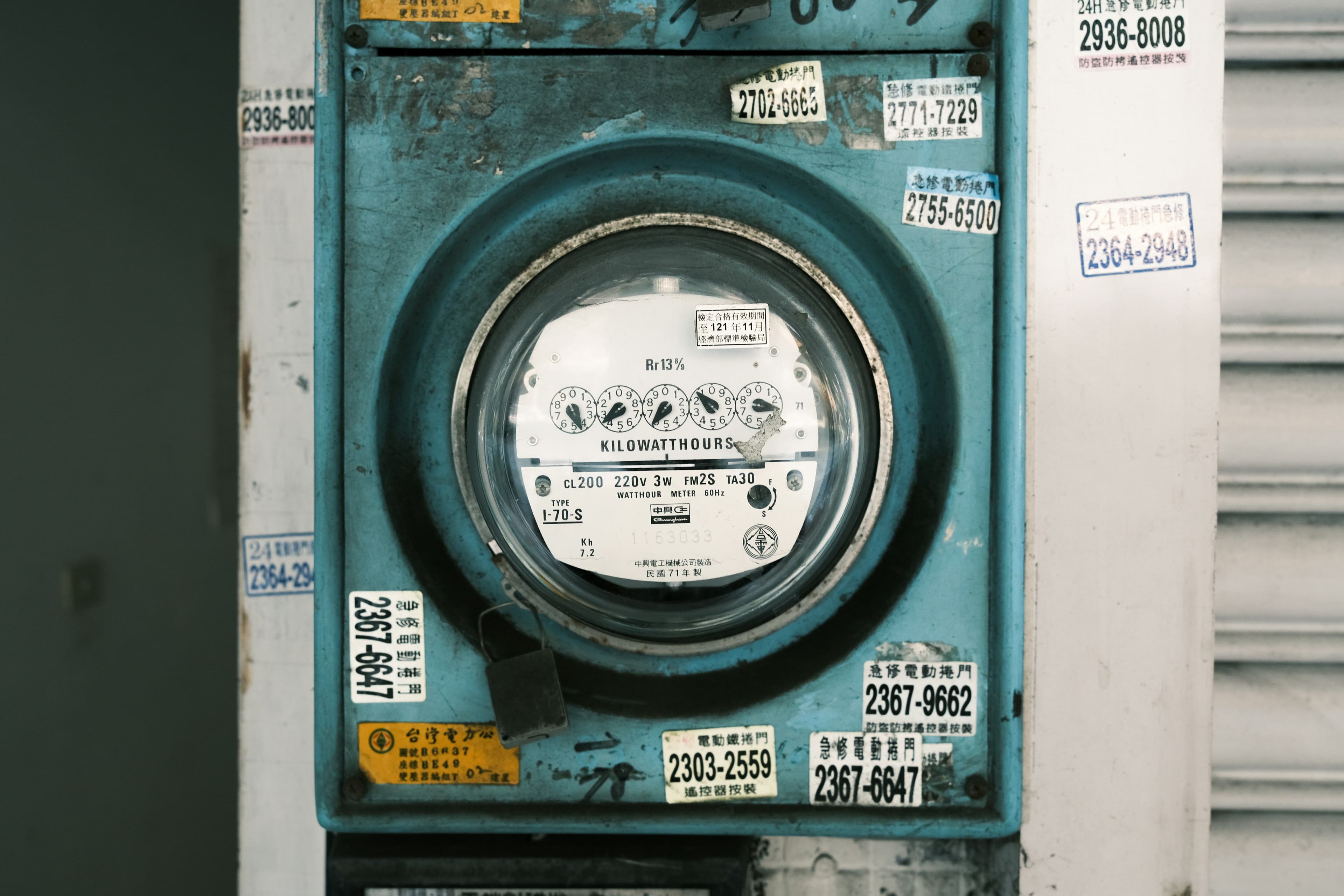
If you want to compare electricity rates in Australia, the first mistake to avoid is looking only at the cents-per-kWh figure. Electricity pricing is usually shaped by at least two core components: the daily supply charge and the usage charge.
What electricity rates actually include
Energy Made Easy's bill explainers and tariff guidance make the basic structure clear. Electricity plans commonly include:
- a daily supply charge;
- one or more usage charges;
- tariff settings such as flat rate or time-of-use;
- additional line items like controlled load where relevant.
That means the real comparison is not just rate versus rate. It is cost structure versus cost structure.
How to compare rates step by step
- Start with the exact address and your latest bill.
- Check the daily supply charge.
- Check the electricity usage rate in cents per kWh.
- Confirm whether the tariff is flat, time-of-use or another structure.
- Check whether controlled load applies.
- Review solar export settings if relevant.
- Compare the written plan summary before switching.
Why tariff type matters
A time-of-use plan can look cheaper than a flat-rate plan until you realise that most of your household usage lands inside the expensive peak window. Controlled load can also materially change the bill for homes with electric hot water or similar appliances.
When postcode changes the answer
Electricity rates differ by distributor zone, meter type and plan availability. That is why two people comparing the same retailer can see different outcomes. If your home also uses gas, combine the electricity-rate review with our main guide on how to compare electricity and gas plans so the final decision still works for the whole energy budget.
Related CompareUs pages
Use the electricity comparison page and electricity bill calculator to test the likely effect of different electricity rates using your own household pattern.
Where should you go next?
FAQs
What is the first thing to check when comparing electricity rates?
Check the supply charge and the usage rate together. Looking at the kWh rate alone can be misleading.
Why do two plans with similar rates produce different bills?
Differences in supply charges, tariff structure, peak windows, controlled load and solar settings can all change the result.
Do time-of-use tariffs always save money?
No. They help only if your usage pattern suits the cheaper periods.
Does postcode matter when comparing electricity rates?
Yes. Electricity plan availability and pricing vary by distributor zone, retailer and meter setup.
Should I compare electricity rates separately from gas?
If your household uses both fuels, compare electricity rates as part of the wider energy budget, not in isolation.