
How To Read a Gas Bill in MJ, Supply Charges and Blocks
A practical guide to gas bill terms, charges and checks for Australian households.
Cyrus RodriguesEnergy and EV Content Researcher
Quick answer: how to read gas bill Australia
Learning **how to read gas bill Australia** charges starts with three lines: billing period, gas usage in megajoules and daily supply charge. Then check whether the meter read was actual or estimated, whether tariff blocks apply, and whether concessions or overdue amounts have changed the total.
What to check on the front page
Most gas bills show the account summary first. Check the customer name, supply address, account number, amount due and due date. Also check whether the bill includes a previous balance, payment plan amount or credit.
If the property has recently changed tenant or owner, confirm the billing period starts when you became responsible for the account.
MJ: the gas usage unit
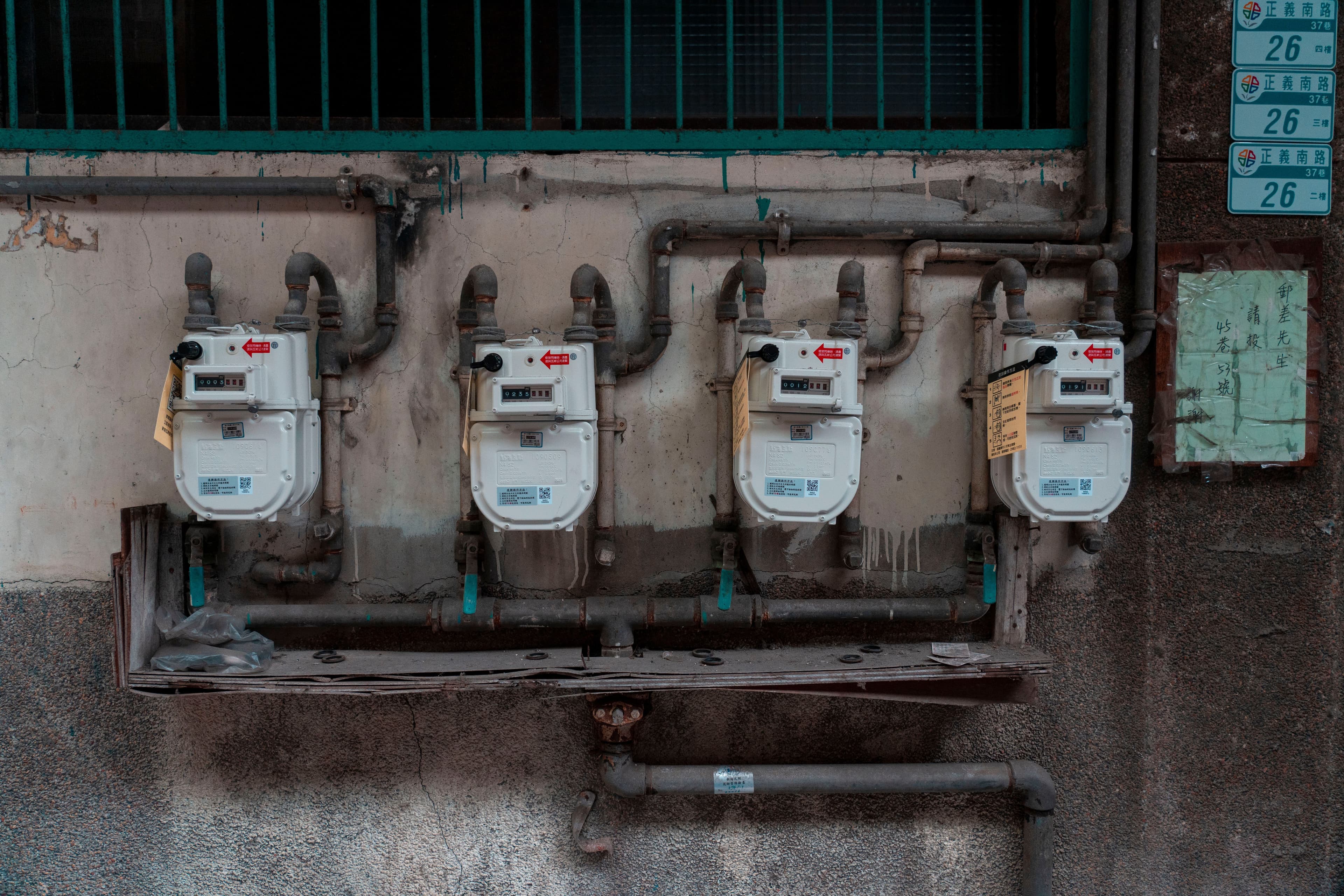
Gas usage is usually measured in megajoules, or MJ. Energy Made Easy explains that electricity is commonly charged in cents per kilowatt hour, while gas is charged in cents per megajoule.
Your bill should show total MJ used for the billing period. Some bills also show the meter readings used to calculate that amount. If your usage is unusually high, compare the current period with the same season last year, because gas heating and hot water can vary heavily by weather.
Daily supply charge
The daily supply charge is the fixed charge for supplying gas to your property. Energy Made Easy says this may also be called a service charge or fixed charge.
This charge applies even if your gas usage is low. It becomes especially important when gas cooking is the only gas appliance left in the home. In that situation, the fixed supply charge may outweigh the actual usage charge.
Usage charges and tariff blocks
The usage charge is the variable charge for the gas you use. Some gas plans use blocks. That means one rate applies to the first part of usage and another rate applies after a threshold.
Blocks can apply daily, monthly or quarterly, depending on the retailer and plan. When comparing gas plans, do not compare only the first block rate. A household using gas heating may move into later blocks during winter.
Actual vs estimated meter reads
The Australian Energy Regulator says energy bills should show the meter readings used to calculate usage and whether a bill is based on an estimate. If the estimate is wrong, a later actual read can create a credit or catch-up amount.
Estimated reads can happen when the meter cannot be accessed. If this keeps happening, ask the retailer what can be done. If you can safely provide a self-read, ask whether the retailer accepts it.
Concessions, rebates and fees
Check whether concessions or rebates have been applied. Missing concessions can make a correct usage bill look wrong.
Also check for:
- paper bill fees;
- card payment fees;
- late payment fees;
- disconnection or reconnection charges;
- account credits;
- hardship or payment-plan adjustments.
How to compare gas plans using a bill
Use the bill to collect:
- postcode;
- billing period;
- total MJ usage;
- supply charge;
- usage rates and blocks;
- concession status;
- whether the home uses gas heating, hot water or cooking.
Then compare gas plans at `/gas` and estimate usage with `/calculators/gas-cost`.
Common mistakes
The biggest mistake is looking only at the amount due. The total can include old debt, missed concessions or an estimated read.
Another mistake is comparing gas plans by usage rate only. A lower usage rate with a higher daily supply charge may not suit a low-use household.
Internal next steps
Compare gas plans at `/gas`, estimate usage with `/calculators/gas-cost`, read `/guides/keep-gas-for-cooking-only`, and check replacement options at `/guides/gas-hot-water-replacement`.
Sources
- Energy Made Easy: Understanding gas and electricity charges, https://www.energymadeeasy.gov.au/article/understanding-gas-and-electricity-charges
- AER: Understanding your energy bill, https://www.aer.gov.au/consumers/understanding-energy/understanding-your-energy-bill
- NSW Climate and Energy Action: What's in your energy bill, https://www.energy.nsw.gov.au/households/bills/your-energy-bill
Disclosure
CompareUs may receive a referral fee when you click or apply through some links. This does not change the price you pay. Our goal is to help Australians compare options clearly and make informed decisions.
Where should you go next?
FAQs
What does MJ mean on a gas bill?
MJ means megajoule. It is the unit commonly used to measure gas consumption on Australian gas bills.
What is a gas supply charge?
It is a fixed daily charge for supplying gas to the property, separate from how much gas you use.
Why does my gas bill have blocks?
Some gas tariffs charge one rate for the first block of usage and another rate for later usage blocks.
What is an estimated gas bill?
It is a bill based on estimated usage rather than an actual meter read. A later actual read may correct it.
What should I compare on gas plans?
Compare supply charges, usage rates, block structure, concessions, fees and your expected seasonal usage.