
How to Read Your Gas Bill When Usage Is Shown in MJ
A line-by-line explanation of Australian gas bills, from megajoules and meter reads to fixed charges and seasonal usage.
CompareUs Editorial TeamConsumer utilities editorial team
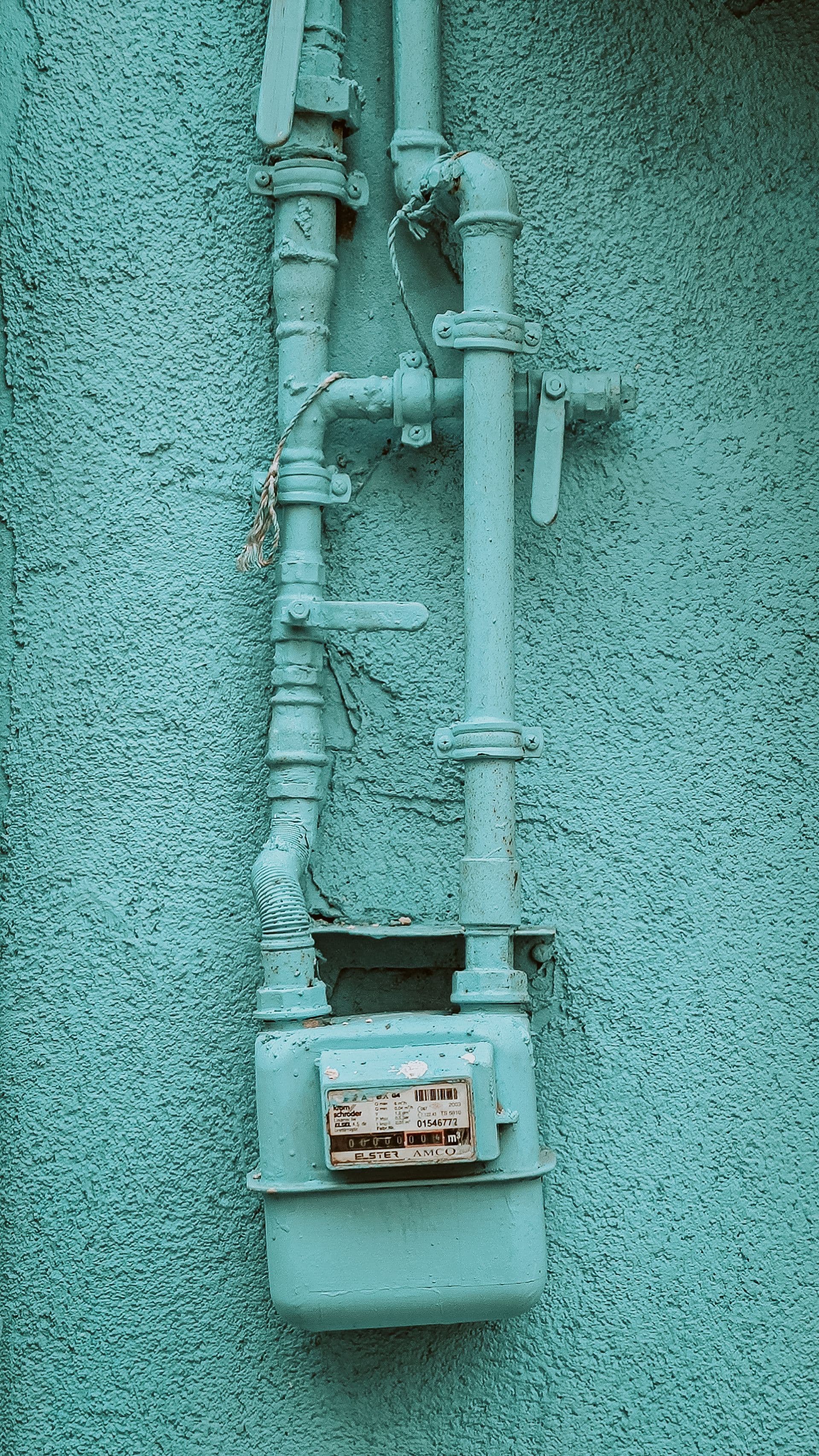
To read gas bill MJ Australia households need to separate the meter reading from the energy unit charged. A gas meter may record volume, while the bill converts that consumption into megajoules using factors shown by the retailer. Usage charges are then calculated in cents per MJ.
The bill also contains a daily supply charge paid regardless of usage, the billing period, read type, discounts and adjustments. Once those pieces are separated, a winter increase becomes much easier to explain and plans become easier to compare.
Quick answer
Read a gas bill by checking the billing days, actual or estimated meter read, total usage in megajoules, cents-per-MJ rates and daily supply charge. The retailer may convert meter volume to energy using a heating value or pressure factor. Compare MJ per day with the same season last year and check every usage block before switching.
Key takeaways
- MJ measures energy, not money.
- Meter volume can be converted to MJ.
- Supply charge applies each day.
- Usage can be priced in blocks.
- Winter comparisons should use MJ per day and a similar season.
Read gas bill MJ Australia: the line-by-line order
Begin with supply address, account number and billing dates. Confirm the number of days and whether the meter identifier matches the property. Find previous and current reads and the wording showing actual or estimated usage.
Next locate total MJ, each c/MJ rate and the daily supply charge. Add discounts, concessions, fees and adjustments only after understanding the base charges.
Why the meter and bill can show different units
Gas meters commonly measure volume. The retailer or distributor converts this to energy using information such as heating value and pressure factors. The bill may show the formula or conversion details.
Do not expect the change in meter digits to equal billed MJ exactly. If the calculation looks wrong, ask the retailer to explain the read and factors used rather than attempting to alter the meter.
Usage blocks and seasonal patterns
Some gas plans price usage in blocks, which can vary with consumption or period. Determine how much usage falls into each block instead of comparing only the first advertised rate.
Calculate MJ per day and compare with last winter. Heating often creates strong seasonality, while hot water and cooking create a year-round baseline. A high baseline can guide appliance checks.
Actual, estimated and corrected bills
An inaccessible meter can produce an estimate. A later actual read may correct undercharging or overcharging, making one bill unusually high or low. The bill should make the estimate clear.
Ask whether a customer read can be submitted before the due date and follow instructions. Keep photos where accepted. If a dispute remains, use the retailer's complaint process and the relevant energy ombudsman.
Also compare the opening read on the current bill with the closing read on the previous one. They should form a continuous account of usage unless the meter was replaced, the account changed or the retailer has clearly shown an adjustment. Ask for an explanation whenever the sequence cannot be reconciled from the documents. A clear sequence also makes the next seasonal comparison faster and gives the retailer a precise discrepancy to investigate.
A worked household example
A customer sees 24,000 MJ on a winter bill and assumes the meter should have moved by the same number. The bill shows that meter volume was converted to energy before pricing. They calculate MJ per day, identify an estimated previous read corrected this quarter and compare each usage block. The high total now has a clear explanation and a specific retailer question.
The example is deliberately a method rather than a savings promise. Rates, fees, appliance performance, climate and household routines differ. Replace the assumptions with figures from your own bills and written offers before making a decision.
How to check your own numbers
Start with at least two recent bills, and use four if your usage changes sharply between winter and summer. Record the number of billing days, fixed daily charge, usage units, usage rates, discounts, concessions, credits and whether the meter read was actual or estimated. For electricity, separate general usage, controlled load and solar exports. For gas, separate the fixed supply charge from usage measured in megajoules.
Do not compare one advertised rate in isolation. Ask for the retailer's current plan information, then calculate the likely annual result using the same usage assumptions for every option. A percentage below a reference price is useful context, but it is not a personalised bill forecast. Likewise, a sign-up credit is temporary and should be separated from the ongoing rates.
If an appliance decision is involved, compare ownership cost as well as energy cost. Include purchase and installation, finance, servicing, expected life, warranty, space, noise, safety work and any electrical-board or gas-network changes. The lowest running cost does not automatically produce the lowest total household cost.
Make the comparison fit real life
Numbers only help when their assumptions match the people living in the home. Note how many occupants are usually present, whether anyone works or studies from home, which rooms must remain comfortable, and whether energy use supports health, disability or life-support needs. A tariff that requires a family to move essential evening use may look efficient in a spreadsheet and fail in practice.
Separate flexible loads from non-negotiable ones. Laundry, dishwashing, EV charging and some hot-water schedules may move. Cooking, medical equipment, a baby's room and heating during occupied hours may not. Model the plan around the routine the household can sustain through a busy week, not an ideal day created for the calculation.
Then stress-test the choice. Ask what happens in a colder winter, a heatwave, school holidays, a period of working from home or after a temporary discount ends. For a technology purchase, ask what happens if the family moves or the equipment needs out-of-warranty work. A robust decision should remain acceptable when one optimistic assumption does not occur.
Finally, value simplicity and control. Some households are happy to monitor interval data and automate appliances. Others want a predictable plan with fewer moving parts. Neither preference is wrong. The best result is one the household understands, can maintain and can revisit when prices, routines or equipment change.
Your action checklist
- Confirm address and meter.
- Count billing days.
- Check actual or estimated read.
- Find total MJ and conversion details.
- Calculate supply and usage charges.
- Compare MJ per day seasonally.
Questions worth asking before you commit
- How was meter volume converted to MJ?
- Was this read actual?
- Which usage blocks applied?
- Did rates or discounts change?
- Can I submit a customer read?
Ask for important answers in writing. Keep the plan summary, quote, rebate approval, appliance warranty and any installer compliance documents together. That small paper trail is valuable if a credit is missing, a bill is corrected later or the work does not match what was promised.
State, property and eligibility notes
Gas distributors, tariff structures and retail choice vary by location. Use the bill's distributor and plan information for address-specific details. LPG bills can use different units and should not be treated as identical to mains gas accounts.
Australia does not have one retail energy market. Rules and comparison tools differ across states and territories, and some households have limited retailer choice. Apartments, retirement villages, caravan parks and other embedded networks can also have different billing arrangements. Always check the current rule for the supply address rather than relying on advice written for another state.
Common mistakes to avoid
- Treating meter volume as MJ.
- Ignoring usage blocks.
- Comparing only bill totals.
- Missing an estimated-read correction.
When to compare, call or pause
Compare plans when a benefit period ends, prices change, a large bill arrives, you move, your household size changes or a major appliance is replaced. Call the retailer promptly if the bill looks wrong or payment is becoming difficult. Early contact creates more options than waiting for overdue notices.
Pause the decision if a salesperson is rushing you, the eligibility rules are unclear, the quote lacks model numbers or installation scope, or the promised saving cannot be reproduced from your own usage. For gas, electrical, solar and hot-water work, use appropriately qualified trades. Safety work is not a DIY saving opportunity.
How CompareUs can help
Use this guide to understand the decision, then compare current options for your address on the CompareUs gas page. You can test your own usage in the gas cost calculator and browse more CompareUs guides for related tariff, appliance, solar, concession and switching questions.
CompareUs does not assume one plan or technology is right for every household. Our editorial approach is to make the assumptions visible, separate temporary incentives from ongoing costs, and give readers a practical next step they can complete with their own bill or property information.
Sources reviewed
- Energy Made Easy — what's on your energy bill — Bill fields, charges, plan details and better-offer information.
- Energy Made Easy — meter readings — Gas, standard electricity and smart-meter reading guidance.
- Energy Made Easy — estimated bills, overcharging and undercharging — Estimated reads, customer reads and bill-adjustment guidance.
Where should you go next?
FAQs
What does MJ mean on a gas bill?
MJ means megajoule, a unit of energy used to price mains gas consumption.
Why does my meter show different units?
The meter may record volume, which is converted to energy using heating and pressure factors.
What is the gas supply charge?
It is the fixed daily cost of maintaining the gas connection.
What is a gas usage block?
It is a band of consumption priced at a specified c/MJ rate.
How do I compare winter use?
Calculate MJ per day and compare with the same season last year.
What if the bill is estimated?
Ask about a customer read or correction process before the due date.