How To Read Your Electricity Bill In Australia
A practical guide to reading an Australian electricity bill and understanding the charges that shape what you pay.
CompareUs Editorial TeamConsumer utilities editorial team
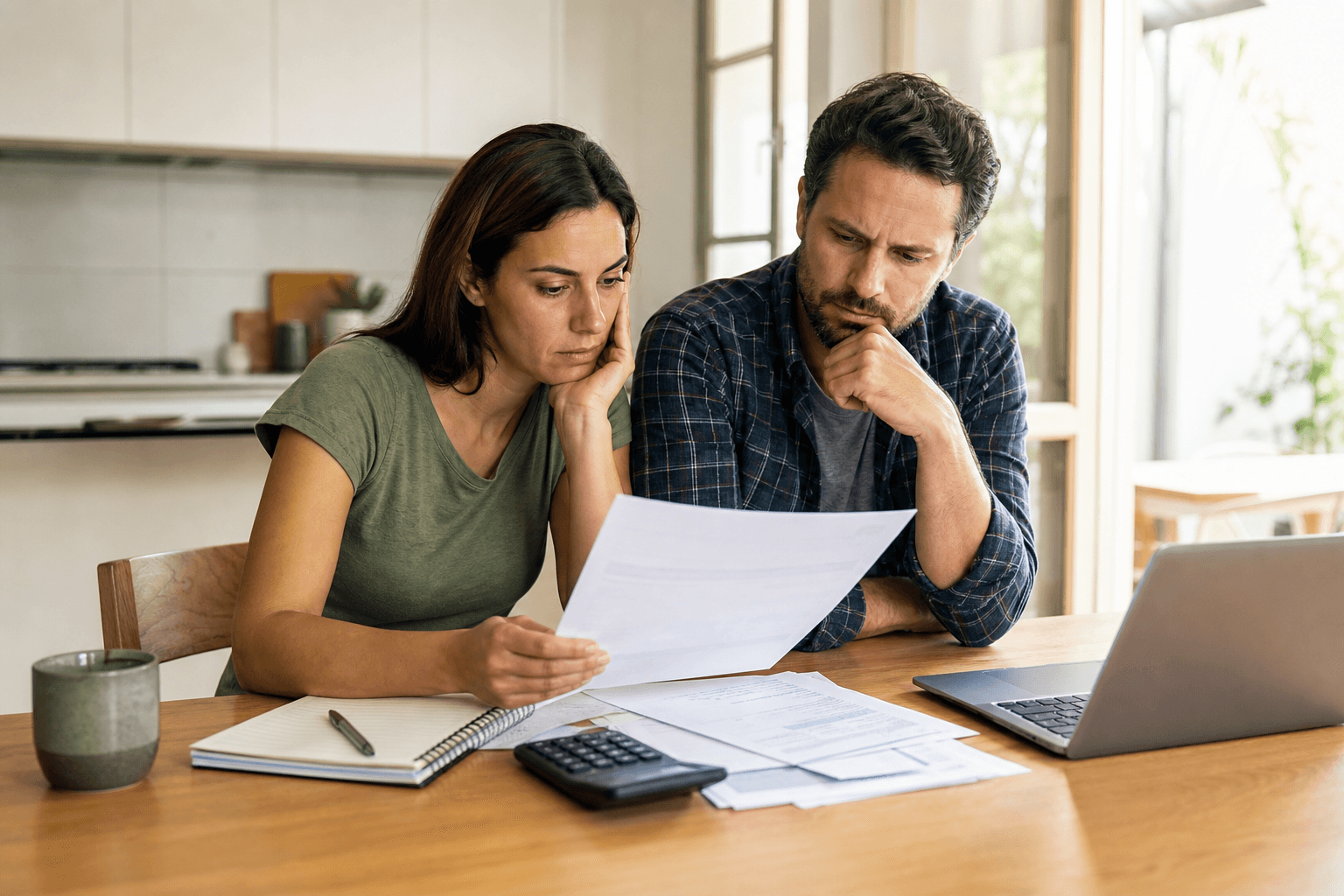
If you have ever opened a power bill and gone straight to the amount due, this electricity bill explained guide is for you. A modern bill tells you more than what you owe. It can show how you were charged, whether the reading was estimated, what tariff you are on and whether your retailer thinks there may be a cheaper plan.
What is usually on an electricity bill?
According to Energy Made Easy and the AER's Better Bills framework, most electricity bills in Australia include:
- the total amount due and due date;
- the billing period;
- your electricity usage in kWh;
- the rates or tariff structure used to calculate charges;
- any extra fees or credits;
- whether the bill was estimated;
- contact details for faults, emergencies and financial assistance.
Some bills also show solar exports, controlled load usage, concessions or rebates, and a prompt about whether another offer from the same retailer may save you money.
Start with the billing period and total amount
Check the dates first. A high bill can simply reflect a longer billing period. Then look at the total amount due and compare it with previous bills for the same season. Summer and winter bills often rise because cooling and heating increase usage.
Supply charge and usage charges explained
Most Australian electricity bills have two core charging parts.
1. Daily supply charge
This is the fixed charge for keeping your property connected to the electricity network. You pay it each day whether you use a lot of power or very little.
2. Usage charges
These are based on how much electricity you use. The rate may be a single flat rate or split across different time periods if you are on a time-of-use tariff.
If your bill includes a controlled load line, that usually means a separately metered appliance such as electric hot water is being charged under a different rate.
How to find your tariff type
Your tariff type shapes how your usage is billed.
- A single rate tariff charges the same usage rate all day.
- A time-of-use tariff charges different rates at different times, usually peak, off-peak and sometimes shoulder.
- A controlled load tariff applies to selected appliances on a separate circuit.
- Some homes may also be on a demand tariff, where part of the bill depends on how much electricity you draw at once during set periods.
If your bill has multiple usage lines with different cents-per-kWh rates, you are likely not on a simple single rate tariff.
Actual meter reads vs estimated bills
Look for a note saying the bill is estimated. Retailers must make this clear. An estimate can happen when the meter cannot be read, for example because access was blocked or the meter data was unavailable. If the estimate looks wrong, contact your retailer quickly and ask about submitting your own read or having the bill adjusted.
Better offer notices and plan details
Many bills now show current plan information and may include a message about whether another plan from the same retailer could be cheaper. That message is worth checking, but do not stop there. Compare the supply charge, usage rates, solar settings and any controlled load charges before switching.
Common mistakes when reading a bill
Many households focus only on the total amount due. That misses the details that matter most. Common mistakes include ignoring the tariff type, overlooking a controlled load line, forgetting to check whether the bill was estimated, and comparing bills from different seasons without adjusting for usage patterns.
How to use your bill to compare plans
Use a recent bill when comparing electricity plans on CompareUs. Match the same postcode, tariff type and any solar or controlled load setup. That gives you a more realistic comparison than relying on generic discounts or headlines.
Sources and methodology
This guide is based on Australian Energy Regulator and Energy Made Easy billing guidance current at the time of writing. Retailer bill layouts vary, but the key sections and customer protections described here are broadly consistent across the National Energy Customer Framework markets.
Where should you go next?
FAQs
What does kWh mean on an electricity bill?
kWh means kilowatt-hour, which is a measure of how much electricity you used over time.
What is the supply charge on my bill?
The supply charge is the fixed daily cost of staying connected to the electricity network, even if you use very little power.
Why are there multiple usage rates on my bill?
You may be on a time-of-use tariff, a controlled load tariff, or another tariff structure that charges different rates for different usage types or times.
How do I know if my bill is estimated?
Your retailer must clearly show when a bill is based on an estimate. Look for wording that says the bill or the meter read is estimated.
Can I use my bill to compare electricity plans?
Yes. A recent bill is one of the best tools for comparing plans because it shows your tariff type, usage pattern and any solar or controlled load details.
What should I do if my bill looks wrong?
Check the billing period, whether the read was estimated and the tariff lines used. Then contact your retailer and ask for a review if something looks inconsistent.