
Instantaneous vs Storage Gas Hot Water: Costs and Capacity
Compare instantaneous vs storage gas hot water for peak demand, heat losses, installation and upkeep. Check electric alternatives and state replacement rules.
CompareUs Editorial TeamConsumer utilities editorial team
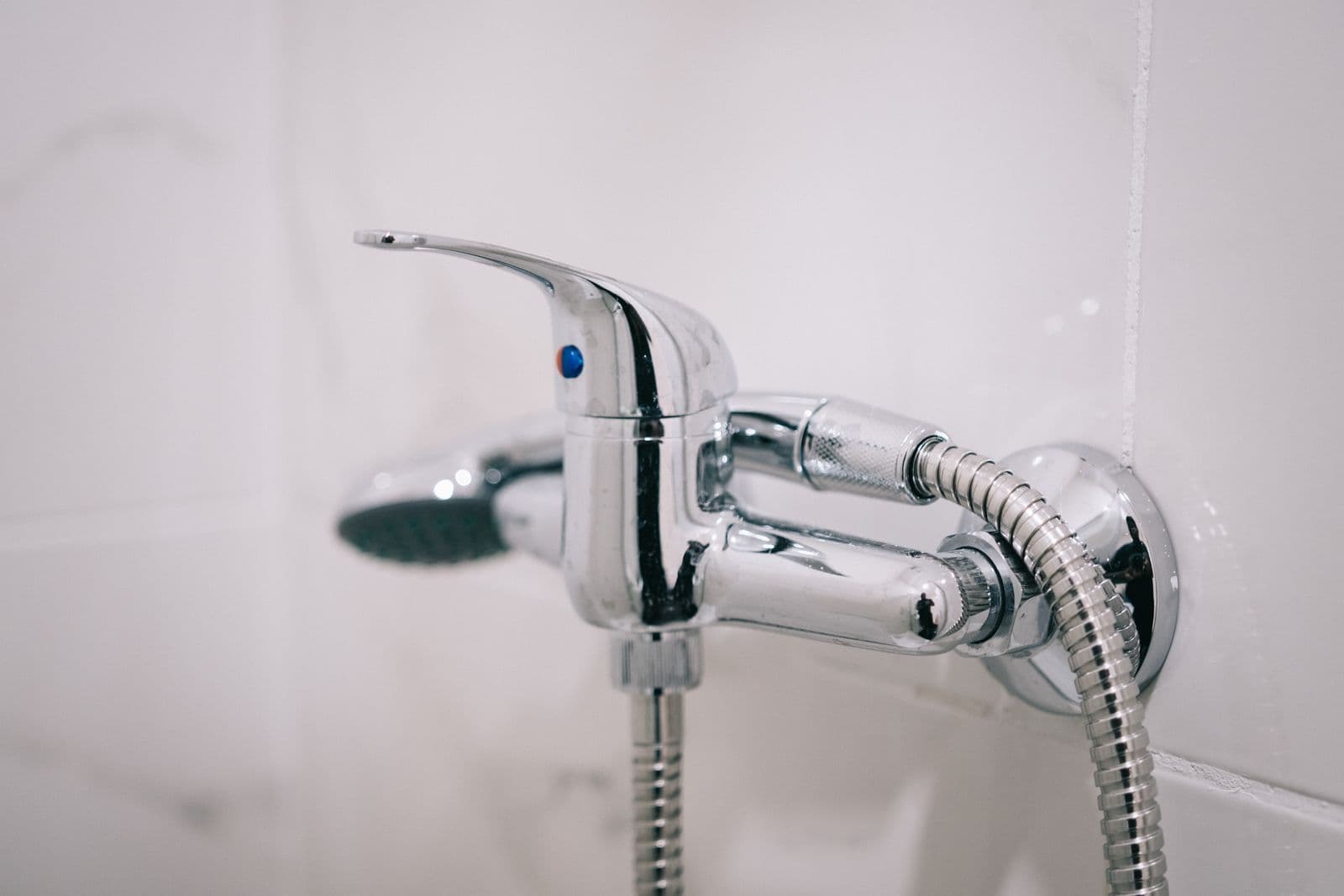
Instantaneous vs storage gas hot water is not simply a contest between a small wall-mounted unit and a tank. The right comparison asks how much hot water the home needs at its busiest time, what the existing services can support and what the complete replacement will cost over time.
Quick answer
Instantaneous vs storage gas hot water is a choice between heating on demand and keeping a tank hot. Compare peak simultaneous demand, storage losses, gas supply capacity, installed cost and maintenance. Continuous flow is not unlimited flow. Before replacing either, check efficient electric alternatives and any state rules that affect what can be installed.
Instantaneous vs storage gas hot water: how they differ
A storage system heats water and holds it in an insulated tank for later use. An instantaneous or continuous-flow system heats water as it passes through the appliance. Both can use gas, but their capacity limits and energy losses work differently.
YourHome’s hot-water guide explains that continuous-flow gas generally uses less energy than gas storage because it avoids keeping a tank hot. That does not make every installation cheaper overall, nor does it remove the need to consider efficient electric alternatives.
| Feature | Gas storage | Instantaneous gas |
|---|---|---|
| Main capacity measure | Stored volume and recovery performance | Delivery flow at a specified temperature rise |
| Between uses | Stored water can lose heat | No hot-water storage tank to maintain |
| Busy period | Stored supply can be drawn down | Simultaneous demand must fit delivery capacity |
| Site checks | Tank location, access and associated plumbing | Gas flow capacity, location and other installation needs |
| Maintenance focus | Appliance, tank and model-specific components | Appliance, heat exchanger and model-specific components |
The table describes the technologies, not the specifications of any particular model. Use the installer’s design and manufacturer documents for the final choice.
Start with the busiest realistic demand
List the outlets likely to run together: showers, a bath, kitchen use and any appliance connected to hot water. Household size alone is an imperfect guide. Four people showering one after another create a different peak from two showers operating at the same time.
Tell the installer about low-flow fittings, unusually long pipe runs and winter performance concerns. A continuous-flow rating is meaningful only alongside the temperature rise and test conditions. Do not compare a flow-rate headline with a tank’s litre capacity as if they measure the same thing.
For storage, ask how much usable hot water the system can deliver during the busy period and how quickly it recovers. For instantaneous, ask what happens at the proposed combination of outlets when incoming water is cold. Get the assumptions in the quote.
Continuous flow still has limits
Not storing water avoids running out of a tank in the ordinary sense, but it does not create unlimited heating capacity. If demand exceeds the unit’s rated delivery under the actual conditions, performance can disappoint even though the appliance is operating as designed.
YourHome also notes that some instantaneous units can behave poorly at very low flows. Discuss compatibility with water-saving showerheads and any solar preheating arrangement. A suitable model and installation matter more than a blanket claim that all continuous-flow units solve every hot-water complaint.
If the existing system produces inconsistent temperatures, have the cause investigated before assuming replacement type alone is the answer. Plumbing, controls or an installation problem may be relevant.
Understand storage losses without exaggerating them
A tank can lose heat while nobody is using hot water, so small households and intermittent use may make standing losses relatively important. The actual loss depends on the model, installation and conditions. Avoid applying one percentage to every storage system.
Pipework also loses heat. Short, frequent draws can waste energy in either technology when heated water never reaches the outlet before the tap is turned off. Consider system location and pipe layout as part of the installed design, not just the appliance label.
Do not reduce safe storage temperatures or alter tempering controls to chase a theoretical saving. Ask the licensed professional to explain safe operation and maintenance. This guide does not provide a do-it-yourself plumbing or gas procedure.
Compare annual consumption at the same demand
Ask each supplier for an annual energy estimate using the same hot-water demand and stated conditions. Record whether auxiliary electricity, pilot consumption or other relevant components are included. If assumptions differ, request a comparable estimate before calculating payback.
For an invented illustration, suppose storage uses 18,000 MJ a year and continuous flow 14,000 MJ for the same household requirement. At an assumed 3.5 cents per MJ, annual gas usage costs are $630 and $490. The difference is $140, not the total gas bill.
If the continuous-flow installation costs an additional hypothetical $700, simple payback from that fuel difference is five years before maintenance, finance costs or future tariff changes. The consumption and prices are not typical-product claims or current quotes; they show how to test a proposal.
Keep supply charges in the right column
If the household keeps gas connected for cooking or heating, the daily supply charge generally remains regardless of which gas water heater is installed. Do not add that entire charge to one gas appliance and remove it from the other to manufacture a saving.
If you are considering an electric replacement and hot water is the last gas appliance, the comparison changes. Include the potential avoided supply charge, but also the actual account-closure or service-removal process and costs. The saving begins when charging stops, not simply when the new heater is switched on.
Use our gas hot-water running-cost guide and gas cost calculator to organise the numbers. Where tariffs have blocks or seasonal prices, use a method that reflects those details.
Get a complete installed quote
Continuous-flow equipment can require substantial gas flow when several outlets are supplied. Ask whether the existing meter and pipework are adequate and whether upgrades are included. A cheap appliance can become an expensive project if these requirements are discovered late.
For either type, confirm the approved location, flue arrangements, access, plumbing changes, electrical requirements and removal of the old unit. Ask who obtains any necessary approvals and what documentation you will receive after installation.
Do not assume natural gas and LPG versions are interchangeable. Tell the supplier the actual fuel and supply arrangement. Gas installation and any conversion must be assessed and performed by appropriately qualified people using suitable equipment.
Allow for maintenance and service life
Ask what servicing the manufacturer requires and which components need periodic attention. Tank construction, water quality and local conditions can affect maintenance requirements. A warranty headline does not tell you every exclusion or the cost of labour and replacement parts.
Energy Safe Victoria’s guidance recommends at least two-yearly servicing of gas water, space and central heaters by an appropriately qualified gasfitter. Apply the relevant local and manufacturer requirements and seek prompt help for a suspected fault rather than waiting for the next scheduled service.
Keep receipts, model details and service records. They help with warranty enquiries and give the next professional a clearer history if performance changes.
Check state rules before ordering a replacement
The Victorian Government’s guidance, reviewed on 28 September 2026, says that from 1 March 2027, a gas hot-water appliance in an existing home that breaks and cannot be repaired must generally be replaced with an electric alternative. Exemptions and separate rental standards can affect the precise requirement.
That is not a statement that every functioning gas water heater must be removed on that date, or that identical rules apply nationally. Ask the installer to confirm the current property-specific requirements, especially where the installation is planned for a later date.
Do not choose a system solely to beat a future deadline. Compare suitability, lifetime costs and the household’s longer-term plans. A rushed purchase can leave an appliance that is technically permitted but a poor financial or practical fit.
Include an efficient electric option
YourHome favours efficient heat-pump and solar hot-water options for reducing energy consumption. Obtain a suitable electric quote alongside gas options where feasible, with noise, space, electrical work and household demand addressed rather than assumed away.
Any rebate must be checked for the applicant, property, product, installer and application timing. Do not subtract a headline incentive from the quote until eligibility and treatment of other incentives are confirmed. The gas comparison page is useful if the gas service remains, but tariff shopping does not replace the equipment decision.
The CompareUs Editorial Team’s approach is to compare equal hot-water needs and complete installed costs. A well-supported quote, realistic annual estimate and clear safety requirements are more useful than a universal winner.
Where should you go next?
FAQs
Does continuous-flow gas hot water mean unlimited showers at once?
No. It heats water as needed but has a maximum delivery capacity under specified conditions. Several simultaneous outlets, colder incoming water and required temperature rise can affect performance. Ask the installer to size for the actual household peak.
Is instantaneous gas always cheaper to run?
It generally avoids storage-tank heat losses, but actual costs depend on model, usage, installation and tariffs. A lower fuel estimate does not automatically offset a more expensive installation. Compare like-for-like household demand.
Can I replace a storage system with continuous flow without other work?
Not necessarily. Gas supply capacity, pipework, meter, electrical supply, flue/location and plumbing may need assessment. Obtain a complete installed quote rather than assuming the appliance can simply be swapped.
Will changing the water heater remove my gas supply charge?
Not if the gas service stays connected for other appliances. Removing the final gas appliance may make disconnection possible, but check the provider process and costs. Do not count an avoided supply charge until it actually stops.
Can I lower the storage temperature to reduce losses?
Do not change safe storage or delivery settings based on a cost estimate. Temperature controls and tempering arrangements have health and safety requirements. Ask a licensed professional to check the system and follow manufacturer instructions.
What changes in Victoria from March 2027?
Victoria’s published guidance says an irreparable gas hot-water appliance in an existing home must generally be replaced with an electric alternative from 1 March 2027, with relevant exemptions. Rental-property standards also apply. Check the exact rules for the property before installation.