
Insulin Pump Health Insurance: Approval, Replacement and Costs
Check insulin pump health insurance for hospital or outpatient supply, pre-approval, replacement rules, waiting periods and separate consumable costs.
CompareUs Editorial TeamConsumer utilities editorial team
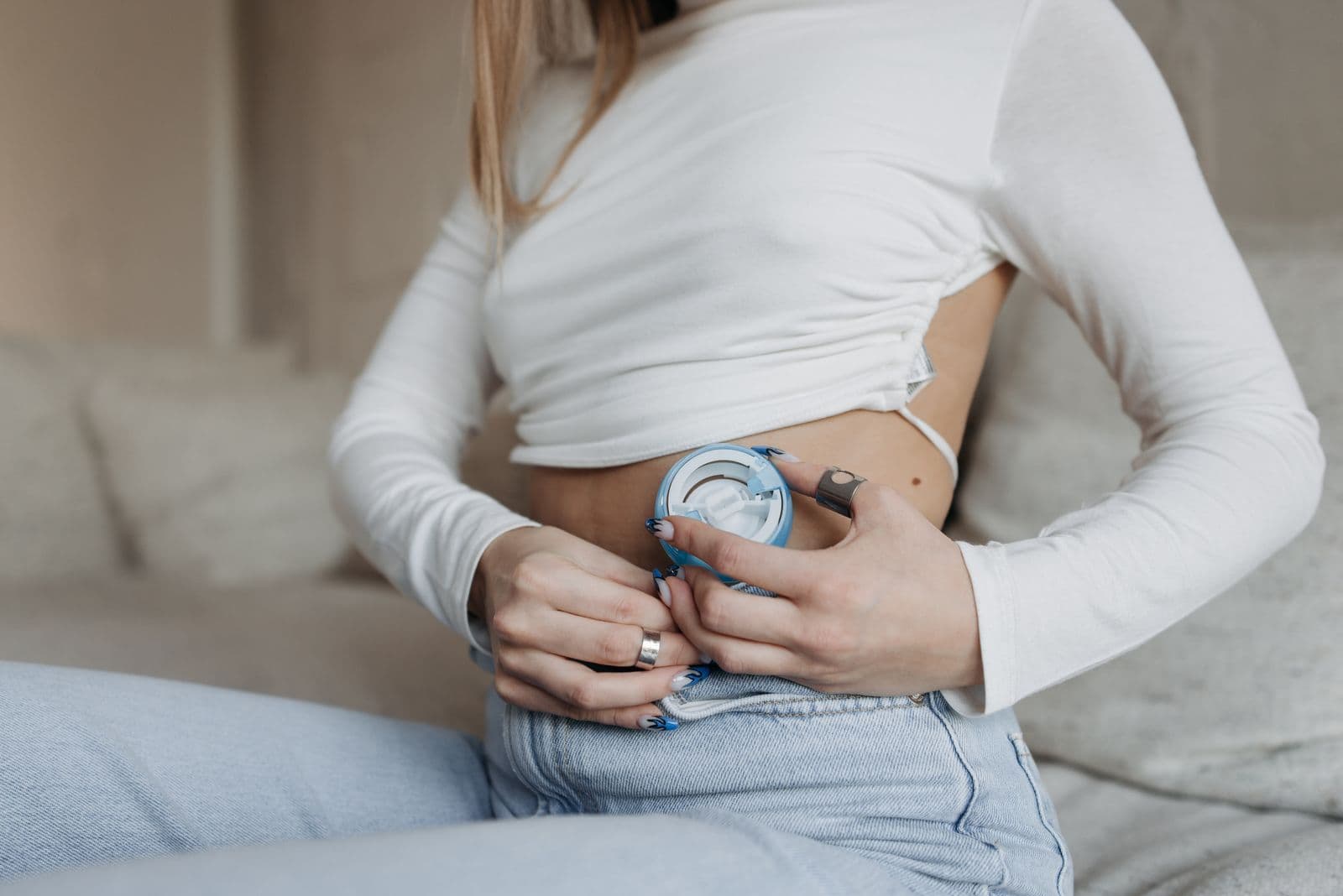
Insulin pump health insurance is best checked before the equipment is ordered, with the clinical team and insurer looking at the same proposed device and treatment setting. The phrase “diabetes cover” is too broad to settle the claim. You need a written answer about the pump, associated care and ongoing supplies.
Quick answer
Insulin pump health insurance depends on the policy’s pump benefits, the proposed device, clinical circumstances and insurer approval. Hospital and outpatient supply are treated differently. Confirm waiting periods, replacement rules and any gap before ordering, and check pump consumables separately. Your diabetes team should guide the equipment and treatment decision, not the insurance category alone.
Insulin pump health insurance: start with the right category
PrivateHealth.gov.au’s tier table lists insulin pumps as a separate clinical category included in Gold minimum hospital cover. Lower-tier Plus products may include additional categories, so check the actual policy rather than assuming Gold is the only possible route.
Do not confuse the pump category with diabetes management. A policy can describe diabetes-related treatment without that resolving whether a particular pump supply or replacement is covered. Our clinical-category guide explains why the category wording matters.
Ask the insurer to identify the relevant inclusion, exclusion or restriction and how it applies to your proposed treatment. A sales summary saying “covered” is not yet a complete explanation of the benefit or your out-of-pocket amount.
Hospital treatment and outpatient supply are different
The Commonwealth Ombudsman’s pump factsheet distinguishes a pump supplied during appropriate hospital treatment from outpatient provision. An insurer’s obligation and its discretionary outpatient benefits are not identical. Some funds offer a pathway without hospital admission, but conditions vary.
Give the insurer the proposed setting and ask whether pre-approval is required. Do not book an admission merely because it appears easier to claim: the clinical team determines whether admission is medically appropriate. Insurance should support that decision, not create an unnecessary procedure or stay.
If the insurer and provider describe different pathways, ask them to resolve the discrepancy before a non-urgent purchase. Retain the approval, its validity period and any conditions about the supplier or device.
Build one funding checklist for several costs
A pump decision can involve more than the device price. Ask the clinical team and supplier for an itemised estimate so you know which costs are being discussed with each organisation.
| Cost or service | What to confirm |
|---|---|
| Pump device | Exact model, insurer eligibility and approved benefit |
| Hospital care, if clinically required | Agreement status, excess and accommodation cover |
| Medical fees | Medicare and insurer benefits plus any gap |
| Education or outpatient appointments | Whether a separate benefit or payment applies |
| Recurring consumables | NDSS eligibility, product and member contribution |
| Future repair or replacement | Warranty and insurer rules, checked separately |
This table is a conversation checklist, not a statement that every item is claimable. Ask each party to specify what its quote excludes as well as what it includes.
Get approval for the actual device
The NDSS pump information recommends involving the diabetes specialist and educator in accessing equipment. Clinical suitability, compatibility and training needs belong with that team. This guide does not recommend a pump brand or treatment change.
Ask what documentation the insurer needs from the specialist, hospital and supplier. It may include clinical information and device details. Send it through a verified channel, and avoid assuming a previous pump approval applies to a different product or replacement request.
When approval arrives, check the patient, device, supplier, setting, benefit and expiry. If the quote changes, ask whether approval must be updated. A short confirmation call before ordering can prevent a costly disagreement after delivery.
Waiting periods need a dated answer
If you have recently joined, upgraded or changed funds, ask when the relevant benefit becomes available. The Ombudsman explains that a pre-existing-condition waiting period can apply. An established membership does not necessarily mean a newly added category is available immediately.
Use our health-insurance waiting-period guide for the general framework, then obtain the insurer’s decision for your circumstances. Keep the date separate from an appointment booking or a manufacturer’s proposed delivery schedule.
Do not delay clinically necessary care while trying to optimise an insurance claim. Ask the treating team about safe available options if funding is not yet confirmed. Any temporary supply arrangement needs its own eligibility, cost and return conditions checked.
Replacement is not the same as warranty
A manufacturer warranty addresses specified faults under its terms. An insurer’s replacement benefit addresses eligibility for another funded device. The end of a warranty does not, by itself, guarantee a replacement claim, and a fault does not mean the insurer is automatically the first payer.
Record the date of the previous supply and claim, the current problem and any manufacturer response. Ask the fund for its replacement interval and whether clinical or technical documentation is required. The Ombudsman notes that intervals vary; avoid treating a commonly mentioned number of years as universal.
If the device fails, contact your diabetes team promptly about treatment continuity. Deal with funding and warranty in parallel with clinical advice, not as a reason to postpone it.
Consumables and monitoring need separate checks
NDSS consumables information describes subsidised access for eligible people with type 1 diabetes. The pump itself, infusion supplies, pods and glucose-monitoring products can involve different arrangements. Registration or funding for one item does not automatically establish every other benefit.
Ask the team to estimate recurring costs for the proposed setup and confirm current product eligibility. Do not rely on a general social-media claim that insurance “covers the whole system”. A one-off device benefit and ongoing supplies can follow different rules.
Build a monthly budget using confirmed contributions and the clinician’s expected supply requirements. Keep this separate from the annual insurance premium so neither cost disappears from the comparison.
Compare cover without turning it into a device recommendation
When comparing health insurance, consider the whole policy and household needs as well as pump benefits. A higher premium may buy other cover you need, or it may not be justified solely by an assumed replacement entitlement.
The useful final record is a written benefit decision, an itemised quote, the waiting-period position and a plan for recurring costs. The CompareUs Editorial Team reviewed the official information on 29 September 2026. This is funding guidance, not medical advice; your diabetes team should guide treatment and equipment choices.
Where should you go next?
FAQs
Does all hospital insurance cover insulin pumps?
No. The insulin pumps clinical category is included in Gold minimum cover, while some lower-tier Plus policies may include it. Read the actual policy and obtain a device-specific benefit decision. Diabetes management cover is not a substitute for checking the separate pump category.
Must I be admitted to hospital to receive a benefit?
Not necessarily. Some funds offer outpatient pump benefits, but they are not universally required to do so. A hospital admission should be clinically necessary, not arranged solely to obtain insurance funding. Confirm the appropriate pathway with the clinical team and insurer.
Will the insurer replace my pump every four years?
Do not assume that. Replacement conditions and intervals vary, and clinical need or other requirements may apply. Ask for the policy rule, the date of your previous claim and written confirmation before ordering a replacement.
Are infusion sets and other consumables included with the pump claim?
Not automatically. Eligible people with type 1 diabetes may access subsidised consumables through the NDSS. Check the exact product, registration and current access conditions separately from the insurer’s pump benefit.
Can I claim immediately after upgrading?
A waiting period may apply to newly added or increased cover. The Ombudsman notes that a pre-existing-condition waiting period can be relevant. Obtain a dated eligibility decision rather than assuming an existing membership removes every wait.
What should I do if the pump fails before replacement is allowed?
Contact your diabetes team promptly for clinical guidance and the manufacturer about its fault or warranty process. Ask the insurer about any applicable repair or replacement pathway. Do not wait for an insurance dispute to be resolved before seeking advice about safe treatment.