
International Calls vs Roaming vs Travel eSIMs
A practical guide to three commonly confused mobile choices: international calls, roaming and travel eSIM data for Australians.
CompareUs Editorial TeamConsumer utilities editorial team
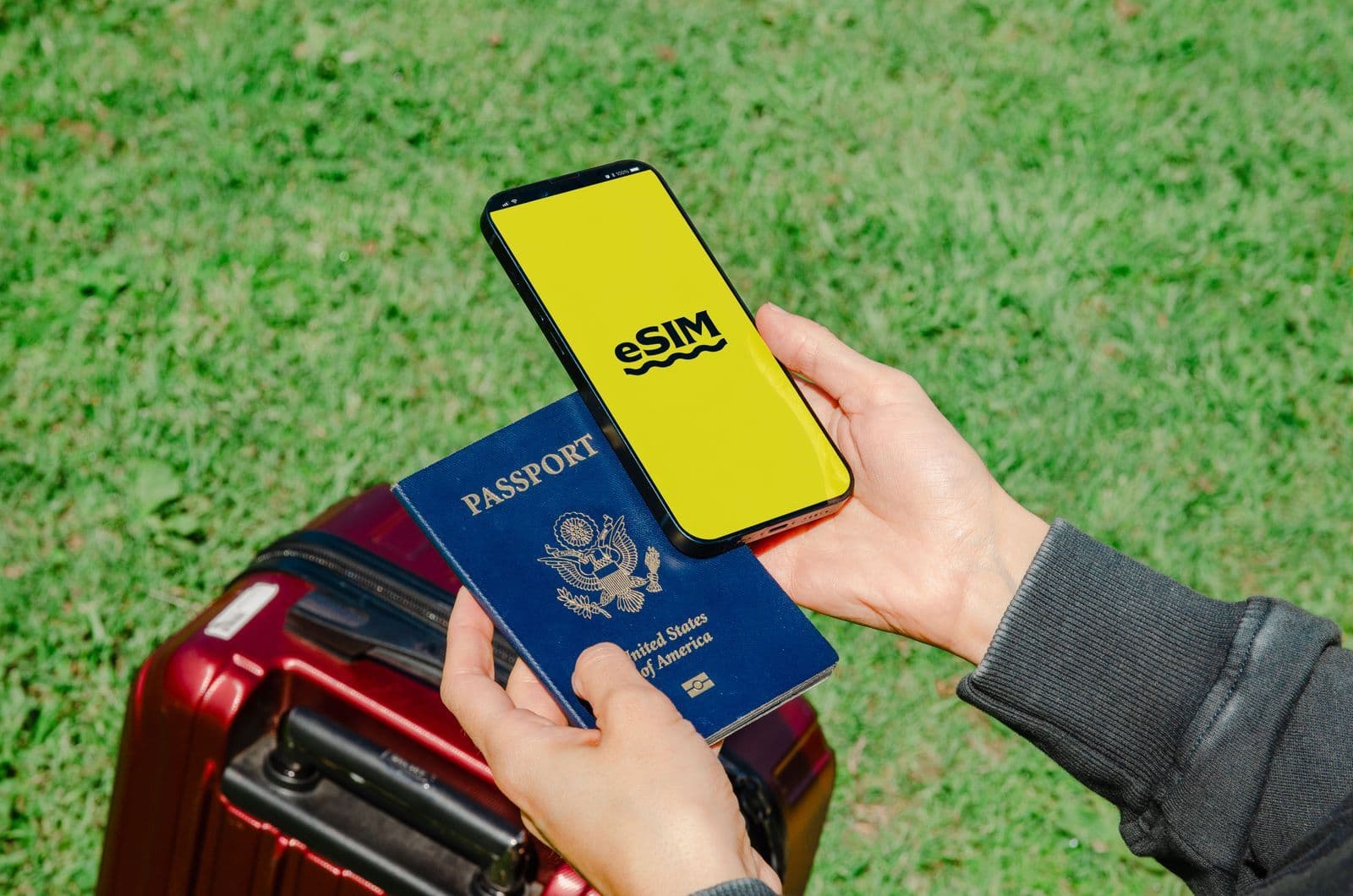
International calls vs roaming is a comparison between different activities. International calling usually means contacting an overseas number while the caller remains in Australia. Roaming means using an Australian mobile service on a foreign network while travelling. A travel eSIM usually supplies data in the destination and may not replace the home number, ordinary calls or banking SMS.
Quick answer
Use international-call inclusions when calling overseas from Australia. For travel, compare the home provider's roaming pass with a local SIM or travel eSIM by destination, trip length, data, calls, hotspot use and activation. Keep the Australian SIM available for important SMS only after checking whether receiving messages and accidental roaming can create charges.
Key points
- Calling another country from Australia is not international roaming.
- A data-only travel eSIM may not include a phone number, calls or SMS.
- Dual-SIM setup can preserve the Australian number while mobile data uses the travel service.
- Background data, voicemail and cruise or satellite networks can create unexpected roaming costs.
- Destination coverage, phone compatibility and activation instructions should be checked before departure.
International calls vs roaming: define the job first
A plan's international-call list applies when the device is connected to its Australian service and calls an eligible overseas destination. Countries, number types, minute limits and fair-use rules can differ. It says nothing by itself about using the phone overseas. Conversely, a roaming inclusion can cover selected destinations and usage abroad without including calls from Australia to those countries.
A travel eSIM is a digital SIM profile purchased for a trip. Many products are data-only and route traffic through partner networks. A local carrier SIM may offer a local number and domestic inclusions. The phone must be compatible and unlocked, and the traveller needs a reliable way to install, activate and troubleshoot the service—preferably before leaving dependable Wi-Fi.
| Option | Main job | Watch for |
|---|---|---|
| International calls inclusion | Call overseas while in Australia | Eligible countries, minutes and number types |
| Home-provider roaming pass | Use familiar number and service abroad | Destination zones, daily trigger and data limit |
| Travel eSIM | Destination mobile data | Data-only service, validity and phone support |
| Local prepaid SIM | Local number, calls and data | ID rules, language, top-up and number change |
| Wi-Fi apps | Calls and messages over internet | Wi-Fi quality, app accounts and emergency limits |
What matters most when comparing your options
Destination and trip length
List every country, transit stop, cruise segment and number of charged travel days before comparing a pass or eSIM. A low daily rate can become expensive on a long trip, while regional eSIM coverage may exclude a stop that triggers home-provider roaming.
A useful test is to ask: What is the maximum total cost across the complete itinerary, including accidental or partial days? Write the answer down in the same units for every option. That small discipline prevents a prominent headline, introductory discount or theoretical maximum from crowding out the detail that will shape the household's real result.
Number, calls and SMS
Decide whether the traveller must make ordinary calls, receive banking SMS, keep the Australian number reachable or use a local number. A data-only travel eSIM can support app calls but cannot by itself receive SMS addressed to the Australian SIM.
A useful test is to ask: Which essential service fails if only mobile data is available? Write the answer down in the same units for every option. That small discipline prevents a prominent headline, introductory discount or theoretical maximum from crowding out the detail that will shape the household's real result.
Phone and dual-SIM compatibility
Confirm the exact handset supports the required eSIM, frequency bands and simultaneous SIM behaviour and is not network-locked. An eSIM-capable model can still have regional variants or settings that affect activation, preferred data line and roaming control.
A useful test is to ask: Can this exact phone keep the home SIM active while forcing data through the travel service? Write the answer down in the same units for every option. That small discipline prevents a prominent headline, introductory discount or theoretical maximum from crowding out the detail that will shape the household's real result.
Activation and spend controls
Install profiles, save QR codes securely, download offline maps and learn how to disable data roaming and automatic network switching before departure. Setup mistakes and background traffic can trigger a roaming day or leave the traveller offline when support and Wi-Fi are hardest to reach.
A useful test is to ask: What is the tested fallback if the chosen service does not attach after arrival? Write the answer down in the same units for every option. That small discipline prevents a prominent headline, introductory discount or theoretical maximum from crowding out the detail that will shape the household's real result.
Calling overseas from Australia
Check the plan's eligible destination list and whether it covers fixed lines, mobiles or both. Unlimited claims remain subject to standard-number and fair-use definitions. Calls to satellite, premium or special services can be excluded. Messaging and video calls through apps use data instead and require the recipient to use the same or compatible service.
If international calls are occasional, compare a paid add-on, casual rate and internet calling rather than upgrading permanently. Save the current CIS because country groups and inclusions change. Dial numbers in international format so saved contacts work consistently after travel.
Using two SIMs while travelling
A common arrangement keeps the Australian SIM enabled for its number while making the travel eSIM the preferred mobile-data line. Turn off data roaming for the home service and disable automatic data switching if the phone could fall back to it. Check the provider's rules for receiving SMS abroad and remember that answering calls, retrieving voicemail or sending messages may be chargeable.
Test which line is selected for calls and messages. Label both plans clearly and store the provider apps and support details offline. Removing an eSIM can make reinstallation difficult if the QR code is single-use, so do not delete it during ordinary troubleshooting without instructions.
Avoiding roaming bill shock
ACMA rules require roaming cost information and usage notifications, but reporting delays can occur. Check whether roaming is automatically enabled and whether a pass activates from any data, call, sent message or voicemail event. Disable background app updates, cloud backups and mobile data before the aircraft lands if the travel service is not ready.
Cruise ships, aircraft and satellite networks require special caution because ordinary destination packs may not apply. Use flight mode and ship Wi-Fi where appropriate, and confirm charges with both providers. If a bill appears incorrect, complain to the telco promptly and escalate unresolved disputes through the Telecommunications Industry Ombudsman.
Which option suits which household?
There is no universally best choice. The stronger option is the one that fits the household's location, equipment, usage pattern, appetite for complexity and likely behaviour after any introductory period. These scenarios are a decision aid, not a product ranking.
| Household or situation | Likely starting point | Why |
|---|---|---|
| Person calling family overseas from Australia | International-call inclusion or app calling | Roaming is irrelevant while the caller remains on the Australian network. |
| Short trip needing the usual number | Price a roaming pass | Convenience may justify a bounded daily cost. |
| Long data-heavy trip | Compare travel eSIM and local SIM | Destination data can cost less than repeated roaming days. |
| Traveller reliant on banking SMS | Dual-SIM plan with home number retained | A data-only eSIM cannot receive messages sent to the home number. |
A practical comparison process
Use the same assumptions for every option and keep a copy of the plan summary, Critical Information Summary or offer terms you relied on. Online prices and eligibility settings change; a dated record makes it much easier to check the first bill or challenge a mismatch.
- Separate calls from Australia from usage while overseas.
- List destinations, travel days, data needs, calls and essential SMS.
- Confirm exact phone, lock, eSIM and dual-SIM compatibility.
- Compare total roaming, travel eSIM and local SIM cost.
- Install and test settings, offline documents and a fallback before departure.
- Monitor provider alerts and disable unintended roaming paths.
Common mistakes to avoid
- Buying roaming for calls made from Australia.
- Assuming a travel eSIM includes a phone number.
- Leaving automatic data switching enabled on the home SIM.
- Deleting an eSIM profile before checking reinstall rules.
- Ignoring cruise, aircraft, voicemail and background-data charges.
The comparison should end with a defensible household decision, not the longest feature list. Recheck one-off costs, ongoing charges, speed or export constraints, cancellation conditions and what happens after a promotion. When two options remain close, favour the one whose conditions you understand and can realistically manage.
Bottom line
Choose from the task outward: international calls for contact from Australia, and roaming or a destination SIM for travel. Protect access to the home number without letting it become an uncontrolled data path. Review the ACMA's overseas mobile guidance before departure.
Related CompareUs resources
- compare internet plans
- CompareUs guides
- family mobile plan guide
- 365-day prepaid plan guide
- unlimited mobile data guide
Sources and editorial method
CompareUs reviewed current Australian regulator, government, network and provider material available on 28 July 2026. Product examples are included to explain how offers work, not as an endorsement or a permanent price promise. Check the provider's current terms and your address-specific eligibility before acting.
- ACMA — Using your mobile overseas — roaming notifications, spend controls, travel packs and bill-shock precautions
- ACMA — Critical Information Summaries — mandatory plan information, inclusions, limits, fees and roaming disclosure
- Apple Support — Use Dual SIM with an eSIM — official device example of line selection and dual-SIM operation
Where should you go next?
FAQs
Are international calls and roaming the same?
No. International calling is usually calling overseas from Australia; roaming is using your service on a foreign network while abroad.
Does a travel eSIM include calls and SMS?
Many are data-only. Check whether the product includes a number, voice or SMS before purchase.
Can I keep receiving texts on my Australian number?
Often with the home SIM active, but check roaming availability and charges and prevent it from using unintended mobile data.
Will a travel eSIM work in every phone?
No. The exact handset must support eSIM, relevant networks and bands, and it generally needs to be unlocked.
Can receiving a call overseas cost money?
It can. Check the home provider's roaming rates, pass triggers and voicemail treatment for the destination.
Is airport Wi-Fi enough to install an eSIM?
It may be, but installation before departure is safer when the provider permits it. Do not activate a validity period too early.