
Should You Keep Gas for Cooking Only?
A practical guide for households deciding whether a gas cooktop alone justifies keeping a gas connection.
CompareUs Editorial TeamConsumer utilities editorial team
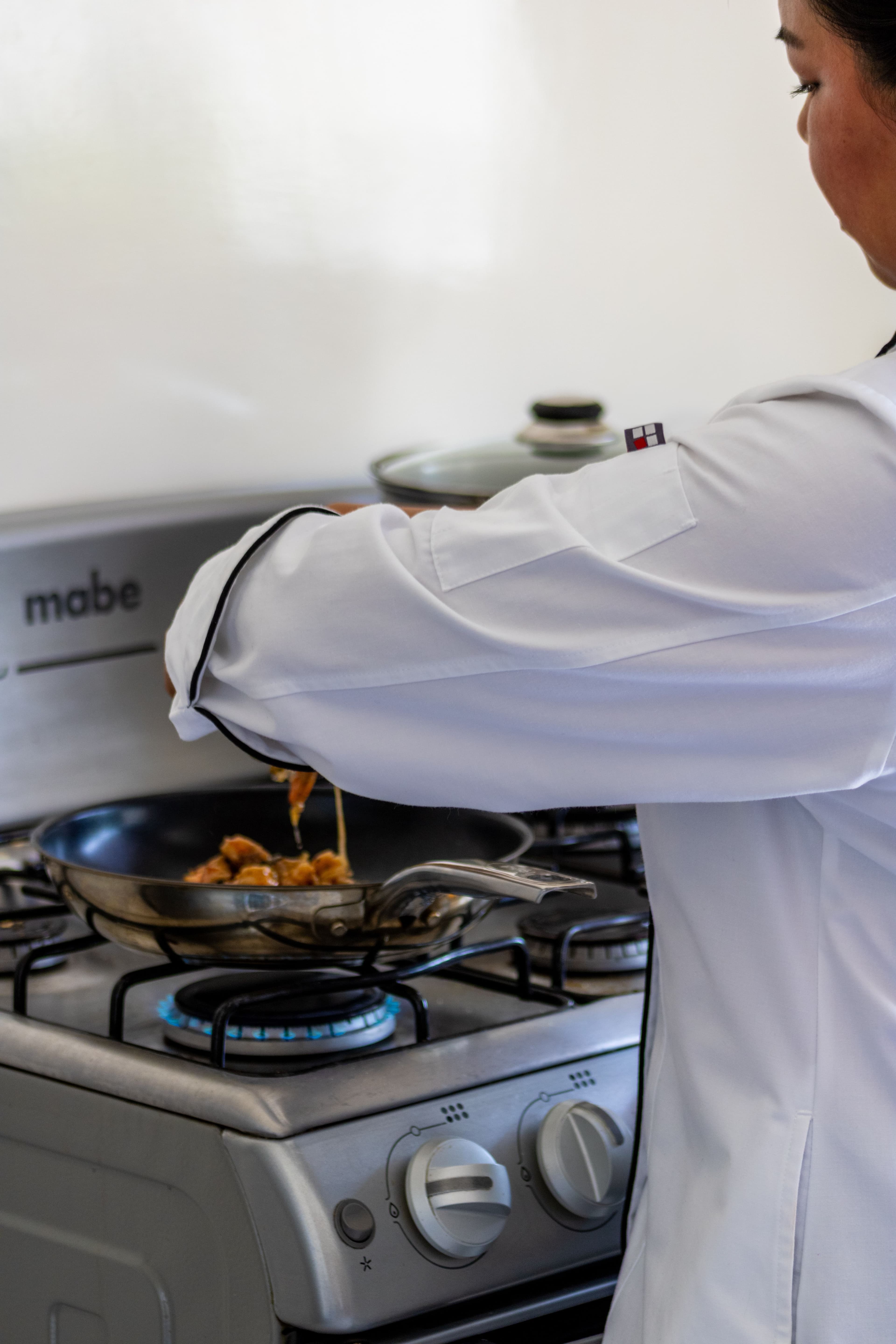
Quick answer: keep gas for cooking only
Deciding whether to keep gas for cooking only comes down to fixed cost and practicality. If your cooktop is the last gas appliance in the home, the daily gas supply charge may be a large part of the annual cost. The alternative is switching to electric or induction cooking and closing the gas account.
Why this question is becoming common
Many households electrify in stages. They replace gas ducted heating with reverse-cycle air conditioning, then replace gas hot water with a heat pump or electric system. After that, the gas cooktop can be the only appliance left on the gas account.
At that point, gas usage may be low, but the account can still attract a daily supply charge. That is why the decision is not only about cooking preference. It is about whether one appliance justifies keeping the gas connection active.
The fixed supply charge problem
Gas bills usually include usage charges and a daily supply charge. Usage is measured in megajoules. Supply charges are fixed daily charges for being connected.
If gas cooking is your only remaining gas use, usage charges may be modest. The fixed supply charge can become the bigger issue.
Check your bill for:
- daily supply charge;
- usage charge per MJ;
- block tariffs;
- discounts or fees;
- whether any hot water, heating or outdoor appliance still uses gas.
If the supply charge is most of the bill, closing the gas account may be worth considering once appliances are changed and the connection is safely disconnected or abolished.
Victoria's position on existing gas cooking
Victoria is the state where this question is most urgent. The Victorian Gas Substitution Roadmap says existing residential buildings are not required to remove existing gas cooking or space heating appliances. Victorians can continue to cook with an existing gas connection if they choose.
That means the decision is voluntary for most existing households. The policy direction is toward electrification, but an existing gas cooktop does not automatically have to be removed.
When keeping gas may make sense
Keeping gas for cooking may make sense if:
- the cooktop is new and works well;
- the gas supply charge is low enough to justify;
- wiring upgrades for induction would be expensive;
- you rent and cannot change the appliance;
- you strongly prefer gas cooking;
- other gas appliances are still used.
It can also make sense to wait if you plan a kitchen renovation soon. Replacing the cooktop during a renovation may be cheaper and neater than doing it separately.
When switching may make sense
Switching may make sense if:
- cooking is the only gas use left;
- the annual supply charge is high;
- the cooktop is old or due for replacement;
- you already have suitable electrical capacity;
- you want to remove combustion from the kitchen;
- you want one less utility account.
Induction is the common upgrade path, but it may require compatible cookware and electrical work.
Renters and apartment households
Renters usually cannot replace a fixed cooktop without the rental provider's approval. Apartment residents may also face body corporate, embedded network or building-services constraints.
If you rent, ask about appliance replacement at lease renewal or when a cooktop fails. In Victoria, new rental minimum standards from 2027 focus on heating, cooling, hot water, showerheads, insulation and draughtproofing. They do not create a general requirement to replace existing gas cooktops.
How to compare the numbers
Estimate:
- annual gas supply charge;
- annual gas usage for cooking;
- any account fees;
- cooktop replacement cost;
- electrical upgrade cost;
- expected remaining life of the gas cooktop.
Then compare the cost of keeping the account open against switching when the appliance reaches end of life.
Internal next steps
Compare gas plans at /gas, estimate gas usage at /calculators/gas-cost, read appliance replacement guidance at /guides/gas-hot-water-replacement, and check Victorian policy context at /guides/victorian-gas-rules-2026.
Sources
- Victorian Government: Gas Substitution Roadmap, https://www.energy.vic.gov.au/renewable-energy/victorias-gas-substitution-roadmap
- Victorian Government: Electric and efficiency standards for buildings, https://www.energy.vic.gov.au/households/electric-and-efficiency-standards-for-buildings
- Energy.gov.au: Electrification, https://www.energy.gov.au/households/electrification
Where should you go next?
FAQs
Is it worth keeping gas just for a cooktop?
It depends on your gas supply charge, cooking habits and the cost of changing to electric or induction cooking.
Does Victoria force existing homes to remove gas cooktops?
No. Victorian guidance says existing residential buildings can continue using existing gas cooking appliances.
What cost should I check first?
Check the daily gas supply charge, because it applies even if gas usage is low.
Can renters switch from gas cooking?
Usually renters need the rental provider's approval because a cooktop change affects fixtures and wiring.
Is induction the same as ordinary electric cooking?
No. Induction uses magnetic fields and compatible cookware. It is generally more responsive than older resistive electric cooktops.