
NBN New Development Charge for New Homes and Granny Flats
A practical guide to NBN new-development applications and charges for new homes, subdivisions, knock-down rebuilds, secondary dwellings and granny flats.
CompareUs Editorial TeamConsumer utilities editorial team
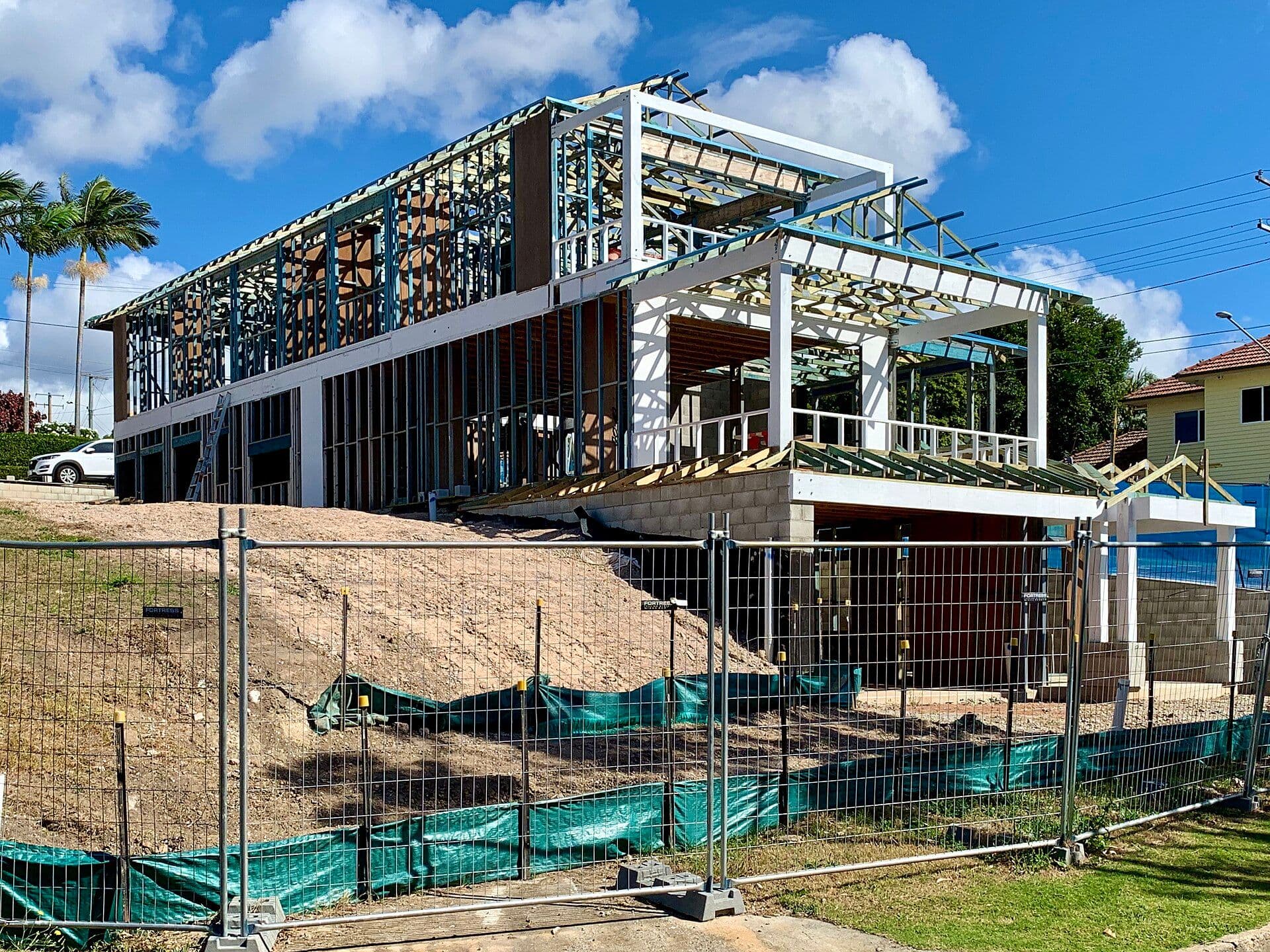
The NBN new development charge is a one-time end-user contribution that may apply when the first service is ordered at premises created through a new development. NBN's current FAQ says the contribution may be up to $300 including GST per premises. It is separate from developer infrastructure charges, internal cabling and a retail internet plan.
Quick answer
NBN may apply an end-user contribution of up to $300 including GST to the first service order for premises in a new development. The provider may pass it to the customer, or another party may pay it. Subdivisions, multiple-premises knock-down rebuilds and some granny-flat projects can require a new-development application, so start at least three months early.
Key takeaways
- The end-user contribution is generally attached to the first service order for the new premises.
- A developer may face separate network infrastructure charges and site-work responsibilities.
- A separate dwelling does not automatically receive a separate NBN location or service.
- NBN recommends at least three months' notice for small developments.
- Internal pathways and cabling within the property boundary remain the developer or owner's responsibility.
What the new development charge covers
Under the Australian Government's Telecommunications in New Developments Policy, NBN can charge for infrastructure supplied to new developments. NBN's FAQ describes a one-time end-user contribution of up to $300 including GST for each premises. Under the wholesale agreement it is generally applied to the phone or internet provider that submits the first service order, and the provider may pass it to the end user.
That contribution is not the complete cost of making a site ready. Developers may face separate NBN deployment charges. Builders and owners are responsible for compliant pathways and facilities within the property boundary. A retailer may also charge plan, modem, activation or technician fees under its own terms.
Which projects may need a new-development application
The pathway is relevant where a project creates new premises that need telecommunications service. Examples in NBN's guidance include subdivisions into multiple residential units and knock-down rebuilds where one house is replaced with more than one premises. Larger estates, apartment developments and commercial developments use the same broad new-developments framework at a different scale.
A simple one-for-one rebuild may have a different pathway from a project that creates an additional serviceable premises. Do not assume the old address record will automatically fit the completed development.
Granny flats and secondary dwellings
A granny flat can be physically separate without being recognised as a separate NBN premises. The outcome depends on addressing, planning approval, property arrangement, network design and whether an additional NBN location is approved. Some occupants can share the main dwelling's connection using correctly designed internal networking, while others need a genuinely separate service and account.
Decide the requirement early. If the secondary dwelling will be rented independently, separate billing, privacy, performance and access may matter. Ask the council about addressing and the NBN new-developments team about the network pathway rather than relying solely on a retail provider's address checker before construction is complete.
Subdivisions and knock-down rebuilds
When one lot becomes two or more, each intended premises needs a clear address and development plan. The NBN application may require plans showing boundaries, lots, building footprints, pathways and expected completion. Existing lead-ins may not be reusable or correctly positioned for the new layout.
For a knock-down rebuild that creates multiple premises, preserve and protect network assets where instructed, but do not assume one old service can simply be split. Coordinate demolition, civil works and NBN design to avoid re-excavating completed driveways or landscaping.
Application timing and sequence
NBN says small developments should provide a minimum of three months' notice before service connections are required. Treat that as a minimum, not a construction schedule guarantee. Complex civil works, incomplete information, address issues, third-party approvals or remediation can extend the timeline.
Apply when the plans and premises count are stable enough for assessment. Nominate a person responsible for responding to design questions. Keep the application reference and update NBN when the development changes.
Who applies and who pays
The developer, builder, owner or authorised representative normally manages the new-development application. Contract documents should state who pays NBN deployment charges, who installs pit-and-pipe or internal pathways, and who deals with defects. The future occupant may encounter the separate end-user contribution when ordering the first retail service.
Because NBN may recover that contribution from the provider or another party, ask the provider for an itemised explanation before paying. Confirm whether the address has already had its first service, whether the charge is the NBN end-user contribution and whether any provider fee is separate.
Property-boundary work
NBN states that infrastructure within the property boundary must be designed and built to its standards. Depending on the project, this can include lead-in pathways, conduits, pits, building-entry arrangements, communications rooms and internal pathways. A registered cabler is required for regulated customer cabling work.
Coordinate telecommunications with electricity, water, drainage and landscaping plans. A small saving from delaying conduit work can become an expensive excavation after concrete is poured. Photograph conduit routes and keep as-built information for the owner.
What the first occupant needs to do
Once the premises is ready for service and appears correctly in NBN systems, the occupant chooses a retail provider and orders a plan. The provider checks serviceability, submits the order and explains applicable charges. NBN does not sell retail broadband plans directly.
If the address is missing or incorrect, give the provider the new-development application reference, council-approved address and occupancy documents it requests. Avoid creating multiple informal address variations because that can complicate matching.
Development charge versus other NBN fees
The new-development end-user contribution is distinct from NBN's technology-change charges, subsequent-installation work, non-standard installations and provider fees. It is also distinct from the developer contribution for network infrastructure. Use the exact description on the quote or bill and ask which organisation levied it.
The current NBN FAQ says up to $300 including GST, but prices and policy can change. Check the current official page immediately before publishing contracts, tenant information or a project budget.
Avoiding connection delays
Confirm premises count and addressing with the council. Lodge early, provide complete plans, use current NBN standards and do not conceal or damage existing assets. Arrange internal cabling before walls close. Before handover, check that pathways are complete, labels are clear and the premises appears in the serviceability system.
For multiple dwellings, record which NBN location corresponds to which unit. Give each owner or tenant the correct address, application reference and equipment instructions. The NBN connection box or other installed equipment generally belongs with the premises and should not be removed when someone moves.
Internal resources
Compare service options on CompareUs internet, check an address with the NBN availability calculator, and review NBN connection box guidance before moving or handover.
Common NBN new-development scenarios
| Scenario | Likely issue | First action | Cost checkpoint |
|---|---|---|---|
| Single new home in a development | Premises may be a new NBN location | Confirm developer completion and serviceability | Ask provider whether the first-order end-user contribution applies |
| One lot subdivided into two | Additional premises and network design required | Apply as a small development at least three months early | Separate developer infrastructure charges from end-user contributions |
| Knock-down rebuild into multiple homes | Old connection may not match new premises | Coordinate demolition and new-development design | Budget for compliant pathways and each first service |
| Granny flat or secondary dwelling | May share the main service or need a separate approved location | Confirm addressing, intended occupancy and NBN pathway | Compare internal networking with a separate service and charge |
| Apartment or multi-unit project | Shared building infrastructure and many premises | Engage NBN new developments during design | Allocate developer, common-property and end-user costs contractually |
Action checklist
- Confirm the number of premises and approved addresses.
- Apply at least three months before services are needed.
- Keep the NBN application reference.
- Separate developer charges from the end-user contribution.
- Build property pathways to current NBN standards.
- Arrange registered cabling before walls close.
- Verify serviceability before handover.
- Give occupants the exact service address and equipment information.
Common mistakes
- Assuming a granny flat automatically receives a second NBN service.
- Waiting until occupants move in to lodge the application.
- Confusing the $300 end-user contribution with all project costs.
- Pouring concrete before pathways are approved and installed.
- Removing NBN connection equipment when moving.
Sources reviewed
- NBN New Developments FAQs - Current end-user contribution, scenarios, responsibilities and timing.
- NBN New Developments - Application pathway and development guidance.
- Australian Government Telecommunications in New Developments policy - Policy basis for infrastructure charging and provider responsibilities.
Where should you go next?
FAQs
How much is the NBN new development charge?
NBN's current FAQ says the one-time end-user contribution may be up to $300 including GST for each premises.
Who pays the NBN new development charge?
NBN generally charges the first ordering provider, which may pass it to the end user, or NBN may recover it from another party such as a developer or landlord.
Does a granny flat need a separate NBN connection?
Not always. It may share the main service through internal networking or require an approved separate premises and service, depending on the project.
When should I apply for NBN in a subdivision?
NBN recommends at least three months' notice for small developments. Apply earlier where design, civil works or addressing may be complex.
Is internal cabling included in the NBN charge?
No. Compliant pathways and customer cabling within the property are separate owner or developer responsibilities.
Can I order directly from NBN?
NBN manages the wholesale network. Occupants order an internet plan through a retail phone or internet provider.