
Self-Employed Home Loan Documents: A Practical Checklist
Prepare self-employed home loan documents with a checklist for income, tax records, business accounts and debts. Check lender requirements before you apply.
CompareUs Editorial TeamConsumer utilities editorial team
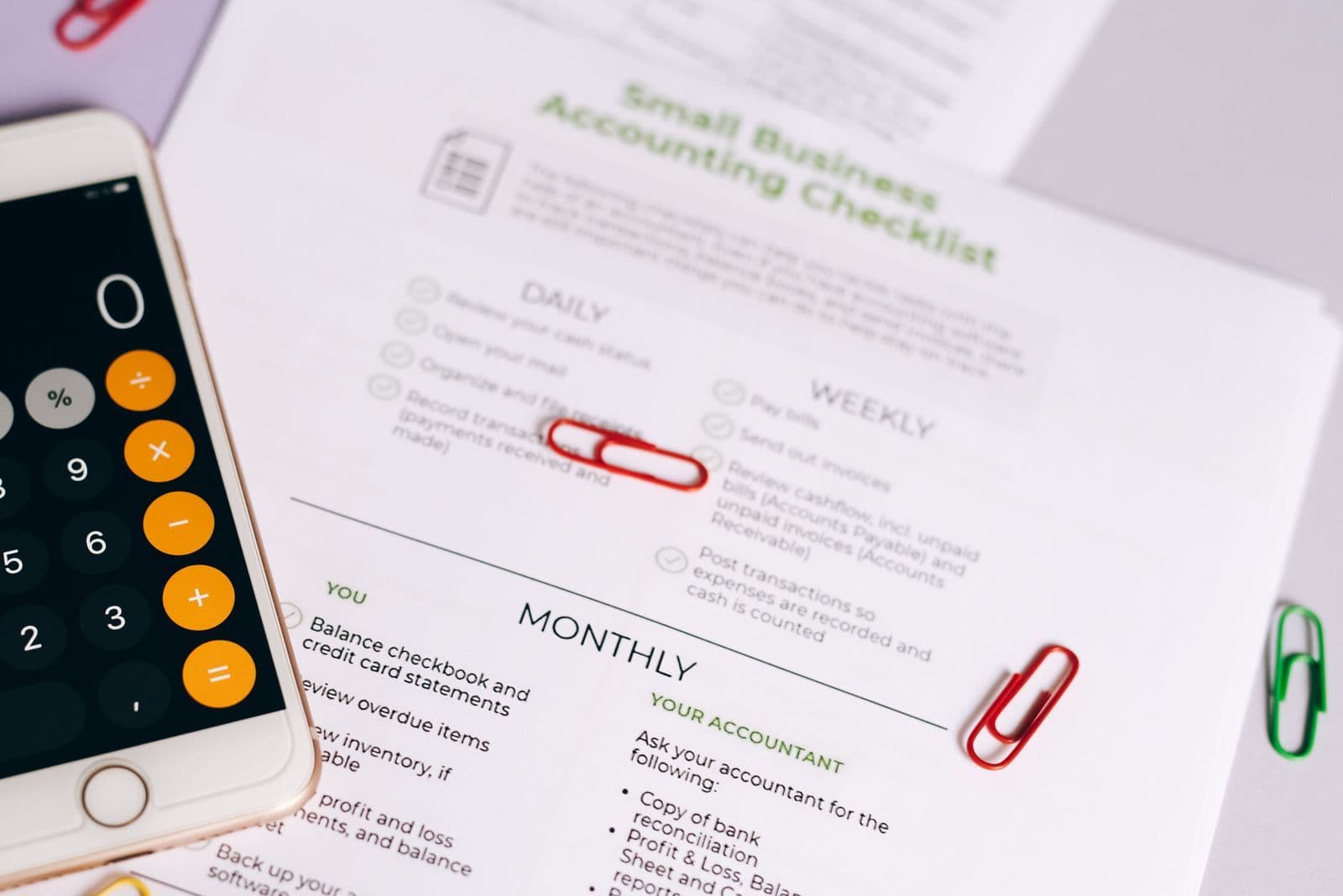
Self-employed home loan documents need to tell a coherent story: how the business earns money, what is available to you personally and whether repayments remain affordable. A pile of tax returns is less useful if the names, periods and figures do not connect. Start with the lender’s current checklist, then organise the evidence around your business structure.
Quick answer
Self-employed home loan documents need to show both your personal finances and the business income supporting repayments. Lenders may request tax returns, notices of assessment, financial statements, bank records and ownership information. Requirements vary by structure and lender, so obtain a current checklist before assuming everyone needs two years of accounts or qualifies for a streamlined process.
Self-employed home loan documents: ask for the right checklist
Tell the lender whether you are a sole trader, partner, company director, shareholder or beneficiary of a trust. Explain how long the business has operated, how you receive income and whether the application is a purchase or refinance. Those details can change what is requested.
CommBank’s self-employed refinance guidance lists business financial statements, personal and business tax returns, notices of assessment and account statements among the typical records. ANZ’s business-owner page describes requirements that vary by structure, including a separate streamlined pathway for eligible applicants.
The practical conclusion is not that one lender always needs fewer documents. It is that “two years of everything” is not a universal rule. Obtain a written, current checklist for the assessment route the lender actually proposes to use.
Separate personal and business evidence
Personal documents show who is applying, their assets, debts, expenses and income received. Business documents show the source and sustainability of income, ownership and commitments that may affect the applicant. Some records serve both purposes, but they should not be mixed without explanation.
| Evidence area | Documents the lender may request |
|---|---|
| Identity | Approved identification and address evidence |
| Personal taxable income | Individual tax returns and matching ATO notices of assessment |
| Business results | Relevant tax returns, profit-and-loss statements and balance sheets |
| Current trading | Business account statements or other requested current records |
| Ownership and structure | ABN/ACN and company, partnership or trust information |
| Personal commitments | Loans, credit cards, living expenses and dependant costs |
| Purchase or refinance | Deposit evidence, existing mortgage statements and property information |
This is an organising map, not a promise that every document is required or sufficient. The lender may request more evidence after reviewing the application.
Match the tax years and entities
Keep each individual return with the notice of assessment for the same year. Label business records by entity and financial period. A company’s accounts, a trust distribution and a director’s personal return may relate to the same income chain but are not interchangeable documents.
Check that the lender receives the final or lodged version it requires rather than an old draft. If the latest year is not yet lodged, ask what interim evidence is acceptable and when final records will be needed. Do not assume a spreadsheet you maintain is equivalent to an accountant-prepared statement.
If figures differ legitimately between records, ask your accountant to explain the reconciliation. A clear explanation of timing or accounting treatment is better than silently editing a document to make totals match.
Turnover, profit and personal income are different
Revenue received by the business is not automatically money available for mortgage repayments. Operating expenses, tax, debt obligations and ownership arrangements affect what can be paid to you. A large bank deposit may also represent a transfer or loan rather than trading income.
For a simplified hypothetical example, $240,000 turnover less $150,000 business expenses leaves $90,000 before other relevant adjustments and tax. That does not establish that a lender will accept $90,000 as your personal assessable income, especially where there are other owners or commitments.
Ask the lender how it treats the income streams you actually receive: salary, business profit, distributions or dividends. Do not double-count a salary and the same underlying business earnings when preparing your own borrowing estimate.
Company wages and streamlined pathways
Some lenders offer a different verification route for eligible directors or owners who receive a regular company wage. ANZ’s published page describes conditions involving the applicant’s role, wage history, business registration and specific income evidence, with further information possible.
That is a lender-specific example, not a shortcut available to everyone who writes themselves a payslip. Ask whether your ownership, income pattern and application type qualify, and whether the proposed loan has additional limits or conditions.
If you do not meet a streamlined pathway, ask about the standard assessment rather than assuming you cannot apply at all. Conversely, do not reorganise genuine income records solely to appear to fit a faster process without professional advice and accurate disclosure.
Show what is happening now
Historical tax documents may not capture a recent change in trading. Tell the lender about material changes such as a lost contract, a new major customer, seasonal demand or a shift in business structure. It may need current records as well as completed financial years.
Prepare a factual explanation supported by documents. A strong recent month does not necessarily prove a permanent increase, and a quiet month may need seasonal context. Let the lender assess the evidence rather than presenting a forecast as money already earned.
Where business income is variable, build your own household budget around a realistic pattern and a buffer. Moneysmart’s home-buying guidance emphasises affordability alongside borrowing capacity. The largest possible approval is not automatically a comfortable repayment commitment.
Include business debts and guarantees where requested
The lender may ask about business loans, overdrafts, tax liabilities, leases or guarantees as well as personal debts. Explain who is legally responsible and supply the requested statements. Do not omit a commitment merely because its payment comes from a business account.
Check credit-card limits, not just current balances, and provide accurate living expenses. If refinancing, include recent mortgage statements and the details of the loan being replaced. The lender needs to understand both existing obligations and the proposed change.
Our home loan refinancing costs guide helps separate application evidence from the financial case for switching. A well-documented application still needs a sensible cost comparison.
Alternative documentation is not no documentation
Moneysmart’s low-doc definition describes loans requiring less financial documentation than standard loans and notes that rates and restrictions can be less favourable. The lender still needs to assess the application under the relevant requirements.
If an alternative-document pathway is proposed, ask exactly what evidence substitutes for the usual records, what rate and fees apply, and whether features or maximum borrowing differ. Compare the actual product rather than assuming “low-doc” is either automatically unsuitable or an easy approval.
Never invent income, alter bank statements or ask an accountant to sign an unsupported declaration. A slower application with accurate evidence is preferable to a loan based on information you cannot substantiate.
Organise a secure application folder
Use clear filenames showing the entity, document type and period. Keep an index of what has been supplied, when and through which channel. This reduces duplicate requests and helps you see whether a missing item is actually a different year or entity.
Submit through the lender’s verified secure process. Independently confirm unexpected requests for sensitive documents or changed contact details. You should not need to provide internet-banking passwords or one-time security codes as part of an ordinary document upload.
If a broker or accountant is helping, confirm their authority and which documents they will send. Keep copies of the application information so you can check it before submission and answer later questions consistently.
A final check before applying
Confirm that identity, entity names, dates and ownership information are consistent. Ask whether any records are too old for the lender’s process. Make sure the requested loan amount and purpose match your actual plans.
Then distinguish a document-complete application from an approved loan. The lender still needs to assess affordability, credit and the property. Our pre-approval guide explains the remaining conditions, while comparison rate versus interest rate helps assess the proposed price.
If a requirement cannot be met, ask what alternatives the lender accepts and whether waiting for another completed period would materially change the application. Obtain professional advice where business or tax decisions are involved rather than changing those arrangements solely for a mortgage checklist.
Sources and review
The CompareUs Editorial Team checked CommBank, ANZ and Moneysmart material on 28 September 2026. Requirements vary and may change. This is general information, not a guarantee of approval or personal accounting, tax or credit advice.
Where should you go next?
FAQs
Do all self-employed applicants need two years of tax returns?
No universal checklist applies. Requirements vary by lender, business structure and assessment pathway. ANZ, for example, describes different standard and streamlined requirements. Ask for the current checklist relevant to you.
Is business turnover the income I can borrow against?
Not automatically. Business expenses, tax, ownership, distributions and other commitments affect the income available and accepted by a lender. Turnover alone does not establish personal repayment capacity.
Can a company director use payslips?
Some lenders offer a streamlined pathway for eligible business owners paid a regular wage, but additional conditions and evidence apply. Being paid a salary does not automatically mean the lender treats you like an unrelated employee.
Does low-doc mean no income verification?
No. It refers to a different or reduced documentation approach, not permission to invent income. Moneysmart notes that low-doc loans can have higher rates and restrictive terms.
Should I send business records by ordinary email?
Use the lender’s verified secure submission method and confirm the recipient. Do not provide account passwords, banking security codes or unrelated personal information just to complete a document checklist.
Can an accountant guarantee approval?
No. An accountant can prepare and explain accurate records, but the lender decides whether the evidence and loan meet its criteria. Do not ask anyone to certify income they cannot substantiate.