
Solar Sharer Offer Explained: Free Midday Electricity
A practical guide to the Solar Sharer Offer for households in NSW, South East Queensland and South Australia.
CompareUs Editorial TeamConsumer utilities editorial team
Quick answer: Solar Sharer Offer
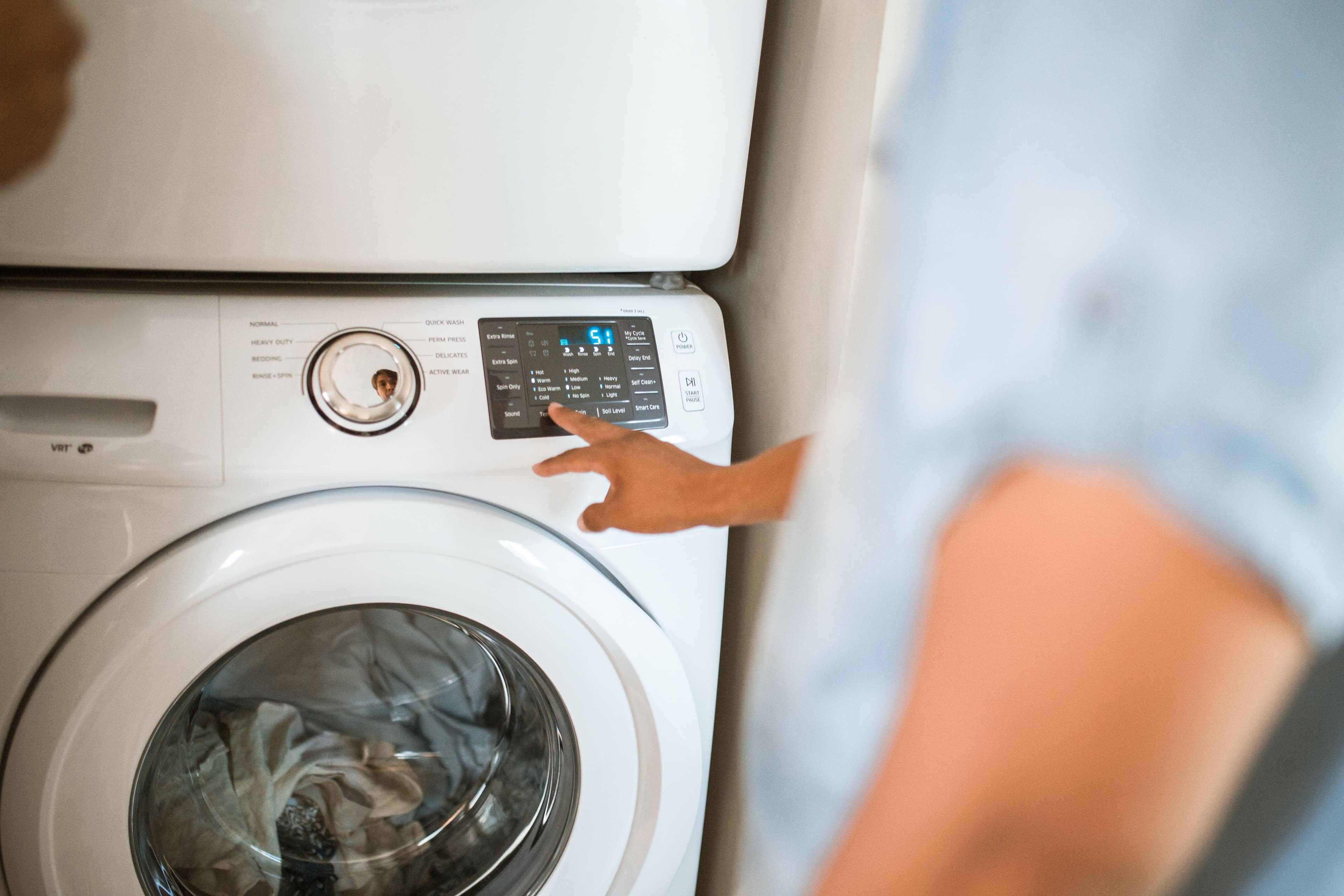
The Solar Sharer Offer is a new regulated electricity option for eligible households in Default Market Offer areas. It gives a free electricity period each day when solar generation is usually high. The offer may suit homes that can move washing, dishwashing, hot water, pool pumps, EV charging or some cooling into the midday window.
It is not automatically the best plan for every home. The free period is only one part of the tariff. You still need to compare the daily supply charge, usage rates outside the free period, any controlled load or solar terms, and whether your routine actually lets you shift enough usage.
What changed on 1 July 2026?
The Australian Government introduced the Solar Sharer Offer as part of Default Market Offer reforms. The DMO is the regulated electricity safety-net price for households and small businesses in New South Wales, South Australia and South East Queensland.
The Solar Sharer Offer is designed to let more households use electricity during the middle of the day, when rooftop solar generation is abundant. Unlike a solar feed-in tariff, it is not only for homes with panels. Renters and homeowners can both be eligible if the other conditions are met.
The official free-power windows are:
- NSW: 11am to 2pm
- South East Queensland: 11am to 2pm
- South Australia: 12pm to 3pm
The free usage is capped at up to 24 kWh during the daily window. That is a high allowance for most ordinary daytime appliance use, but the full plan still matters because electricity used outside the window is charged under the plan's other tariff settings.
Solar Sharer Offer eligibility
You may be eligible if you:
- live in NSW, South Australia or South East Queensland;
- have a residential electricity account;
- have a smart meter installed;
- are supplied by a retailer that is required to offer the Solar Sharer Offer;
- are not supplied through an embedded network.
You do not need rooftop solar. That is the main consumer hook: the offer is intended to share some of the value of midday solar generation with households that do not own panels.
If you do not have a smart meter, ask your retailer whether one can be installed and whether any fees, appointment steps or tariff changes apply. A smart meter can make more plan types available, but it can also change the way your usage is measured, so review the tariff before agreeing.
Who is likely to benefit?
The Solar Sharer Offer is more likely to suit households that can move real consumption into the free window. Good candidates include:
- people who work from home during the day;
- households that can run washing machines and dishwashers around midday;
- homes with timers on hot water, pool pumps or EV charging;
- renters without solar who still want access to a daytime free-power product;
- retirees or shift workers who are home during the day.
It may be less useful if most of your consumption happens before work, after school or in the evening peak. A household that uses very little power in the free window may pay more overall if the supply charge or usage rates outside the window are higher than a competing market offer.
What to compare before opting in
Do not compare the Solar Sharer Offer by the free-power period alone. Check:
- daily supply charge;
- peak, off-peak or shoulder rates outside the free window;
- the price that applies if you exceed the 24 kWh free allowance;
- controlled load rates for electric hot water;
- solar feed-in tariff settings if you already export solar;
- whether the offer is a standing offer or whether a cheaper market offer is available;
- your usage pattern from a recent bill or smart-meter data.
The right test is whole-bill cost. If you shift the dishwasher and washing machine but most heating, cooling and cooking still happens at night, the free window may only affect a small portion of your annual spend.
Solar homes should be careful
Solar households should compare import savings against export value. If you already self-consume solar during the day, a free import window may be less valuable than it looks because your panels may already be covering those appliances. If you export less because you shift more load into the window, your feed-in credits may also change.
That does not mean solar homes should avoid the offer. It means they should compare the net result: imports, exports, supply charge and usage outside the window.
How to switch
- Check whether your postcode is in NSW, South Australia or South East Queensland.
- Confirm whether your home has a smart meter.
- Ask your retailer whether it offers the Solar Sharer Offer.
- Compare the Solar Sharer Offer against your current plan using a recent bill.
- Check whether appliances can be safely shifted into the free window.
- Opt in only if the full plan suits your routine.
- Review your next two bills to confirm the expected pattern appears.
Common mistakes
The biggest mistake is assuming "free electricity" means a free bill. It does not. You still pay the daily supply charge and usage outside the window.
Another mistake is switching without checking appliance timing. Running a washing machine at midday is easy. Moving winter heating or family dinner cooking is harder. The more your usage remains outside the window, the more important the rest of the tariff becomes.
Internal next steps
Use CompareUs to compare electricity plans at /electricity, estimate usage with /calculators/electricity-cost, and read more guides at /guides.
Sources
- Energy.gov.au: Solar Sharer Offer, https://www.energy.gov.au/rebates/solar-sharer-offer
- Energy.gov.au: New energy plan with daily window of free electricity, https://www.energy.gov.au/news/new-energy-plan-daily-window-free-electricity
- DCCEEW: Default Market Offer, https://www.dcceew.gov.au/energy/programs/default-market-offer
- AER: Final Default Market Offer 2026-27, https://www.aer.gov.au/news/articles/news-releases/aer-releases-final-default-market-offer-2026-27
Where should you go next?
FAQs
What is the Solar Sharer Offer?
It is a regulated electricity offer that gives eligible households three hours of free electricity in the middle of each day.
Where is the Solar Sharer Offer available?
It is available in Default Market Offer regions: NSW, South Australia and South East Queensland.
Do I need solar panels?
No. The offer is available to eligible households even if they do not have rooftop solar.
Do I need a smart meter?
Yes. The offer requires a smart meter because usage must be measured by time of day.
Can renters use the Solar Sharer Offer?
Yes, renters can be eligible if the home meets the other requirements and is not in an excluded embedded network.
Is all my electricity free during the window?
Eligible households can access up to 24 kWh free during the daily window. Charges can apply outside the window and may apply above the daily free allowance.
Should solar households switch?
Solar households should compare the whole bill, including feed-in credits and existing self-consumption, before switching.