
Spring Solar Check-Up: Prepare Your Panels for Brighter Days
A safe, practical solar-system review for households heading from winter into stronger spring generation.
CompareUs Editorial TeamConsumer utilities editorial team
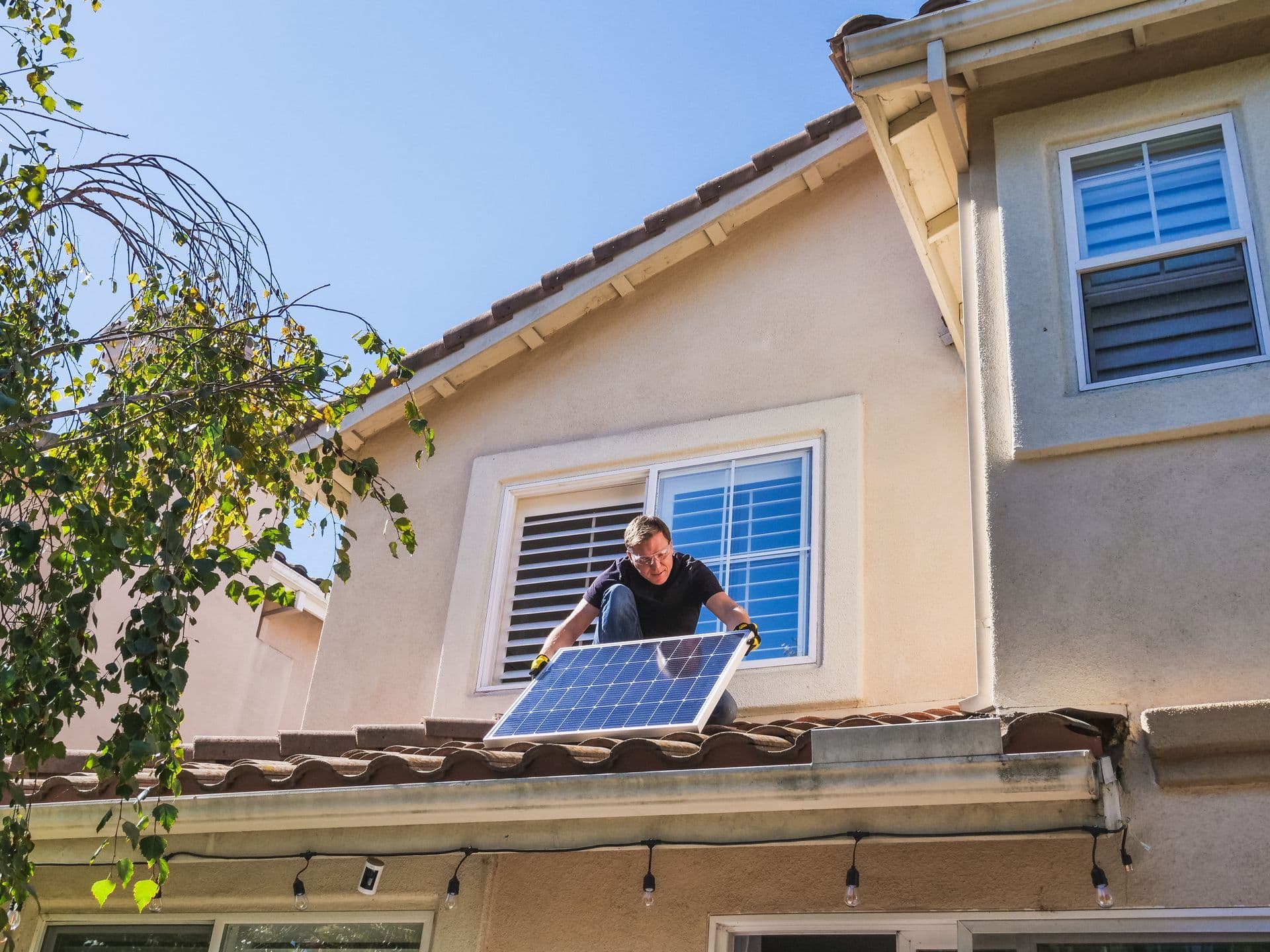
A solar system check before spring Australia households can complete begins on the ground, not on the roof. Monitoring data, inverter alerts, bills, visible shading and warranty documents reveal a great deal without exposing anyone to live electrical equipment or a fall risk.
The Australian Government Solar Consumer Guide says solar and battery systems need relatively little maintenance, but regular monitoring and appropriately qualified servicing help identify faults. Spring is also a useful time to review the electricity plan because rising exports can change which tariff features matter.
Quick answer
Before spring, review solar monitoring for unexpectedly low output on clear days, check inverter alerts, compare generation and exports with earlier periods, inspect visible shading from the ground and confirm warranty contacts. Follow the maintenance schedule and use an accredited installer or qualified electrician for inspection, cleaning or repair. Never climb onto the roof or open equipment yourself.
Key takeaways
- Start with monitoring and bills.
- Season and weather explain some output variation.
- Clear-day underperformance or fault codes need investigation.
- Roof, inverter and battery repairs are not DIY work.
- Review import rates as carefully as the feed-in tariff.
Solar system check before spring Australia: start with monitoring
Open the inverter or monitoring portal and compare clear days with similar clear days from the previous year where data is available. Do not compare a sunny spring day with a cloudy winter day. Look for sudden changes, long gaps or repeated fault alerts.
If a battery is installed, check whether it charges and discharges as expected. A full battery at the wrong time can reflect settings rather than failure, so document the pattern before calling the installer.
What you can inspect safely
From the ground, look for new tree shading, obvious debris, storm damage or animals nesting near accessible areas. Check that monitoring communications still work and find the system documents, model numbers, installation date and warranties.
Do not climb onto a roof, hose electrical equipment, open isolators or remove covers. Even with mains power off, solar equipment can remain energised. The government guide says repairs require an accredited electrician.
Maintenance and warranty conversations
Follow the maintenance schedule supplied with the system. The government guide suggests a service could be carried out every two years, with an accredited installer or qualified electrician checking panels, cables, isolators, electrical components and fault history.
Contact the original retailer or installer first when warranty coverage may apply. Describe the evidence rather than diagnosing the fault yourself: alert code, date, weather, generation pattern and photos taken safely from the ground.
Review the electricity plan for spring
A higher feed-in tariff is attractive, but assess it alongside daily supply and import rates. A solar household that exports modestly and imports heavily after sunset can lose more on expensive imports than it gains from a premium export rate.
Compare with actual annual import and export data. Check caps, eligibility, battery conditions and benefit periods. If adding a battery, keep that as a separate ownership-cost decision rather than assuming the current plan proves the investment.
A worked household example
A household notices spring output is lower than the same clear-day pattern last year. Monitoring shows repeated inverter alerts rather than a smooth seasonal change. The owner stays off the roof, saves screenshots and calls the installer. After the fault is resolved, the family compares its plan using annual import and export data and finds a balanced tariff beats the highest advertised feed-in rate.
The example is deliberately a method rather than a savings promise. Rates, fees, appliance performance, climate and household routines differ. Replace the assumptions with figures from your own bills and written offers before making a decision.
How to check your own numbers
Start with at least two recent bills, and use four if your usage changes sharply between winter and summer. Record the number of billing days, fixed daily charge, usage units, usage rates, discounts, concessions, credits and whether the meter read was actual or estimated. For electricity, separate general usage, controlled load and solar exports. For gas, separate the fixed supply charge from usage measured in megajoules.
Do not compare one advertised rate in isolation. Ask for the retailer's current plan information, then calculate the likely annual result using the same usage assumptions for every option. A percentage below a reference price is useful context, but it is not a personalised bill forecast. Likewise, a sign-up credit is temporary and should be separated from the ongoing rates.
If an appliance decision is involved, compare ownership cost as well as energy cost. Include purchase and installation, finance, servicing, expected life, warranty, space, noise, safety work and any electrical-board or gas-network changes. The lowest running cost does not automatically produce the lowest total household cost.
Make the comparison fit real life
Numbers only help when their assumptions match the people living in the home. Note how many occupants are usually present, whether anyone works or studies from home, which rooms must remain comfortable, and whether energy use supports health, disability or life-support needs. A tariff that requires a family to move essential evening use may look efficient in a spreadsheet and fail in practice.
Separate flexible loads from non-negotiable ones. Laundry, dishwashing, EV charging and some hot-water schedules may move. Cooking, medical equipment, a baby's room and heating during occupied hours may not. Model the plan around the routine the household can sustain through a busy week, not an ideal day created for the calculation.
Then stress-test the choice. Ask what happens in a colder winter, a heatwave, school holidays, a period of working from home or after a temporary discount ends. For a technology purchase, ask what happens if the family moves or the equipment needs out-of-warranty work. A robust decision should remain acceptable when one optimistic assumption does not occur.
Finally, value simplicity and control. Some households are happy to monitor interval data and automate appliances. Others want a predictable plan with fewer moving parts. Neither preference is wrong. The best result is one the household understands, can maintain and can revisit when prices, routines or equipment change.
Your action checklist
- Review clear-day monitoring.
- Save inverter alerts.
- Check shading from the ground.
- Find warranties and model details.
- Book qualified maintenance when due.
- Compare import, supply and export rates together.
Questions worth asking before you commit
- Does this pattern indicate a fault?
- Is the work covered by warranty?
- What will the service include?
- Are you appropriately accredited or licensed?
- How does this plan price my actual imports and exports?
Ask for important answers in writing. Keep the plan summary, quote, rebate approval, appliance warranty and any installer compliance documents together. That small paper trail is valuable if a credit is missing, a bill is corrected later or the work does not match what was promised.
State, property and eligibility notes
Installer accreditation, distributed-energy rules, export limits and retailer solar offers vary. Use the relevant distributor and state scheme for connection or rebate questions, and the Australian Government Solar Consumer Guide for general system care.
Australia does not have one retail energy market. Rules and comparison tools differ across states and territories, and some households have limited retailer choice. Apartments, retirement villages, caravan parks and other embedded networks can also have different billing arrangements. Always check the current rule for the supply address rather than relying on advice written for another state.
Common mistakes to avoid
- Climbing onto the roof.
- Comparing output across unlike weather.
- Assuming dirt is the only cause of low generation.
- Choosing a plan solely by feed-in tariff.
When to compare, call or pause
Compare plans when a benefit period ends, prices change, a large bill arrives, you move, your household size changes or a major appliance is replaced. Call the retailer promptly if the bill looks wrong or payment is becoming difficult. Early contact creates more options than waiting for overdue notices.
Pause the decision if a salesperson is rushing you, the eligibility rules are unclear, the quote lacks model numbers or installation scope, or the promised saving cannot be reproduced from your own usage. For gas, electrical, solar and hot-water work, use appropriately qualified trades. Safety work is not a DIY saving opportunity.
How CompareUs can help
Use this guide to understand the decision, then compare current options for your address on the CompareUs electricity page. You can test your own usage in the electricity cost calculator and browse more CompareUs guides for related tariff, appliance, solar, concession and switching questions.
CompareUs does not assume one plan or technology is right for every household. Our editorial approach is to make the assumptions visible, separate temporary incentives from ongoing costs, and give readers a practical next step they can complete with their own bill or property information.
Sources reviewed
- Australian Government Solar Consumer Guide — look after your system — Monitoring, maintenance, warranty and electrical-safety guidance.
- Energy Made Easy — what's on your energy bill — Bill fields, charges, plan details and better-offer information.
- Australian Energy Regulator — Default Market Offer 2026–27 — Current DMO regions, comparison prices, tariff caps and Solar Sharer settings.
- Energy Made Easy — changing plans — Current consumer steps for comparing and changing retail energy plans.
Where should you go next?
FAQs
Should I clean solar panels myself?
Follow system guidance and use a qualified professional; roof and electrical risks make DIY cleaning unsafe.
How often should solar be serviced?
Follow the installer schedule; the government guide says a service could be conducted every two years.
Why is spring generation low?
Weather, shading, monitoring faults, inverter issues or equipment problems can contribute.
Can I turn solar equipment off safely?
Follow emergency and manufacturer instructions; do not open or work on energised equipment.
Should I choose the highest feed-in tariff?
Not automatically. Compare supply and import rates using actual data.
Who should repair the system?
An accredited installer or qualified electrician should perform repairs.