
Superloop vs Aussie Broadband: NBN Plans Compared
A practical, current comparison of Superloop and Aussie Broadband for Australian households choosing an NBN provider.
CompareUs Editorial TeamConsumer utilities editorial team
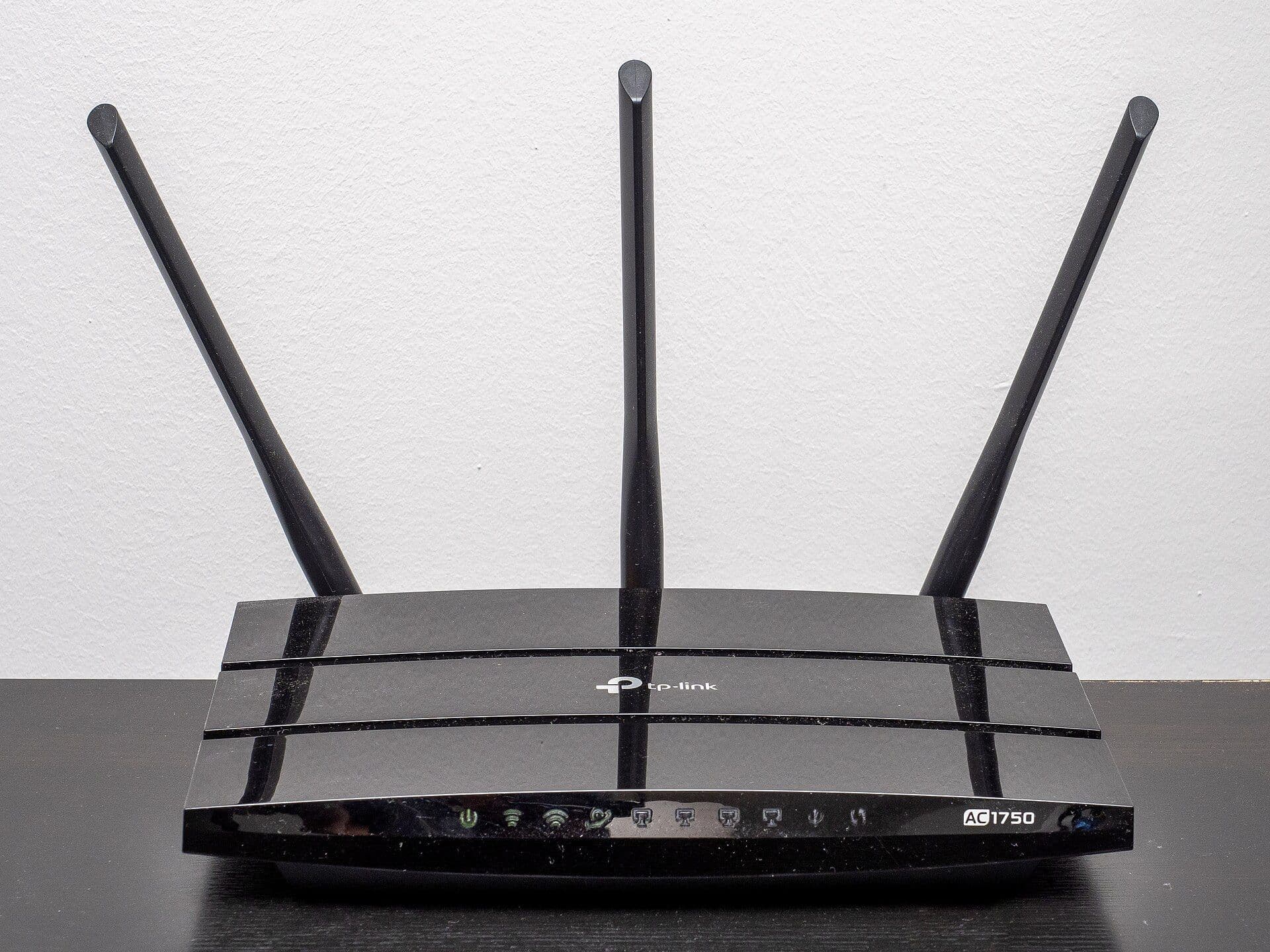
Superloop and Aussie Broadband both sit on the shortlist for people who want an NBN provider outside the largest telcos. The decision is less about finding a universal winner and more about deciding how much you value price, support, plan flexibility and high-speed features.
Plan details were checked on 5 September 2026. Promotions can move quickly, so this comparison focuses on the parts that remain useful after a sale banner changes.
The short answer
Superloop may suit a household that wants competitive high-speed options, is comfortable managing the service online and will read the promotional and hardware terms carefully. Aussie Broadband may suit someone prepared to weigh Australian-based support and detailed service information alongside price.
Compare both at the exact same address and speed tier. The cheaper headline offer is not a fair comparison if the ongoing price, upload speed or equipment terms differ.
Speed tiers and typical evening speeds
Both providers currently advertise residential plans from entry-level tiers through faster options at eligible premises. Aussie Broadband's public range includes accelerated 500 Mbps, gigabit and 2 Gbps plans. Superloop's current range includes 500, 750, 1000 and 2000 Mbps choices, alongside lower tiers.
Availability depends on the NBN technology at the address. The accelerated high-speed wholesale tiers are aimed at eligible FTTP and HFC services, and a provider may not sell every profile everywhere.
Compare the published typical evening download and upload figures, not just the maximum tier. The ACCC defines the residential busy period as 7pm to 11pm and explains why these labels help with like-for-like plan comparisons in its broadband speeds guidance.
Support and account management
Aussie Broadband prominently markets Australian-based support. That may be worth paying attention to if you prefer phone help, want clearer escalation or have a connection that has been troublesome in the past.
Superloop leans into speed and value positioning, with online account tools and selected plan features. A self-sufficient household may prefer that trade-off, but should still check support hours and the path for faults before moving.
Marketing cannot tell you how every support interaction will go. Read recent reviews carefully, giving more weight to patterns than isolated praise or complaints, and check each provider's current contact options.
Contracts, cancellation and hardware
Both promote flexible residential NBN, but flexible does not mean there are no conditions. Superloop's current plan material refers to a 30-day cancellation notice period. Modem offers may also carry eligibility, repayment or return conditions. Aussie Broadband advertises no-lock-in plans, while hardware and promotional terms still need to be checked.
Open the Critical Information Summary for the exact plan and look for:
- the standard monthly price after any introductory discount;
- total minimum cost and cancellation notice;
- modem or router price, repayment and return terms;
- bring-your-own-device compatibility;
- typical evening download and upload speed;
- setup, delivery and new-development charges;
- what happens when you change tier or leave early.
Which household suits each provider?
Superloop may make the stronger shortlist when current value, accelerated tiers and speed-related features matter most, and you are happy to manage details yourself. Aussie Broadband may make the stronger shortlist when Australian-based support, network information and service communication carry more weight.
Those are tendencies, not verdicts. A strong offer at one address can change the result, and your existing compatible router may remove a hardware difference.
Compare them in ten minutes
- Check the NBN connection type at the address.
- Choose the same speed tier on both sites.
- Record typical evening download and upload speeds.
- Write down the ongoing price, not only the promotional price.
- Check cancellation notice and modem conditions.
- Decide how much the support model matters to you.
If you are unsure which tier to compare, use NBN speed tiers explained. If you already have a service, run the live internet speed test before assuming a provider switch or speed upgrade is necessary.
The provider pages used for this update were Superloop NBN plans and Aussie Broadband NBN plans. Confirm every price and condition there for your address before ordering, then compare internet plans across the wider market.
Where should you go next?
FAQs
Is Superloop better than Aussie Broadband?
Neither is better for every home. Superloop may appeal to value and speed-focused shoppers, while Aussie Broadband may appeal to people who put more weight on Australian-based support and service transparency.
Which provider has faster NBN plans?
Both sell high-speed options at eligible addresses. Compare the actual tier, typical evening download and upload figures, and equipment requirements rather than the plan name.
Do both providers offer unlimited data?
Their current residential NBN ranges advertise unlimited data, but always confirm the Critical Information Summary for the exact plan before ordering.
Which is better for gaming?
Check latency, routing, upload needs and evening consistency. A larger download number alone does not guarantee a better gaming experience.
Can I bring my own modem or router?
Both may support compatible customer equipment, but settings, voice services and hardware promotions differ. Confirm compatibility before switching.