
Time-of-Use Electricity Rates in Adelaide
Learn how time-of-use electricity rates work in Adelaide, including peak, shoulder, off-peak and solar sponge windows for 2026 comparisons.
CompareUs Editorial TeamConsumer utilities editorial team
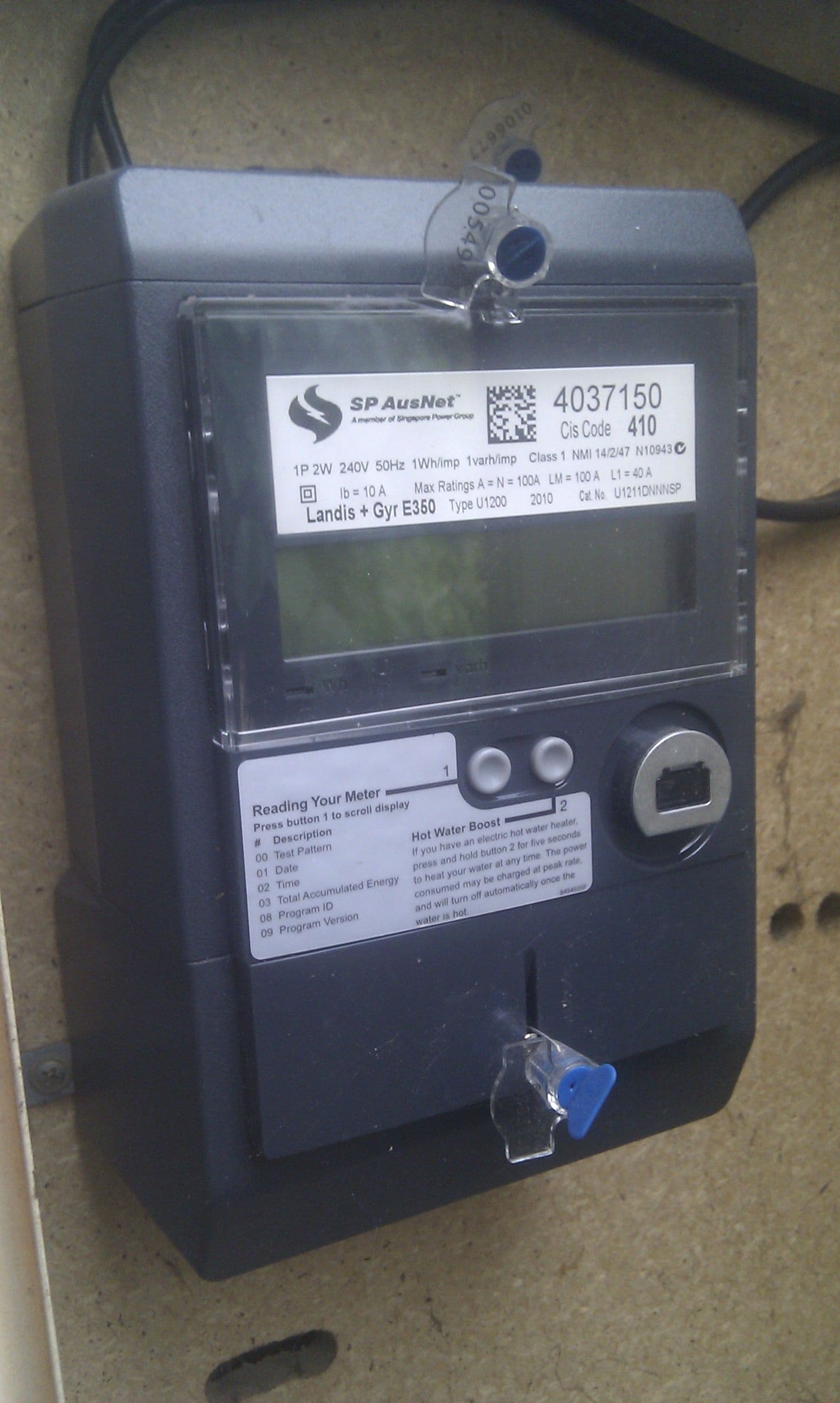
Time-of-use electricity rates in Adelaide are increasingly important because South Australia has high rooftop solar penetration and many households now sit on smart-meter-compatible tariff structures.
Quick answer
Choose time-of-use only if the pricing windows suit how your home behaves. Adelaide homes that can run flexible loads during the day or overnight can sometimes beat flat-rate plans. Homes with heavy evening demand may not.
How time-of-use works
Instead of paying one usage rate all day, time-of-use plans charge different rates depending on when electricity is consumed.
Peak, shoulder and off-peak
- Peak is usually the most expensive period.
- Shoulder is a mid-priced period.
- Off-peak is a cheaper period, often overnight.
Your retailer's exact windows can differ, so always check the current plan document.
Solar sponge in Adelaide
South Australian tariff structures may also reference solar sponge or lower-priced midday periods. These can reward homes that run appliances while rooftop solar output is abundant across the grid.
Who it suits
Time-of-use often suits:
- EV households with flexible charging;
- homes running dishwashers, laundry or pool equipment outside peak;
- some solar homes with daytime appliance flexibility.
It may suit less if most consumption lands in the evening peak.
Internal next steps
Use the electricity cost calculator to test different peak, shoulder and off-peak splits before choosing a plan.
Where should you go next?
FAQs
Should I choose flat rate or time-of-use electricity in Adelaide?
Choose the tariff that matches when your home actually uses power. Flat rate can suit households with steady usage, while time-of-use can work better if you can shift flexible demand into cheaper daytime, shoulder or off-peak windows.
Are time-of-use plans cheaper in Adelaide?
They can be cheaper for homes that avoid peak windows and use more power during solar sponge or off-peak periods. They can be more expensive if most of your demand lands in the evening peak.
Why does postcode matter when comparing electricity in Adelaide?
Postcode helps determine the available retailer offers, meter settings, solar eligibility and how some network-driven costs are presented. Two households in greater Adelaide can still see different plan results.
Do Adelaide electricity rates change often?
Yes. Retailers can update market offers, seasonal promotions and tariff settings, while benchmark and network settings can also change. That is why old Adelaide comparison pages can become stale quickly.
How often should I compare electricity plans?
A practical rule is every six to 12 months, or sooner if your retailer changes prices, your usage pattern changes, or you add solar, a battery, an EV or major electric appliances.