What Is A Smart Meter And Do You Need One?
A practical guide to smart meters in Australia, including what they do and whether your household may need one.
CompareUs Editorial TeamConsumer utilities editorial team
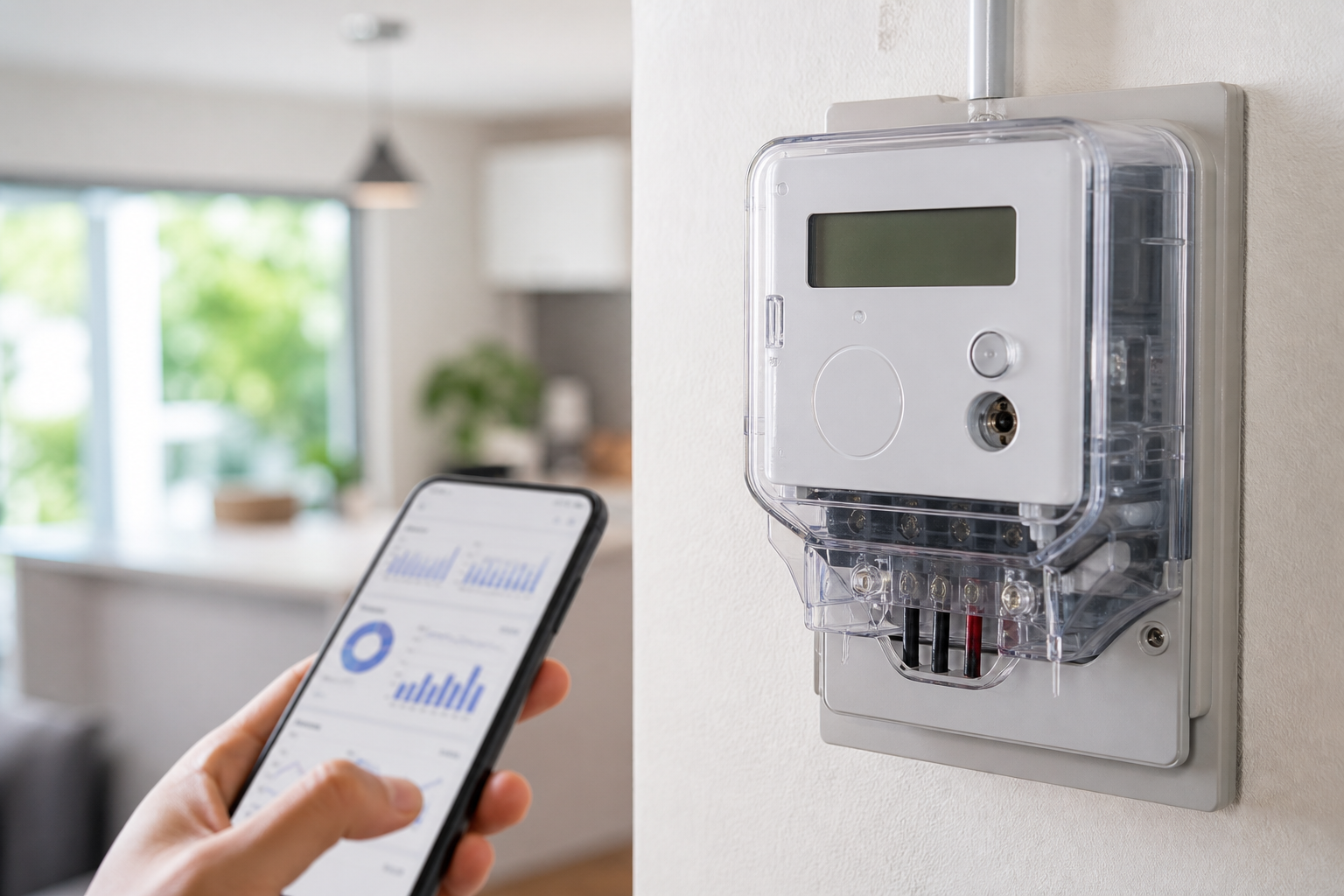
A smart meter is a digital meter that records when and how much electricity your home uses. In Australia, these meters can send readings electronically to your retailer, which changes how billing, tariff options and usage tracking work.
What is a smart meter?
Energy Made Easy explains that smart meters are also called interval meters, advanced meters or type 4 meters. They measure electricity usage at regular intervals through the day rather than relying on occasional manual reads.
How is a smart meter different from an older meter?
Older meters usually require someone to physically read the meter or collect usage data less frequently. Smart meters transmit the data electronically. That can mean:
- fewer manual reads;
- fewer estimated bills caused by access issues;
- better visibility of when electricity is used;
- more support for time-based tariff structures.
Do you need a smart meter?
Not always. A simple single rate tariff may not require one. But you may need a smart meter if:
- you want a time-of-use tariff;
- you are considering a demand tariff;
- your retailer or network requires a metering upgrade for a new setup;
- your property has solar, battery or other equipment that works better with interval data.
Whether a smart meter is necessary depends on the plan and the local metering context, not just on the household's preference.
What are the benefits?
Smart meters can improve bill accuracy because data is sent electronically. They can also help households understand when electricity is used. Energy Made Easy notes that consumers may be able to use in-home displays or web portals to track usage patterns and current or recent costs.
That timing information matters if you are trying to manage peak usage or test whether a time-of-use tariff is working in your favour.
Are there downsides?
A smart meter is not automatically a money saver. If it enables a tariff that does not suit your usage pattern, costs can still rise. The meter is a tool, not a guarantee of a lower bill.
Some households also assume a smart meter means every retailer offer becomes available immediately. In practice, tariff eligibility still depends on the retailer, network and plan design.
Common mistake
The most common mistake is focusing on the meter itself rather than the tariff and usage behaviour it supports. The real question is not only whether you have a smart meter, but whether the tariff options that come with it suit your household.
Sources and methodology
This guide is based on Energy Made Easy smart meter and tariff guidance current at the time of writing. Meter rollout settings and tariff availability vary by location and retailer.
Where should you go next?
FAQs
Is a smart meter the same as a digital meter?
Not always. Many smart meters are digital, but the key feature is that they record interval data and send it electronically.
Can a smart meter stop estimated bills?
It can reduce them because readings do not depend on physical access in the same way, but billing issues can still happen.
Do I need a smart meter for time-of-use pricing?
Often yes, because the retailer needs a meter that can record usage at different times.
Will a smart meter automatically reduce my bill?
No. It may improve billing accuracy and give you more tariff options, but the cost outcome still depends on your plan and usage pattern.
Can I track my electricity use with a smart meter?
Often yes. Energy Made Easy notes that some households can access usage information through web portals or in-home displays.