
Compare the cheapest electricity rates in NSW
A practical guide to comparing the cheapest electricity rates in NSW using current benchmarks, plan structure and usage-based cost checks.
CompareUs Editorial TeamConsumer utilities editorial team
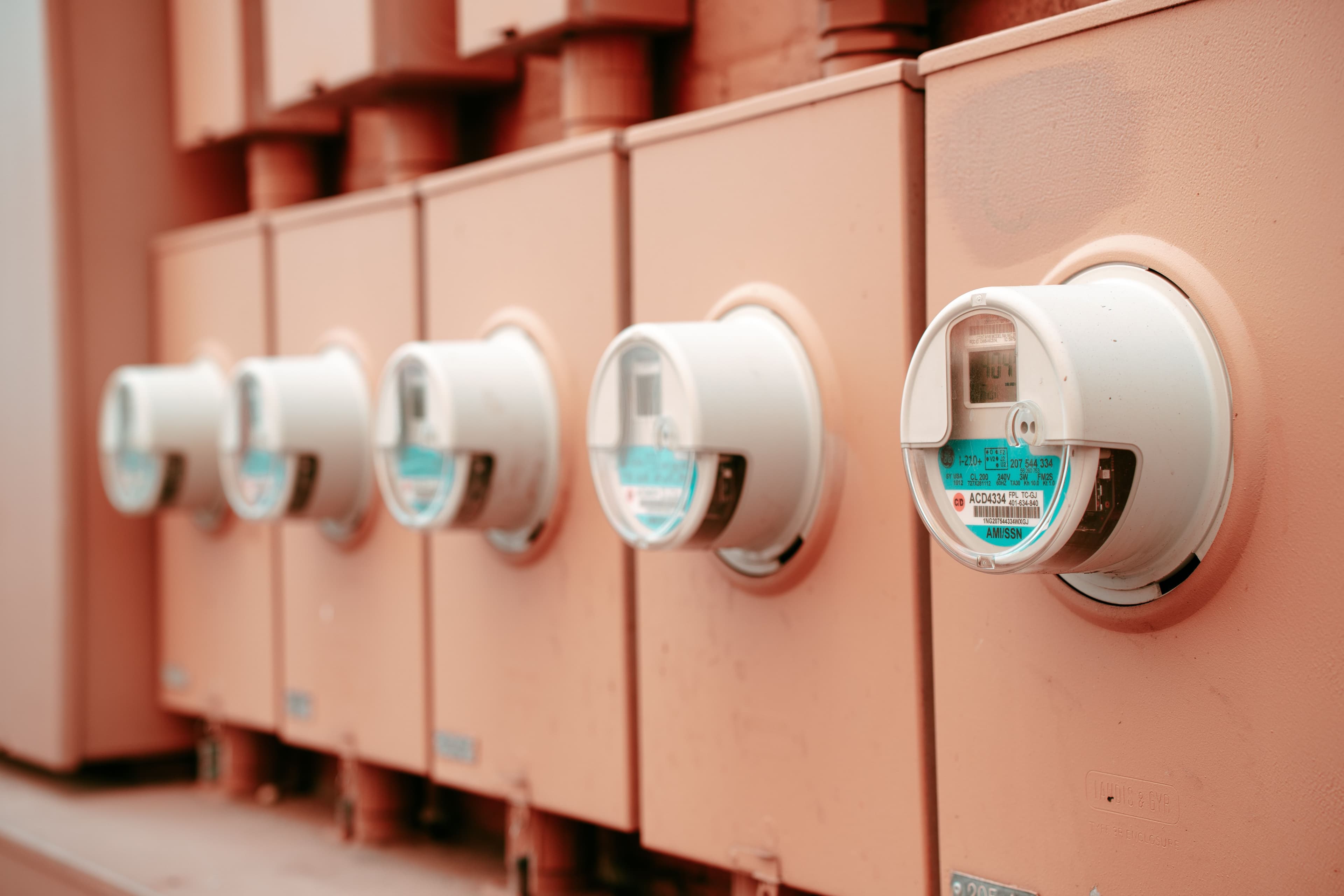
If you want to compare the cheapest electricity rates in NSW, the first thing to understand is that the cheapest plan is rarely the one with the lowest headline usage rate alone. In New South Wales, a good comparison has to look at supply charges, tariff type, controlled load settings, solar terms and whether the offer is a market plan priced well below the Default Market Offer benchmark.
That matters because NSW electricity shoppers still have real room to save, even after benchmark prices eased for 2026–27. The best comparison process is not hunting for one magic retailer. It is comparing energy plans against your actual bill profile and your postcode.
Quick answer: how do you find the cheapest electricity rates in NSW?
To find the cheapest electricity rates in NSW, compare market offers against the Default Market Offer benchmark, then check daily supply charges, usage rates, tariff structure and your own household pattern. The cheapest plan for your home is the one with the lowest annual bill after all charges, not simply the lowest advertised usage price.
Why the cheapest NSW electricity plan is not one fixed answer
NSW has multiple distribution regions, different meter setups and different tariff structures. A plan that looks cheap on one bill profile can be poor value on another.
The AER's final DMO 8 determination says the Default Market Offer is the annual electricity price cap for standing offers in New South Wales, South East Queensland and South Australia, and it also acts as the comparison price for market offers. That makes it the practical benchmark for judging whether a NSW plan is genuinely competitive.
For 2026–27, the AER says final DMO prices in NSW are between 3.4% and 5.0% lower for residential customers than DMO 7. That is useful context, but it does not mean the standing offer is automatically your best option. In most cases, the real savings still sit in competitive market plans.
What the ACCC says about NSW electricity savings
The ACCC's latest retail electricity reporting is the clearest reminder that many households are still paying more than they need to.
In December 2025, the ACCC said households that had been on the same electricity plan for more than three years were paying on average $221 per year more than customers on new plans. It also said NSW customers not on their retailer's best plan could save about $300 per year simply by asking to be moved to the cheapest available plan with the same retailer.
That is why the keyword is not just about finding low prices. It is about comparing energy plans actively instead of sitting on an older offer.
Start with the right benchmark: DMO versus market offers
The DMO is a safety net, not usually the end goal.
Standing offers are there to protect customers who do not switch, while market offers are the retailer-designed plans that around 90% of households use. If you want the cheapest electricity rates in NSW, the core job is to compare market offers against the DMO reference price and then test whether the charge structure matches your home.
A plan that is priced below the DMO can still be a weak fit if:
- the daily supply charge is high;
- the usage rate is cheap only at certain times you do not use power;
- the solar feed-in terms are poor;
- the controlled load pricing is unattractive;
- conditional discounts are hard to achieve.
Supply charges matter more than many people think
A lot of shoppers focus too heavily on cents per kWh and ignore the fixed daily charge.
That is a mistake, especially for smaller households or homes that already use energy efficiently. A plan with a slightly better usage rate but a noticeably higher daily supply charge can still cost more over a year. This is one of the main reasons the cheapest electricity rate on paper is not always the cheapest electricity plan in reality.
Flat rate or time-of-use: which is cheaper in NSW?
That depends on your meter and your habits.
NSW Climate and Energy Action says typical time-of-use periods often look like this:
- off-peak: 11pm to 7am every day;
- shoulder: 7am to 4pm weekdays, 9pm to 11pm weekdays, and 7am to 11pm on weekends;
- peak: 4pm to 9pm on weekdays.
Those are only guides and exact times vary by plan, location, meter type and retailer. Still, they show why tariff structure matters. If your household can shift dishwashers, dryers, pool pumps, EV charging or hot water usage into off-peak periods, a time-of-use plan can be strong value. If most of your demand lands in weekday peak windows, a flat-rate plan may be safer.
How to compare energy plans properly in NSW
Use a repeatable method.
- Start with your latest bill and postcode.
- Note the distributor region, tariff type and whether you have controlled load or solar.
- Compare market offers against the DMO benchmark for your area.
- Check both usage charges and daily supply charges.
- Look at time-of-use periods if you have a smart meter.
- Estimate annual cost, not just one unit rate.
- Ask your current retailer if you are already on its cheapest available plan.
NSW Climate and Energy Action says retailers must tell customers if they are not on the cheapest plan and include that information on bills at least every 100 days. It also says a simple switch could save over $200 a year.
Where many NSW households go wrong
The first mistake is comparing only the headline discount. The second is ignoring the daily supply charge. The third is assuming a time-of-use plan is automatically cheaper without checking when the household actually uses power.
Another common mistake is failing to compare an existing plan against new-plan pricing. The ACCC's data suggests that older plans are often where the loyalty penalty shows up most clearly.
Solar, EVs and controlled load can change the answer
Once you add solar exports, EV charging or controlled load appliances, the cheapest plan can change quickly.
Solar homes need to compare feed-in tariff terms and not just import rates. EV owners should check whether overnight or shoulder pricing makes a time-of-use plan worthwhile. Homes with electric hot water or other controlled-load appliances should check those separate rates carefully, because they can materially change total annual cost.
The practical shortcut: ask for a better plan before switching away
Before you leave your current retailer, ask a direct question: am I on your cheapest available plan for my meter and usage type?
The ACCC says that step alone can unlock meaningful savings in NSW. If the answer is no, move to the cheaper in-house plan first or compare the result against competitor offers.
How CompareUs can help next
If you want to compare the cheapest electricity rates in NSW properly, use the CompareUs electricity comparison hub, the electricity cost calculator, and the compare and save on energy guide.
Sources and methodology
This guide was prepared using current AER default market offer material, ACCC retail electricity reporting, and NSW government guidance on time-of-use pricing and plan comparison. It is intended as a practical NSW comparison guide, not a promise that one retailer or one tariff is the cheapest for every household.
Where should you go next?
FAQs
What is the cheapest electricity plan in NSW?
There is no single cheapest plan for every household. The cheapest option depends on your postcode, distributor region, tariff type, supply charge, usage pattern, and whether you have solar or controlled load.
Is the Default Market Offer the cheapest electricity rate in NSW?
Usually not. The Default Market Offer is a regulated safety-net benchmark for standing offers. Market offers are often cheaper, but you still need to compare the full annual cost carefully.
How much can NSW households save by comparing plans?
The ACCC said in late 2025 that NSW customers not on their retailer's best plan could save about $300 per year by moving to the cheapest available plan with their current retailer.
Are time-of-use plans cheaper in NSW?
They can be, but only if your household uses enough electricity during off-peak or shoulder periods. If most of your use happens during weekday peaks, a flat-rate plan may be better value.
Should I compare supply charges as well as usage rates?
Yes. Daily supply charges can materially change the total annual bill, especially for smaller or more efficient households.
What should I do before switching electricity plans in NSW?
Check your current bill, ask your retailer if you are already on its cheapest available plan, then compare other market offers using your postcode, tariff type and annual usage.