
Will an overnight EV tariff cut your whole electricity bill?
Find the break-even charging volume for an EV electricity tariff. Compare overnight savings with daytime rates, supply charges, solar exports and actual driving.
CompareUs Editorial TeamEnergy guides
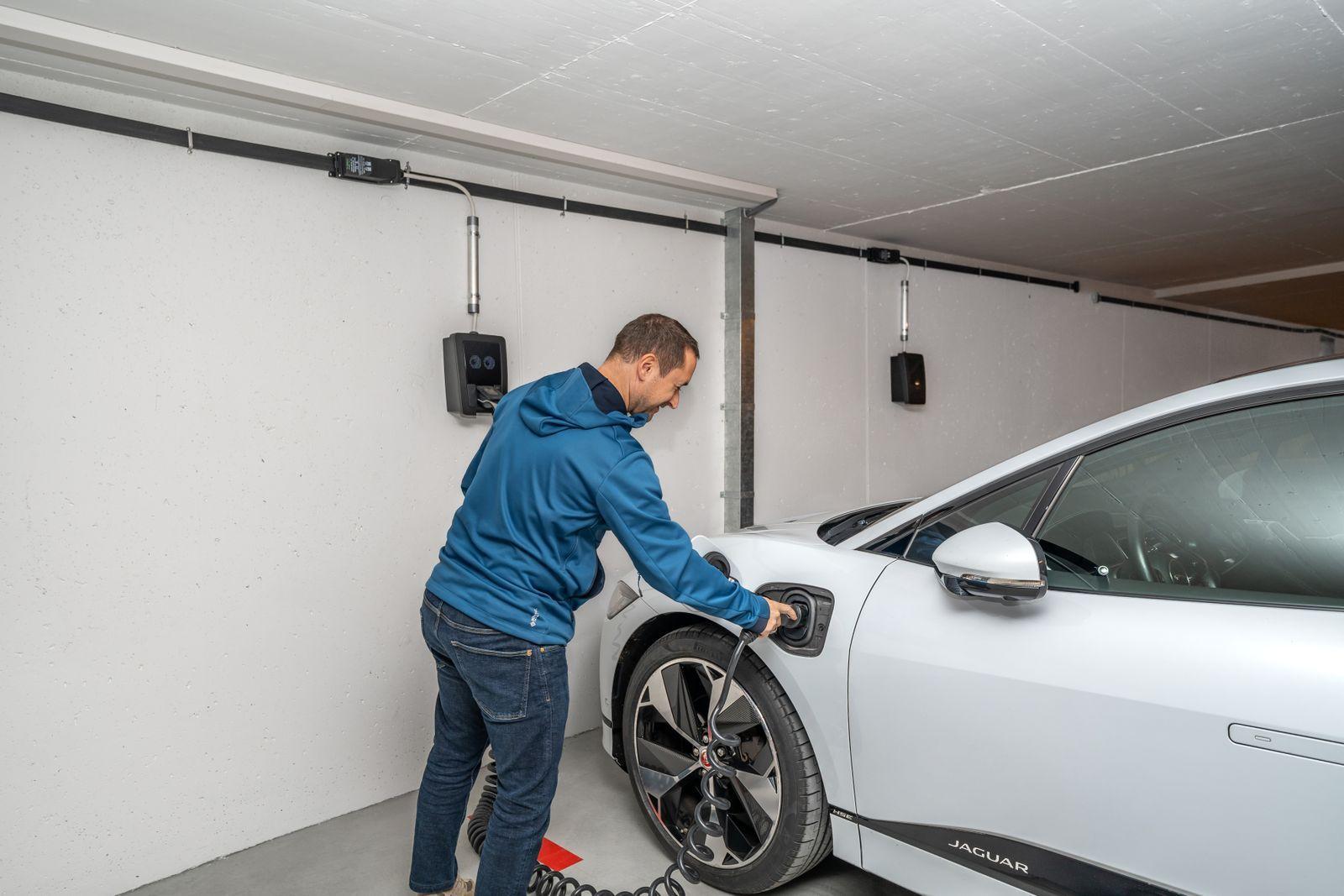
A low overnight charging rate looks persuasive when the showroom calculator prices a full battery. Your electricity retailer, however, sends a bill for the whole house. A household charging a commuter car five nights a week may come out ahead. A household driving the same model twice a week and air-conditioning the house every afternoon may pay more. The difference is measurable before you switch.
How do you tell if an EV electricity tariff is worth it?
An EV electricity tariff is worthwhile only if charging savings exceed any higher daytime usage charges, supply charges and other plan differences. Use your household’s real import pattern and the offer available at your address.
Read the time window before the headline rate
Get the offer for your address and distributor. Check the start and end times, whether they vary with daylight saving, and whether the same times apply on weekends and public holidays. A charger set to local time may need adjustment if the billing window uses a different time convention. Confirm the convention with the retailer and check a real interval reading after the plan begins.
Ask what receives the discount. Some offers price eligible whole-home imports during a time window. Others rely on compatible equipment or managed charging and apply a credit for measured vehicle charging. Those arrangements reward different behaviour. A dishwasher run after midnight might receive the cheap rate on one arrangement and the normal household rate on another. Separately metered controlled-load hot water can follow its own tariff even when it heats overnight.
For example, AGL's published Night Saver EV terms describe eligibility involving an EV and digital meter, an overnight charging window and an exclusion for controlled-load usage. Outside the window, the applicable pricing depends on the offer and location. This example was checked in November 2026. Obtain the current plan document and rates for your own address before using them in a calculation. AGL Night Saver EV plan
Measure the electricity the car actually buys at home
If the car is new to the household, estimate kilometres per week and plausible energy consumption for your driving. Suppose you expect 200 kilometres per week at 18 kilowatt-hours per 100 kilometres. That suggests 36 kilowatt-hours of driving energy before losses. If the workplace supplies about a third, the household buys substantially less than 36 kilowatt-hours for that driving. Label the estimate and replace it with actual wall readings after several weeks.
Avoid double counting. If last year's meter data already includes the car, it already includes home charging. Do not add an entire forecast of EV use on top. Instead move the sessions you can shift from their existing intervals into the proposed time window. If the car is a new purchase, add only its expected household charging to the historic load. The difference can reverse the result of a plan comparison.
Work out whether charging fits the cheap hours
Work from the slowest part of the arrangement: available supply, charger settings, load management and the vehicle's AC charging capability. A six-hour window at an average of three kilowatts can deliver about 18 kilowatt-hours at the wall. If a shift worker arrives home two hours before the window ends, the same setup can deliver only about six in the remaining time.
Check the timer behaviour in your vehicle and wallbox. If both have independent schedules, confirm they agree. A car set to be ready by departure time might begin earlier than expected, while a charger set to allow power only overnight can prevent an urgent top-up. Test a short session and inspect the timestamp and energy used. Set a reminder to revisit scheduling after daylight saving changes, a software update or a change in working hours.
A break-even calculation you can reproduce
| Extra non-EV usage cost | Extra annual supply cost | Total to recover | Saving per off-peak kWh | Break-even off-peak volume |
|---|---|---|---|---|
| 4,000 × $0.04 = $160 | $0.10 × 365 = $36.50 | $196.50 | $0.20 | 982.5 kWh/year |
Now suppose the household already imports 300 kilowatt-hours a year overnight for other uses and the cheaper rate applies to all of it. That leaves 682.5 additional kilowatt-hours a year for the car to supply before the household breaks even, around 13 kilowatt-hours per week. If the discount applies only to separately measured car charging, that 300 cannot simply be credited at the cheap rate. The eligibility wording changes the arithmetic.
The calculation assumes the alternative for every discounted unit is the current plan's flat rate. If the current plan already offers a low overnight rate, substitute the actual difference. Moving from 16 cents to ten saves six cents per kilowatt-hour, not twenty. A smaller saving per unit requires more eligible charging to offset the same increase in daytime and supply costs. This is why comparing the EV rate with a peak rate you would never pay can make a deal look better than it is.
General information only, not financial, legal, medical or electrical advice.
CompareUs may receive referral fees. How we get paid.
Add solar, batteries and demand charges
If the car currently charges from surplus rooftop solar, the financial comparison changes. For a unit of surplus you could otherwise export for six cents, using it in the car forgoes six cents of export income. Moving that session to a ten-cent overnight window would, under these simple assumptions, raise the energy cost by four cents per unit. Use the actual export payment and consider whether the daytime surplus would otherwise have been curtailed.
Compare feed-in rates across both plans too. A reduction of three cents on 2,000 kilowatt-hours of annual exports costs $60 a year. Add that to the extra costs the cheap charging period must recover. If your battery changes when you import, use grid meter readings rather than the home's total consumption graph. The bill depends on electricity crossing the meter and the retailer's treatment of that electricity.
If either plan includes a demand charge, ask the retailer how the relevant peaks are calculated and when they count. A household can use the same annual energy but reach a higher maximum draw by charging the car while cooking and heating. Estimate the demand component from interval data using the actual pricing rule. A simple cents-per-kilowatt-hour comparison leaves that part of the bill unexplained.
Compare the first year and the next year separately
A sign-up credit, public charging discount or discounted subscription can affect the first twelve months. Include a credit only if your household meets the conditions and expects to keep the plan long enough to receive it. Value a public charging discount using eligible charging you already expect to buy. Applying a percentage discount to every kilometre you drive at home overstates the benefit.
Run one lower-driving scenario as well. Working from home more often may reduce overnight charging at the same time as it increases expensive daytime consumption. A second EV could have the opposite effect if both vehicles can share the low-price hours. A household decision that depends on driving an exact number of kilometres every week deserves a closer look at how stable that pattern really is.
Audit the first bill with one charging session
Choose a session for which you know the date, time and approximate wall energy. Compare it with the retailer's interval data and the tariff periods printed on the bill. If the house imported more than the charger recorded, other household loads may explain it. If it imported less, solar, storage or mismatched timestamps may be involved. On a managed charging offer, ask where the separate charging credit appears and whether it arrives on a later statement.
Then check the whole bill. Compare usage by period, the number of supply days, controlled load where present, exports and any plan credit. A month spanning the transfer may contain a mixture of old and new rates. Separate the periods before declaring the plan a success or failure. Keep a second full bill for comparison, particularly if the first falls in an unusually hot or quiet driving month.
For a two-car household, keep charger records against the vehicle that used them. One car may be home through the evening window while the other regularly leaves before midnight for shift work. Averaging the two schedules could count cheap hours that the second vehicle never has access to. Where the wallbox shares capacity between vehicles, compare the energy both can actually receive before their respective departure times on a normal working day.
If the numbers disappoint, change one assumption at a time. Check how much charging actually occurred in the window, whether the daytime household rate rose, and whether the expected credit was paid. This makes the next decision practical. Moving the timer might recover the expected saving; a household with genuinely low home charging demand might instead need a different electricity plan. CompareUs overview of EV electricity plans
Questions to ask
- Is the household and meter eligible for the quoted tariff?
- Which hours qualify and do they vary by day?
- How much charging can actually move into those hours?
- What happens to the rest of the household bill?
Energy Made Easy explains electricity plan charges.
Where should you go next?
FAQs
Does every overnight EV rate apply to the whole house?
No. Check whether the plan prices all eligible imports in the window or gives a credit only for measured EV charging.
Do I need a faster charger to use an EV tariff?
Calculate what your current setup can deliver during the eligible hours and compare that with normal top-up needs. Check equipment requirements on the specific offer.
Can off-peak charging cost more than using solar?
Yes. Compare the overnight import rate with the value of the solar export or other household use you would give up.
Should I include public charger use in the home energy estimate?
Exclude electricity purchased away from home from metered household use. Value any eligible public charging discount separately.
How should I compare an EV tariff when my current plan is already time-of-use?
Use the current price applying at the times you would actually charge, plus all other household rates and fees.