
Can a hot water timer make use of free midday electricity?
Check your hot water system, meter and tariff before moving heating to midday. Compare controlled load, rooftop solar and free-hour offers with a worked example.
CompareUs Editorial TeamEnergy guides
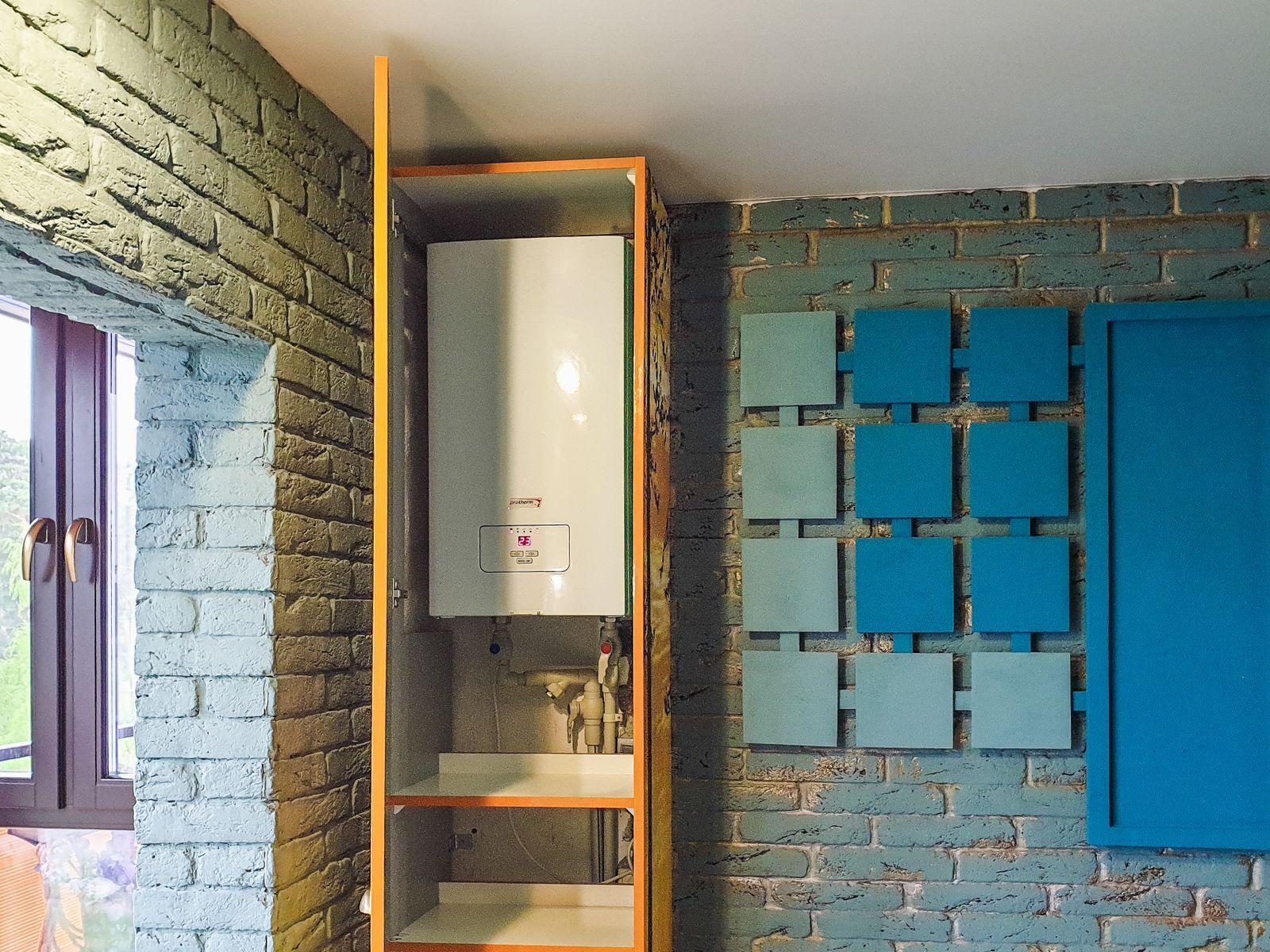
The family showers before work and again after sport. The tank could heat at lunchtime when electricity costs less, even though nobody is home then. That is the attraction of storage hot water: the time you heat the water and the time you use it can be different. The practical question is whether your tank, circuit and tariff let you move enough heating without running short at the tap.
Can I run hot water on a midday timer?
A hot-water timer can reduce cost when the tank, circuit and electricity plan allow heating in a cheaper midday window. Check enough hot water remains for the household, and have any hardwired control changes assessed by a licensed electrician.
Identify what heats the water and who controls it
Look for the model number and take a photo of the accessible label. A conventional electric storage tank uses a resistance element. A heat pump uses a compressor and may have an electric boost element. A rooftop solar thermal system heats water through collectors and may have an electric or gas booster. Solar photovoltaic panels generate electricity and are a different technology. Tell the installer which system you have before asking for a timer price.
Next look at the bill. Is there a separately itemised controlled-load charge as well as general household usage? A controlled-load arrangement can supply certain appliances during periods determined under the network or retailer arrangement. Those periods might not coincide with the free midday window on the general electricity plan. A timer can restrict when an appliance runs while power is available. It cannot make a separately controlled circuit live on demand.
Read the electricity offer for your address
The Australian Government's Solar Sharer Offer introduced a three-hour midday free electricity window from July 2026 for eligible residential customers with smart meters in NSW, South Australia and south-east Queensland. The government's published times are 11 am to 2 pm in NSW and south-east Queensland and noon to 3 pm in South Australia. Other retail plans can have different windows and conditions. Check the plan offered at your address and how the retailer treats your particular load. Australian Government Solar Sharer announcement
Ask whether a cap or reasonable-use condition applies, how usage is measured and what happens outside the free hours. Check the clock convention, including daylight saving where relevant. A heater programmed to finish at three according to the wall clock might not match how an interval is priced if the plan uses another convention. Ask the retailer for the applicable local times and keep the answer with your schedule.
Compare the full plan against your existing one. A household that already uses substantial electricity in the evening may pay more outside the free period. Include the daily supply charge, export credits, controlled-load charges and any change to other usage rates. The water heater can make good use of free energy while the household's total annual electricity bill still rises. Both results can be true at once.
Find out whether the tank can recover in time
A resistance element rated at three kilowatts can draw up to about nine kilowatt-hours over three hours if it runs continuously at that rating. It may stop earlier when the thermostat is satisfied. That calculation describes electricity input, not a guarantee of a particular quantity of usable hot water by evening. The starting tank temperature, losses and amount of cold water entering after morning use all matter.
For a heat pump, ask about its normal recovery time, operation in colder weather and when its backup element runs. A unit may heat efficiently during warmer daylight hours yet still need a longer operating window after a heavy draw. Ask whether a timer setting controls the compressor, the booster or both. The manufacturer's approved schedule matters more than an assumption that every appliance can finish its work in exactly three hours. Australian Government guidance on smart hot water
Preserve the system's safety functions
Ask the installer to confirm that any scheduling method preserves required water storage temperatures, hygiene cycles, frost protection where relevant and appliance controls. The temperature at a tap and the required conditions inside a storage system are different issues. Do not reduce a storage thermostat or defeat an automatic sanitation cycle to fit a price window. Use the manufacturer's operating instructions and licensed plumbing or electrical advice for the actual installation.
Hardwired water heaters need suitable switching and circuit protection. A household plug timer intended for a lamp is not a general solution for a fixed water heater. Even on a model with a plug or built-in scheduling, check that the manufacturer supports the proposed method. Interrupting all power can interfere with control logic, clock settings and automatic functions. A schedule built into the appliance may control operation differently from cutting power at the supply.
A worked example using controlled-load prices
Suppose an existing tank uses five kilowatt-hours a day at an illustrative controlled-load rate of 18 cents per kilowatt-hour. Its daily heating energy costs 90 cents. Imagine a proposed arrangement shifts four kilowatt-hours to a qualifying free period while the final kilowatt-hour is supplied at a general rate of 35 cents. Heating then costs 35 cents a day, a saving of 55 cents under these assumptions.
| Scenario | Calculation | Daily cost |
|---|---|---|
| Existing controlled load | 5 kWh × $0.18 | $0.90 |
| Four free midday kWh | 1 kWh × $0.35 | $0.35 |
| Only two free midday kWh | 3 kWh × $0.35 | $1.05 |
If the same pattern held on 365 days, the heating saving would be about $201 a year. An installed controller costing an illustrative $600 would take roughly three years to recover before any other costs or tariff effects. Now suppose the household pays an extra $100 a year on the rest of the electricity account after switching plans. Net savings fall to about $101 a year and simple recovery approaches six years. Neither figure is a quote or a forecast.
| Daily saving | Annual saving | Installed controller | Simple recovery |
|---|---|---|---|
| $0.55 | $200.75 | $600 | About 3 years |
| $0.55 less $100/year elsewhere | $100.75 | $600 | About 6 years |
Repeat the exercise for winter, when more heating may fall outside the window. If only two of five units fit in the free period and the remaining three cost 35 cents each, heating costs $1.05 a day. That is 15 cents more than the original 90-cent controlled-load arrangement. Test enough days across seasons to avoid making a permanent wiring decision on the strength of an unusually sunny week.
General information only, not financial, legal, medical or electrical advice.
CompareUs may receive referral fees. How we get paid.
If you already have rooftop solar
Use the amount exported around midday as a starting point. Total daily solar generation alone does not show how much is available for the tank. If the home already uses most of its generation for cooling or vehicle charging, turning on the tank may increase imports. An export trace aligned with the heater's electrical draw gives a more useful indication of how often that could happen.
A kilowatt-hour of surplus solar used to heat water can forgo a feed-in credit that would otherwise have been earned. Compare that forgone credit with the import price avoided at the time the tank would otherwise heat. If the alternative is a cheap controlled load, the saving per unit may be modest. If export was already being curtailed, the opportunity cost could be lower. CompareUs guide to solar export limits
Trial the schedule and check the next bill
Where the appliance supports an approved user schedule, record the original settings and follow the manufacturer's guidance. Note hot water availability after the morning rush and after evening use. If it falls short, consult the installer about safe adjustment. Comfort and hygiene are real requirements of the installation. A low electricity reading is not a successful result if the last person in the house repeatedly gets a cold shower.
On the next complete bill, check the quantity billed in the free window, the charges in other periods, the supply charge and any solar export changes. If the household changed appliances and tariffs at the same time, keep those effects separate. A new heat pump may use less energy irrespective of schedule, while the tariff changes what each imported unit costs. That distinction helps you decide whether a further timer adjustment will actually save money.
For rental or shared hot water, establish who owns the equipment and who receives the electricity bill before authorising changes. A tenant with a separately billed apartment may have no control over a central plant serving the building, even when the individual apartment qualifies for a midday retail offer.
Finally, make a note of the plan's review date and the system's next service. A change in working hours, a new household member or a different tariff can alter the best schedule even while the tank is working perfectly. Revisit the timing with a recent bill and the household's actual hot water routine before replacing equipment that may still do the job.
Questions to ask
- Which meter register powers the tank?
- How many hours does it need to reheat in winter?
- What usage cap and hours apply to the offer?
- Who can approve and install any control changes?
The Australian Government explains the Solar Sharer Offer.
Where should you go next?
FAQs
Will a timer move my controlled-load hot water to free electricity?
Only if the circuit, metering and plan support the proposed arrangement. Confirm the meter register and supply availability with the retailer and electrician.
Can I use a normal plug timer on a hardwired heater?
Have a licensed professional assess suitable controls for fixed equipment. Follow the appliance manufacturer’s supported operating method.
Does free midday power mean my whole hot water bill becomes zero?
Only qualifying imports within the offer conditions receive that price. Boost cycles, other periods and changes to the whole electricity plan can affect the result.
Can I lower the storage temperature to finish heating faster?
Keep the required hygiene and safety settings. Consult the manufacturer or licensed installer about safe operating schedules.
Does solar hot water mean the same thing as solar panels powering a tank?
Solar thermal collectors heat water. Photovoltaic panels produce electricity that can power a compatible electric heater. Check the actual equipment and booster type.