
How to Read a Gas Meter: Digits, Photos and Bill Checks
Learn how to read a gas meter, identify the right display and submit a useful photo. Understand why meter volume differs from the energy shown on your bill.
CompareUs Editorial TeamConsumer utilities editorial team
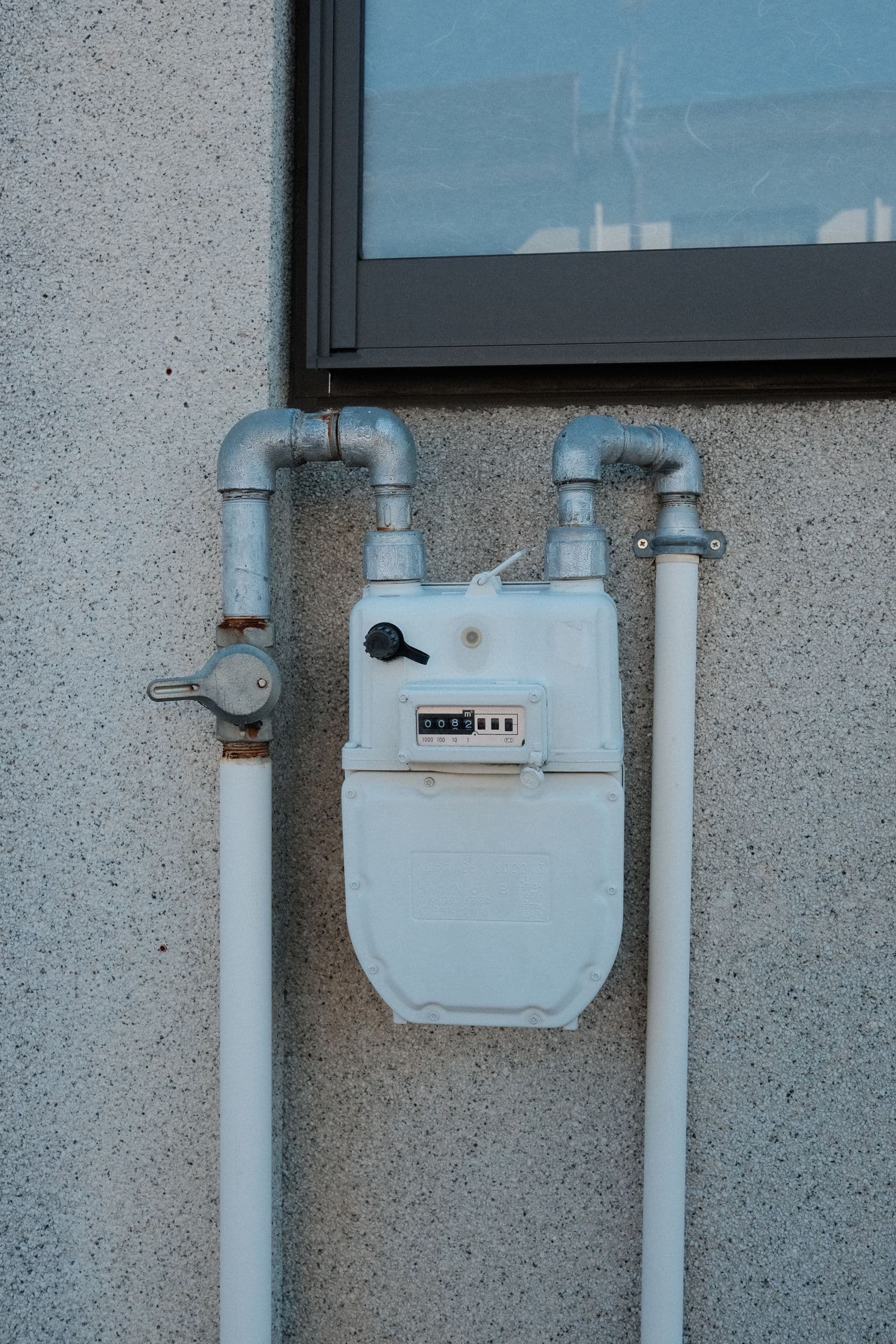
Learning how to read a gas meter is useful when a bill is estimated, you are moving house or you simply want to understand your usage. The important part is identifying the right meter and following the instructions for its display. A confident reading from the wrong meter, or with the decimal point in the wrong place, can create another billing problem.
Quick answer
To read a gas meter, first match its serial number to your bill and identify the display type. Follow your retailer’s instructions for digits and decimals, photograph the reading and record the date. Submit the meter reading as requested; do not substitute a self-calculated megajoule figure or another meter’s number.
How to read a gas meter: identify it before writing numbers
Take your bill with you and locate the meter serial number. Match it to the physical equipment where possible. Apartment cupboards can contain several meters, and a unit label may be incomplete or outdated. Ask the retailer or building manager to resolve a mismatch before submitting anything.
Distinguish the serial number from the moving digits or electronic consumption display. Also distinguish both from the supply-point identifier on the bill. If the retailer’s form asks for a reading, it does not want your account number or the number stamped on the meter casing.
Only approach equipment that is safely accessible. If you smell gas or suspect a leak, leave the area and contact the gas emergency service from a safe location. Do not operate switches or use a phone beside a suspected leak, and do not attempt repairs.
Identify the display type
AGL’s illustrated meter guide is a useful reference because it shows that instructions differ. Its ordinary gas odometer example, hot-water meter example and digital gas example do not all use the same treatment of decimals. Your own retailer’s instructions should match the equipment you have.
| Display | What to check before submitting |
|---|---|
| Mechanical number wheels | Which whole-number digits are required and whether zeros must be included |
| Red decimal digits | Whether this meter type requires them or excludes them |
| Electronic display | Which screen and decimal format the retailer expects |
| Pointer dials | The provider’s illustrated instructions for dial direction and boundary readings |
| Centralised hot-water meter | Whether you are reporting water volume rather than a gas meter reading |
If your display does not match the guide, send a clear photograph and ask the retailer which numbers it needs. Do not force the display into an example that looks only approximately similar.
Ordinary odometer displays
For an ordinary gas odometer of the type shown in AGL’s guide, read from left to right, retain leading zeros and exclude the red or decimal digits as instructed. For example, a whole-number display of 00482 with separate decimal digits would be reported using the whole-number reading if that is the required format.
This example is deliberately not a universal rule. The retailer may use a different form or meter configuration. If a number wheel is between positions, consult the provider’s guide rather than rounding the entire reading upward. Take a photograph that preserves what you actually saw.
Do not move valves, press unfamiliar controls or open the meter to make the display easier to read. An unclear display is a reason to ask for assistance, not to manipulate the equipment.
Hot-water and digital displays can require different digits
In a building with a centralised hot-water service, the meter associated with your bill may measure hot water used by the apartment. AGL’s hot-water example requests the black-and-white digits plus the first two red digits. Omitting all red digits would therefore be wrong for that example.
Its digital gas example also has a specific decimal conversion for submission. The safe lesson is to follow the illustrated instruction for the exact meter and reporting system, not to assume every electronic display uses the same input format.
If you are unsure whether the equipment measures gas or hot water, ask before submitting. Our bulk hot-water billing guide explains why an apartment can receive an energy-related bill based on a separate hot-water meter.
Take a photograph that can actually be checked
Include the complete reading, unit markings and enough of the meter to establish the display type. Take another photo of the serial number if it is not legible in the first image. Avoid glare, shadows and a finger covering the last digit.
Record the date and time separately. Keep the original photograph rather than only a cropped image pasted into a message. Send it through the retailer’s official app, portal or verified contact channel and retain the submission reference.
Never share an account password to let someone else submit a reading. If a relative or support worker is helping, use the retailer’s authorised representative process. A readable photo and correct account details should not require handing over unrelated personal documents.
Understand what the reading means
The displayed reading is normally cumulative. Consumption over a period comes from subtracting an earlier reading from a later one for the same meter, with appropriate handling of replacements or register rollover. The latest display is not the amount consumed this month.
For an illustrative example, readings of 8,420 and 8,460 represent 40 units of meter movement. If the meter measures cubic metres, that is a volume difference, not automatically 40 MJ. AGL explains that its gas energy calculation uses the volume difference with heating value and pressure factors; Western Australian billing conventions also differ.
Use the actual factors and units shown on your bill or supplied by the retailer. Our gas bill MJ guide covers the next step. When submitting a self-read, send the requested meter figure rather than replacing it with your own energy estimate.
Submitting a reading for an estimated bill
Energy Made Easy explains that customers can request an adjusted bill using a customer read estimate before the estimated bill’s due date. Check your retailer’s process, eligibility and timing, particularly if your jurisdiction or supply arrangement has different rules.
Ask whether the reading was accepted and what period it will affect. A reading taken after the bill’s closing date may require the retailer to allocate usage across dates; it is not necessarily a direct replacement for the historical closing reading.
If the bill remains unexpectedly high, follow our estimated gas bill checklist. Keep the original bill, previous actual reading and submission receipt together so the retailer can investigate a specific discrepancy.
Build a useful record without overinterpreting it
For household monitoring, record readings at roughly the same time and note major changes such as holidays or unusually cold weather. Several comparable observations are more useful than one isolated number. Do not infer a faulty heater from a single day without considering what ran during that period.
At move-in or move-out, retain a dated reading where it is safe to obtain one and confirm the account dates separately. A photograph does not close an account by itself. The retailer still needs the appropriate moving instruction.
Sources and review
The CompareUs Editorial Team checked the linked AGL and Energy Made Easy instructions on 27 September 2026. This narrowly focused guide explains safe observation and submission, not meter repair or a universal gas conversion formula. Always use instructions matched to your meter and retailer.
Where should you go next?
FAQs
Should I include the red numbers?
It depends on the meter and the retailer’s submission instructions. AGL’s ordinary odometer example excludes red digits, while its hot-water example includes the first two. Identify the correct display rather than applying one rule to every meter.
Is the meter serial number the same as the reading?
No. The serial number identifies the physical meter; the reading records consumption through it. Your account or supply-point identifier is another separate number. Use each only in the field requested.
Why does the gas meter show a different number from the bill?
The meter records cumulative volume, while bills generally charge energy used during a period. The retailer calculates the difference between readings and applies the relevant conversion factors and billing units.
Can I use a standard conversion factor from the internet?
Do not use one universal factor to challenge your bill. Heating value, pressure correction, meter units and billing conventions can vary. Ask the retailer for the factors used on your specific bill.
What if the meter is inaccessible?
Do not climb, break locks, remove covers or interfere with pipes. Contact the retailer, distributor or property manager to arrange safe authorised access or an appropriate reading.
Does submitting a reading guarantee an immediate refund?
No. The retailer must assess the reading and affected period under the applicable process. Keep the submission receipt and ask whether a revised bill, credit or other adjustment will follow.