
Community Batteries in Australia: How They Work and Who Benefits
A practical guide to community batteries in Australia, covering network benefits, customer models, eligibility and current government-backed deployment.
CompareUs Editorial TeamConsumer utilities editorial team
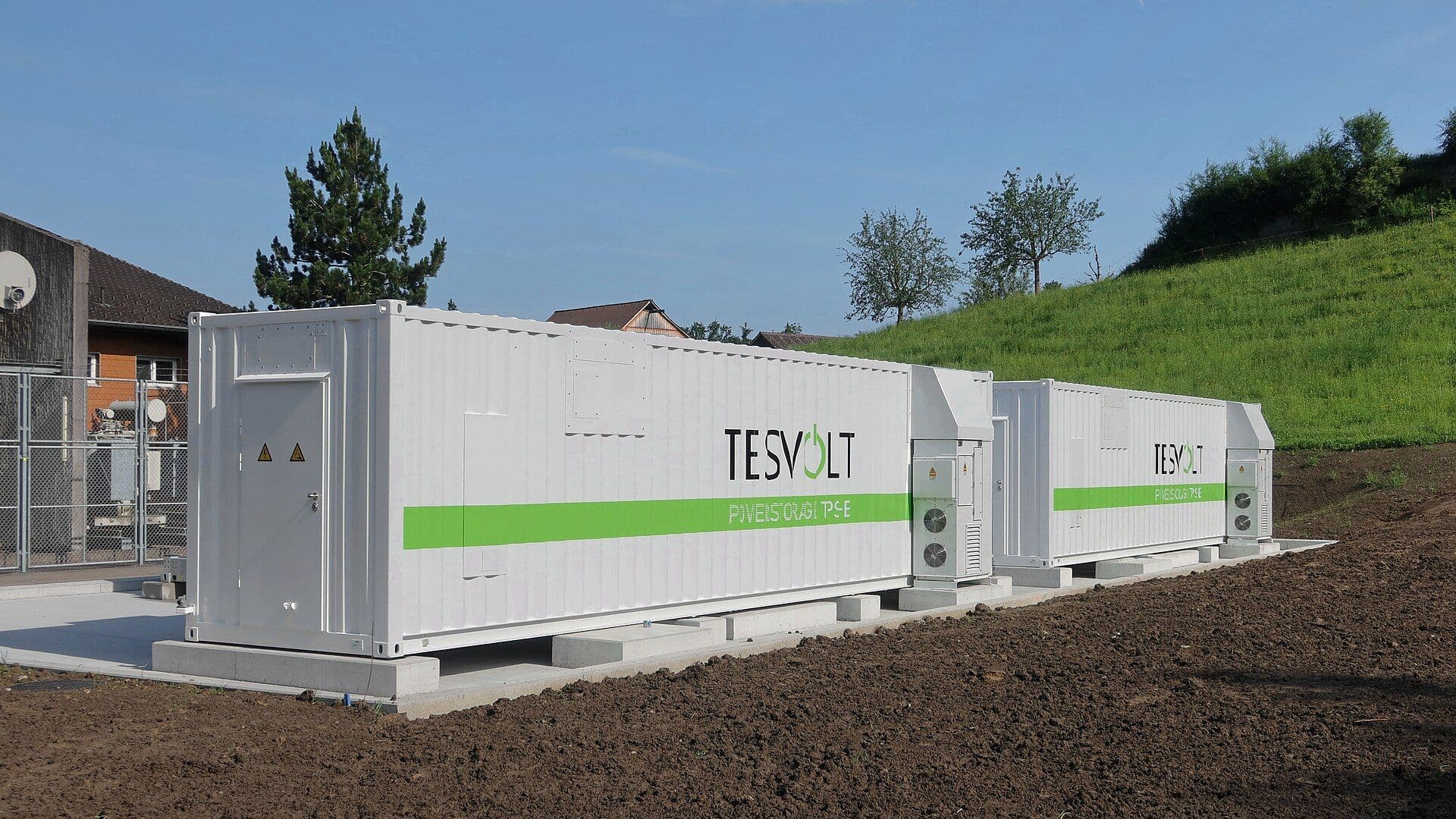
Community batteries in Australia are shared storage systems connected within a local distribution network or embedded network. They can absorb energy when solar generation is plentiful and discharge later, but there is no single participation model. Some provide indirect network benefits, while others support a retailer product, subscription or targeted customer program.
Quick answer
A community battery stores electricity for use later and can reduce local network pressure, support more rooftop solar and shift energy into peak periods. Living nearby does not automatically give a household a personal battery allocation or bill saving. Benefits depend on ownership, operating model, retailer product, eligibility and how savings are shared.
Key takeaways
- Community battery is a physical description, not one standard retail product.
- A network may use the asset for voltage support and peak management as well as energy trading.
- Households without solar may benefit under some targeted or retailer-led models.
- Direct customer savings require clear eligibility and benefit-sharing rules.
- ARENA's 2026 portfolio data shows deployment delays and operational learning, so project status should be checked.
What a community battery is
A community or neighbourhood battery is larger than a typical home battery and located within the distribution system or an embedded network. It may sit beside a local substation, on community land, at a shopping centre or within a housing development. Solar energy can charge it during the day, and stored energy can be dispatched later.
The electricity entering the battery is not physically labelled for one participating household. Metering, contracts and market settlements determine who pays, who receives credits and how the operator earns revenue. This is why a battery installed in a suburb does not automatically work like a shared household appliance.
Why governments and networks support them
High rooftop-solar output can create midday voltage and export constraints in some local networks. A well-sited battery can charge during those periods and discharge during evening demand. Potential network services include peak shaving, voltage management and support for more distributed solar connections.
ARENA's Community Batteries Funding Initiative is intended to improve project economics, build industry capability, lower pressure on the grid and enable additional solar. The program received funding to deliver hundreds of batteries through network and non-network proponents. These are demonstrations as well as infrastructure projects: commercial models, siting, technical performance and community benefit sharing are still developing.
What current deployment data shows
ARENA's June 2026 portfolio report provides a useful reality check. Its snapshot analysed 23 operational batteries and reported that project delays were common. Batteries typically charged around midday and discharged during peak periods, while larger units showed potential for voltage management. Technical faults, data consistency and delivery schedules remained important challenges.
That evidence argues against presenting every announced location as operating. A useful directory should distinguish proposed, contracted, installed and operational assets and include a review date. It should also separate the total government target from the subset covered by a particular funding round or data report.
Ownership and operating models
Distribution networks can own community batteries and lease capacity or contract with retailers and service providers. Councils or community-energy organisations may partner in siting and engagement. Private operators can install batteries in embedded networks such as shopping centres or housing developments. Government agencies can target benefits to social-housing or low-income customers.
Each model combines possible revenue streams differently. These may include buying and selling energy at different times, network services, market ancillary services, subscriptions or retailer products. The allocation of risk and benefit matters more to a household than the logo on the cabinet.
Can households store their own solar in one?
Sometimes a retailer or project offers a virtual allocation that resembles storing exported solar for later credit. The customer's meter records exports and imports, while the product rules calculate the benefit. Other batteries operate entirely for network or wholesale purposes with no individual storage account.
Before joining, ask whether exported energy receives the normal feed-in tariff, a separate credit or a virtual-storage calculation. Check subscription fees, limits, expiry, retailer lock-in and what happens when moving home. A household should compare the total annual bill against ordinary retail plans rather than valuing one attractive credit in isolation.
Who can benefit without rooftop solar
Some community-battery programs are designed to share benefits with renters, apartments, social housing or households unable to install solar. For example, South Australia's emPowering SA project targets low-income households through community batteries and a retail offer. Other models may provide only indirect network-wide benefits unless a customer product is offered.
Eligibility can depend on suburb, feeder, retailer, account type, concession status or an invitation from the project. Proximity alone is not enough. Check the operator's current page and written terms.
How community batteries affect the grid
The value depends heavily on location and operation. A battery placed where midday voltage is high may absorb local solar and create export headroom. Discharging during a local peak can reduce stress on network equipment. But charging or discharging at the wrong time could add to constraints, so operators use forecasts, network signals and market prices.
One battery can serve several purposes, and those purposes can conflict. Holding energy for an evening customer product may reduce capacity available for another service. Transparent project reporting should explain priority, performance and who receives the financial value.
Community battery versus home battery
A home battery sits behind the household meter and gives the owner direct control, subject to inverter, connection and retailer settings. It may provide backup if designed for it. A community battery is shared infrastructure and normally does not keep an individual home powered during a street outage.
The community option avoids installing equipment at every participating home and can reach properties unsuitable for batteries. The trade-off is less direct control and dependence on the program rules. These options are not necessarily substitutes.
How to find a project near you
Check the local distributor, council, state energy department and ARENA project pages. Look for a status date and distinguish an announcement from an operating service. If customer participation is available, identify the retailer or program administrator and request the full terms.
A credible project page should explain the owner, operator, size, location, stage, intended network service, customer offer and benefit-sharing method. It should also provide a contact channel for nearby residents.
Questions communities should ask
Residents considering a proposed site should ask about noise, visual treatment, fire and emergency planning, construction access, operating life and end-of-life responsibilities. The project team should explain which approvals apply and how concerns will be recorded. These questions are separate from whether the battery has a sound network or commercial purpose.
For benefit sharing, ask for measurable commitments rather than broad statements. Identify which customers qualify, how credits or savings are calculated, how long the arrangement lasts and what performance reporting will be public. A project may deliver valuable network services without offering a direct local tariff, but that distinction should be stated clearly so nearby households can assess the proposal on accurate information.
Internal resources
Compare household storage with the battery blackout guide, learn about flexible solar exports, and review electricity options on CompareUs electricity.
Common community battery models
| Model | Typical owner/operator | Customer relationship | Potential benefit |
|---|---|---|---|
| Network-led | Electricity distributor with commercial partners | May have no direct enrolment or use a partner offer | Voltage support, peak management and more solar hosting capacity |
| Retail virtual storage | Retailer or storage-service provider | Customer joins a tariff, subscription or credit product | Virtual allocation or credits subject to product terms |
| Embedded network | Site owner or embedded-network operator | Available to tenants or occupants at that site | Shared solar, demand-charge and local-energy benefits |
| Targeted government program | Government agency and delivery partners | Eligibility based on location or customer circumstances | Benefits directed to renters, social housing or low-income households |
Action checklist
- Confirm whether the battery is announced, installed or operational.
- Identify the owner and operator.
- Ask whether household enrolment is available.
- Read retailer or subscription terms.
- Compare normal feed-in and import rates.
- Check fees, caps, expiry and moving-home rules.
- Ask how benefits are measured and shared.
- Do not assume the battery supplies individual backup power.
Common mistakes
- Treating every announced battery as operational.
- Assuming nearby residents automatically receive savings.
- Confusing virtual credits with physical ownership of stored energy.
- Ignoring retailer lock-in or subscription fees.
- Assuming a community battery backs up the home during an outage.
Sources reviewed
- ARENA Community Batteries Funding Round 2 - Program objectives, funding and deployment targets.
- ARENA Community Batteries Portfolio Data Report 1 - June 2026 operational and deployment evidence.
- ARENA Network-Led Community Battery Scaleup - Current network-led operating model and services.
- ARENA emPowering SA - Example of a targeted customer-benefit model.
Where should you go next?
FAQs
What is a community battery?
It is shared battery storage connected within a local distribution or embedded network rather than behind one household meter.
Can I use a community battery without solar?
Some targeted or retailer-led programs allow this, but eligibility depends on the specific project.
Will a community battery lower my bill?
Not automatically. Direct savings depend on the customer offer and benefit-sharing model; some benefits are indirect network benefits.
Can I store my solar in a neighbourhood battery?
Some products provide virtual storage or credits. The arrangement is contractual and metered rather than a physically reserved portion of the battery.
Does a community battery provide blackout backup?
Normally it does not provide dedicated backup to individual nearby homes during a network outage.
How do I find a community battery near me?
Check the local distributor, council, state energy agency and ARENA project pages, and verify whether the project is operational and open to participants.