
MIRN Number: Where to Find It and Which Gas Number to Use
Find your MIRN number on your gas bill and distinguish it from a meter serial number, reading or account number. Check DPI labels and address mismatches safely.
CompareUs Editorial TeamConsumer utilities editorial team
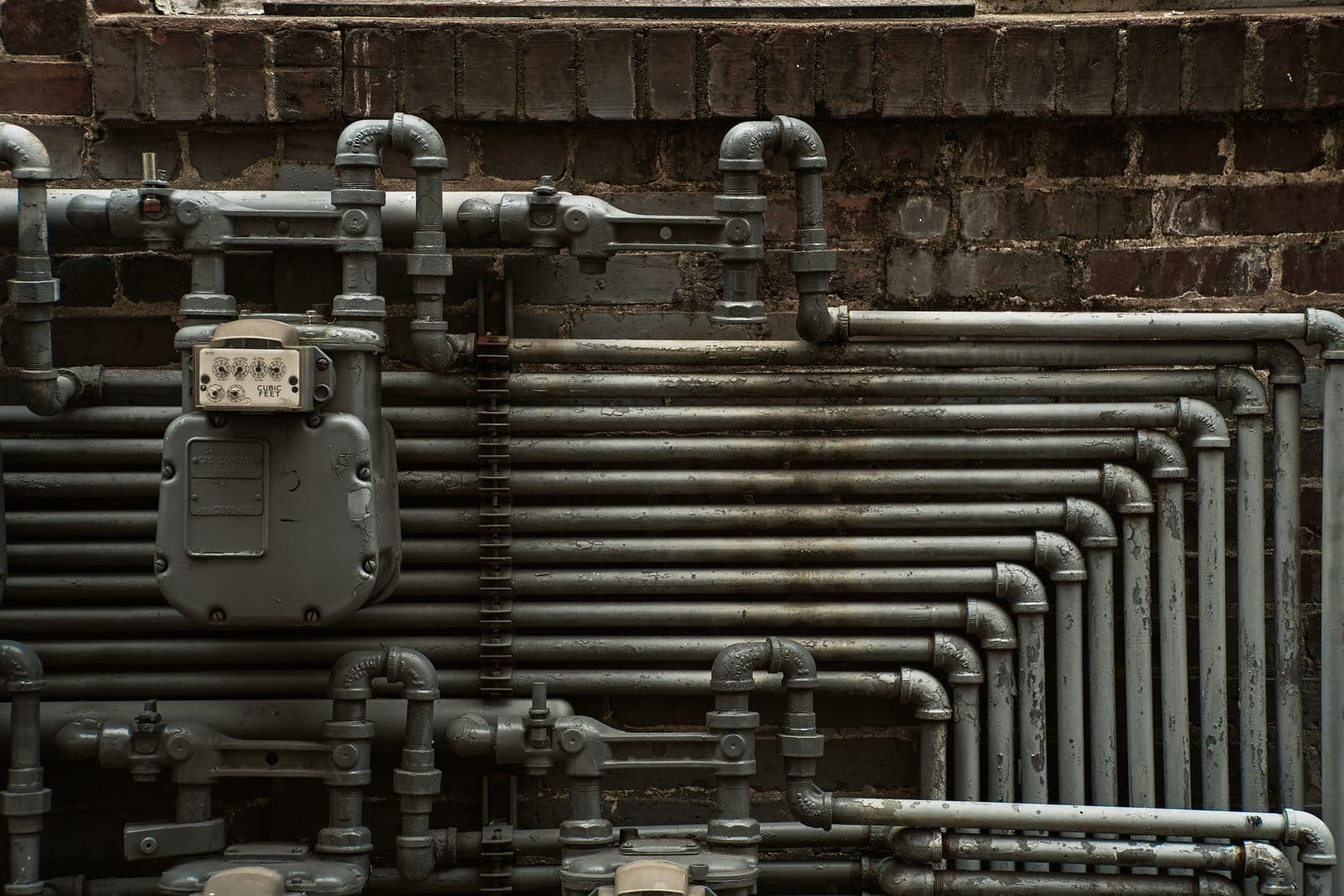
Your MIRN number is one of several numbers that can appear on a gas bill. Finding the right one matters when you move, compare a plan or ask a retailer to investigate the wrong supply address. The quickest route is usually the bill, not a trip into the meter cupboard.
Quick answer
Find your MIRN number on a recent gas bill, usually near the supply address or account details. It identifies the gas supply point, not the amount used or your customer account. Some networks use a different name, such as DPI in New South Wales. If it is missing or inconsistent, ask your retailer to confirm it.
Where to find your MIRN number
Look near the supply address, account details or meter information on the bill. Download the full PDF if the app summary shows only the amount due. Search the document for MIRN, meter identification or supply details, and check whether the retailer uses another label.
Energy Made Easy’s bill-reading resources provide sample bills to help explain the terms on your statement. AGL’s identifier guide shows where the MIRN appears on AGL bills and distinguishes it from DPI. The position and wording on another retailer’s bill may be different.
Copy the complete identifier exactly as printed, including any leading zero. If an online form expects a different length or rejects it, ask which format it needs. Do not delete a digit or substitute your customer number merely to make the form accept the entry.
Four numbers that do different jobs
A gas bill can contain an account number, supply identifier, meter serial number and consumption reading. Each helps answer a different question. Mixing them up can delay an enquiry or, in an apartment building, create confusion about which home is being supplied.
| Number | What it is used to identify |
|---|---|
| Retailer account number | Your account with the company sending the bill |
| MIRN or other gas supply identifier | The particular gas supply point |
| Physical meter serial number | The installed meter equipment |
| Meter reading | A cumulative consumption register at a point in time |
| Electricity NMI | An electricity connection, not a substitute gas identifier |
If you are reporting usage, follow the retailer’s meter-reading instructions. If you are identifying the property for a transfer, supply the connection identifier it asks for. Our gas meter reading guide explains that separate task.
Why the label can vary by state or network
AGL’s guide uses MIRN for Victoria, Queensland, South Australia and Western Australia, and DPI for New South Wales. The expansion of MIRN also appears with slightly different wording in consumer material. What matters for your application is the actual supply identifier accepted by the retailer and network, not guessing from the acronym alone.
Do not assume a form written for one state maps perfectly to every gas network. Tell the provider your state and full address if the terminology differs. This is particularly useful when moving interstate or dealing with a bill that has a different layout from your old one.
An electricity NMI belongs to the electricity connection even if the same retailer supplies both fuels. A combined portal does not make the two identifiers interchangeable. Check that you are looking at the gas document before copying a number.
If you have no bill yet
Contact the retailer you want to use with the exact property address. Include the unit number, street number, building name if relevant and postcode. Say whether it is an existing occupied property, a new connection or a subdivided address.
For a rental, ask the property manager whether there is a separate mains-gas meter for the dwelling or a communal arrangement. An agent’s description of “gas included” or “gas hot water” does not necessarily tell you which company bills the service or whether you need your own retail account.
If requested, provide a photograph of safely accessible equipment through the retailer’s secure channel. Let the provider match the physical meter details to the supply record. Do not open locked cabinets, remove covers or enter another resident’s space to find a number.
Apartment addresses deserve an extra check
Unit numbering can differ between the building directory, postal address and energy system. A supply record might include a lot number or older address format. A mismatch is not automatically proof of incorrect billing, but it is worth resolving before authorising a change.
Ask the retailer to confirm both the address and the physical meter associated with the identifier. A building manager can help locate equipment, while the retailer or distributor confirms the official supply record. Keep the confirmation with your move-in documentation.
For example, if your lease says Unit 12 but the proposed account shows Lot 14, do not simply accept the nearest-looking entry. Ask whether those descriptions refer to the same dwelling and request correction if necessary. The goal is a verified match, not a form that has merely been completed.
When the bill and meter appear inconsistent
Record what differs: the address, the serial number, the supply identifier or the consumption reading. Those are distinct problems. A replaced meter can have a new physical serial number while the property’s supply connection remains the same, so the difference needs investigation rather than an immediate conclusion.
Contact the retailer with dated photographs or documents where safe and relevant. Ask whether a meter replacement, account transfer or address correction explains the mismatch. Request the outcome in writing and ask how any billing adjustment will be handled.
Do not turn gas valves or interrupt neighbouring services to test which meter belongs to you. If you smell gas or suspect a leak, move to safety and contact the appropriate emergency service from a safe location; an identifier enquiry can wait.
Keep the identifier private enough to be useful
You may need to provide it to a retailer or a legitimate comparison service to identify your supply. That does not make it something to post publicly alongside your address and bill. Share only the information needed for the task and use verified channels.
Before sending a bill to anyone, consider whether unrelated personal and payment details can be removed. Never give someone your account password simply because they need the supply identifier. If a family member is helping, use the retailer’s authorised-representative process.
Once the connection is confirmed, you can compare gas plans using the right address and usage. For understanding the charges rather than the identifier, see our gas bill MJ guide.
Sources and review
The CompareUs Editorial Team checked AGL and Energy Made Easy on 28 September 2026. This is a narrowly focused identification guide, not a meter-operation manual. Follow the instructions for your retailer, network and actual supply arrangement.
Where should you go next?
FAQs
Is my MIRN the same as my account number?
No. The supply identifier relates to the gas connection, while the account number relates to your retailer account. Use the number requested by the form or service team.
Why does my bill say DPI instead?
AGL describes DPI, or Delivery Point Identifier, for its New South Wales gas accounts. Names vary by network and bill format. Ask the retailer to identify the correct gas supply number for your property.
Can I use the serial number printed on the gas meter?
Only if the retailer asks for the physical meter number. It is not safe to assume that a number on the casing is the supply identifier. Ask the retailer to match the serial number to its records.
Does switching retailer change the MIRN?
For an ordinary retailer switch at the same unchanged supply point, the connection identifier normally remains associated with the property. Ask about any unusual network or connection changes rather than assuming every case is identical.
What if I do not have a gas bill yet?
Give the retailer the full address, including unit and building details, and ask it to confirm the supply point. A property manager may help identify the location but cannot replace the retailer’s verification.
Do bottled LPG cylinders have a MIRN?
An ordinary delivered LPG cylinder account is not a mains-gas supply point. Use the supplier’s account and equipment details. Communal or embedded arrangements may have their own identifiers, so confirm the service type first.