
Plug-in solar panels in Australia: what WA renters can expect
Western Australia is consulting on balcony solar. Learn what renters can do today and how to estimate savings from the electricity they would actually use.
CompareUs Editorial TeamEnergy guides
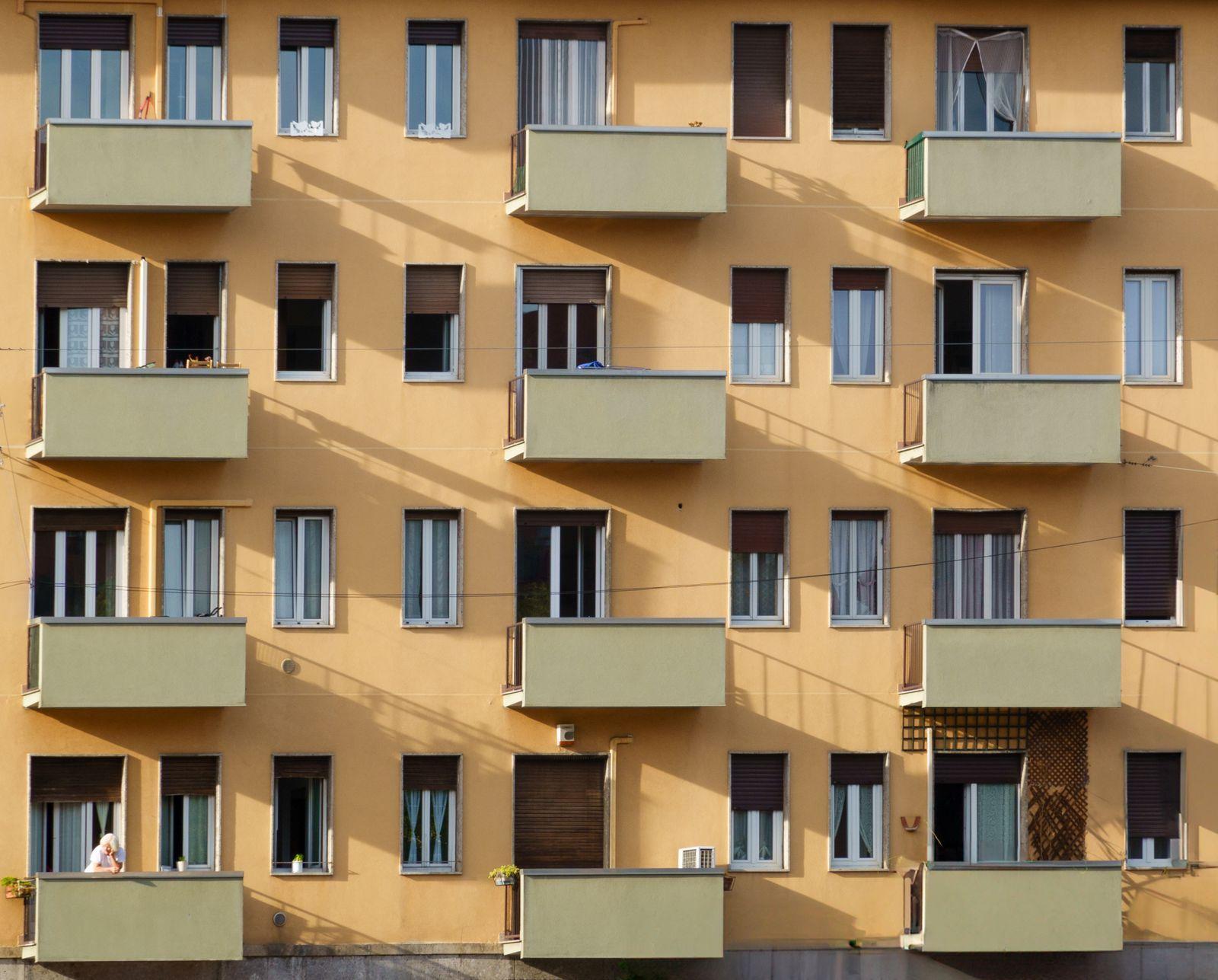
A sunny balcony can feel like wasted roof space, especially when you rent the flat underneath it. Plug-in solar panels promise a way to generate electricity without owning a roof. For an Australian renter weighing up a kit, there are two separate questions. Can you legally connect it at your address? And how much of the power would you actually use?
Can you connect plug-in solar panels in Australia?
Australia has no single nationwide permission for plugging a solar panel into a household outlet. Western Australia is consulting on how plug-in solar and batteries might be legalised. Renters should treat a proposal as a proposal and check current state, strata and electrical rules before buying equipment.
What Western Australia is proposing
WA proposes allowing small solar systems to supply a home through an existing power point. It has released a draft technical standard and is seeking feedback until 5pm AWST on 9 December 2026. That date marks the end of submissions. It gives households no installation start date.
There is a simple reason to wait for the standard. A power point normally supplies an appliance. A grid-connected solar system sends electricity the other way. Whether the plug fits tells you nothing about how the equipment behaves when the network loses power. Keep imported grid-feed equipment disconnected. A camping panel charging a standalone power station serves a different purpose. Its ability to run an appliance tells you nothing about its suitability for feeding a building circuit.
Work out what your balcony sunshine is worth
Start with the electricity that a future approved system could displace. It is tempting to take your quarterly bill and divide it by the number of sunny days. That folds in the daily supply charge, night-time use and possibly a very different evening usage price. A solar panel cannot displace those costs simply by generating at lunchtime.
Imagine a household that can use 1.5 kWh of balcony generation a day on average over a year. At a hypothetical daytime usage rate of 30 cents per kWh, that displaces 45 cents of purchases a day, or about $164 a year. Change just one assumption: if the household uses only 0.5 kWh of that generation, the saving falls to about $55 a year. Neither example assumes an export payment. The figures illustrate the effect of timing and are not forecasts for a particular product.
| Daily solar used at home | Assumed import price | Daily avoided purchases | Approximate yearly value |
|---|---|---|---|
| 1.5 kWh | $0.30/kWh | $0.45 | $164 |
| 0.5 kWh | $0.30/kWh | $0.15 | $55 |
If you have a time-of-use plan, run the example with the price applying when you would use the power. A household on a free midday period already pays nothing for imports during those hours. Displacing a free unit has no bill value at that moment. Conversely, an afternoon-facing balcony could generate less energy overall yet deliver some of it when the household pays more. Compare the overlap hour by hour if your retailer provides interval data.
Read your bill before looking at hardware
Choose a week that resembles your usual routine and download the meter readings if available. Find the hours when there is direct light on the proposed location. Then look at what the meter shows during those same hours. A large daily total is of little help if most of it comes from cooking dinner and heating bedrooms after dark.
For a rental, also consider the length of time you expect to stay. Suppose a future compliant system cost $900 all up and delivered the hypothetical $164 annual saving above. Simple payback would be about five and a half years. Moving after two years would leave much of that cost unrecovered unless you could use the system at the next address. Leave room in the budget for any approved mounting arrangement, permissions or removal costs. The example excludes financing, deterioration and maintenance.
If your electricity is billed through the building, first identify who measures consumption at your unit. A reduction at a shared meter does not necessarily produce an equivalent reduction on an individual resident's invoice. Ask the billing operator which meter supplies the relevant circuit and how charges are allocated. Our embedded network guide explains the questions to take to the building manager.
Build a half-hour estimate from a meter download
If your retailer supplies half-hourly readings, look at the unit in the column heading before doing the sums. A reading of 0.20 kWh is the amount of energy used during that half-hour. A device producing 400 watts for half an hour would supply 0.20 kWh over the same interval. Mixing watts with kilowatt hours in a spreadsheet can inflate a projected saving many times over.
Here is a simple pencil-and-paper test for a hypothetical future system. Take three sunny half-hours in succession. Imagine the household uses 0.10, 0.35 and 0.15 kWh. Suppose the panels could supply 0.20 kWh in each interval. With no storage, the amounts used on site would be 0.10, 0.20 and 0.15 kWh. That is 0.45 kWh displacing purchases, even though total demand and total generation both equal 0.60 kWh. Some of the sunshine arrives too early to cover the second interval's extra demand.
General information only, not financial, legal, medical or electrical advice.
CompareUs may receive referral fees. How we get paid.
Check a supplier's estimate against the shape of the building
A north-facing balcony deep under a concrete slab and an exposed north-facing roof have the same compass direction. Their hours of direct light may differ considerably. From inside the unit, note when the railing, overhang and neighbouring tower cast shadows across the proposed panel area. A winter inspection can tell a different story from a summer afternoon inspection. Ask whether the supplier's estimate uses the actual balcony orientation, tilt and surrounding shade or a generic rooftop model for your postcode.
The same issue works in reverse. A west-facing apartment might get late sun just as someone comes home and starts cooking. A smaller amount of generation that coincides with purchases at a higher tariff could be worth more than a larger amount exported for little or no return. Get the supplier to split the projection into electricity used in the apartment and electricity left over. That turns a headline annual generation number into quantities you can price.
Put a ceiling on what you would spend
If you expect to stay three years and your conservative estimate is $120 saved a year, the total avoided bill over your tenancy would be around $360, before any maintenance or moving costs. That gives you a spending ceiling if you want to recover the cost at this property. A longer equipment warranty is valuable for a fault but does not lengthen the tenancy. Give a possible resale price its own line in your figures and see whether the purchase still makes sense if that line is zero.
What to do while a proposal is still open
A renter can contribute practical questions during consultation without buying anything. For instance, ask how a future occupant would identify a compliant product, what records a tenant should retain after moving, and how a network would handle notifications in a building with a single shared supply point. Those are concrete household issues that a technical specification alone may not answer.
When a policy announcement appears, look for three distinct milestones: the government decision, the date rules commence and the process for identifying equipment that meets them. A retailer taking pre-orders is a commercial milestone of its own. Before paying a deposit, ask what happens to it if the particular kit, site or proposed mounting arrangement does not qualify. Save the response with the product description and return terms.
Questions for the property manager and supplier
Even if a regulator later approves particular equipment, the mounting location needs its own assessment. Take a photograph of the balcony from inside the flat. Identify the parts that might be common property, whether anything would project outside the railing and who would need access for maintenance. Ask the owner or strata manager how to request written approval for that specific location. A neighbour's approval for a different balcony is a poor basis for spending money.
Does a battery change the calculation?
A battery could move some surplus generation into the evening. Its incremental value depends on how much would otherwise go unused, how much stored electricity reaches your appliances and the evening rate you avoid. If you already consume almost everything generated during daylight, there is little left to store. Calculate the panel-only case first. Then divide the extra battery cost by the additional annual saving, rather than crediting the battery with savings the panels deliver anyway.
For now, the useful work is inexpensive: collect the meter data, understand your building's permission process and check the status of the proposal before committing money. Follow the WA consultation and draft standard and the WA government's balcony solar questions and answers. If your immediate aim is a smaller bill, you can also review electricity options using your actual usage.
Questions to ask
- Has the proposal become law in this state?
- Will the owner or strata approve the installation?
- What is the expected daytime self-use?
- Who confirms electrical and product compliance?
Where should you go next?
FAQs
Can I plug in an overseas balcony solar kit in WA today?
WA advises that using an imported system is currently illegal. The government has released a proposed pathway and draft standard for consultation.
Is 9 December the date installations can start?
No. It is the deadline for submissions to the WA consultation. Check the regulator’s latest decision before purchasing equipment.
Would I save money when nobody is home?
Possibly. A fridge and other daytime loads can consume generation while you are out. Meter readings give a better estimate than total daily consumption.
Can I assume the retailer will pay for spare power?
Leave export income out of your estimate until the applicable network arrangements and your retail terms confirm it.
Will balcony solar pay the daily supply charge?
Generating electricity can reduce the metered units you buy. The daily charge for staying connected is a separate part of your bill.