
Replace the solar inverter or the whole system? A homeowner’s guide
Compare a replacement inverter with a new rooftop solar system. Check panel condition, compatibility, network approval, tariffs and the value of extra generation.
CompareUs Editorial TeamEnergy guides
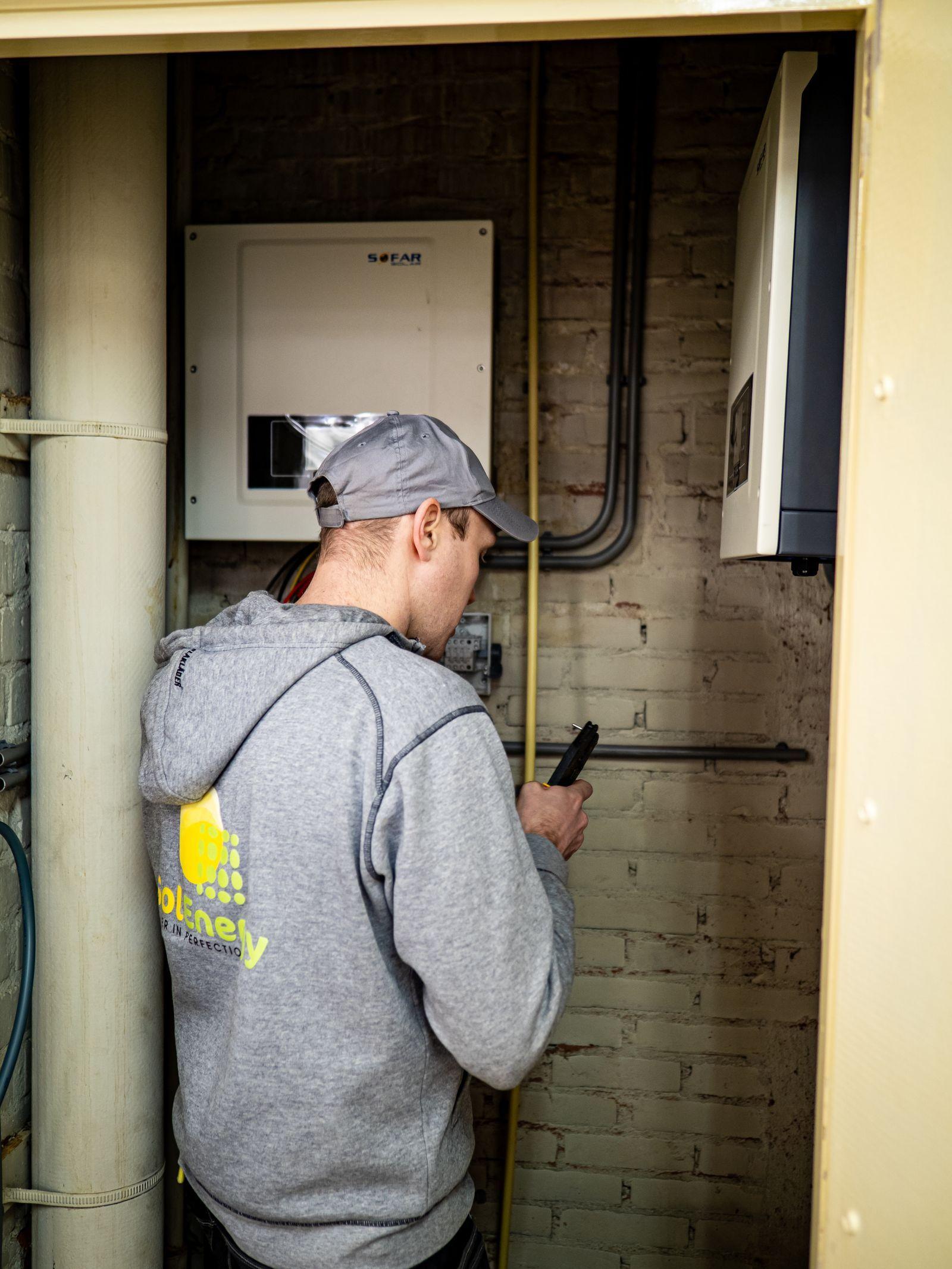
The wall display goes blank after years of reliable solar generation. One business offers to replace the inverter. Another offers to take everything off the roof and start again. Before comparing the two prices, establish what has actually failed and what is worth keeping. A sound set of panels and a roof about to be replaced lead to very different spending decisions, even if the inverter fault code is identical.
When is replacing just the solar inverter sensible?
Replacing only the inverter can be sensible when the panels, mounting and connection remain suitable and an eligible replacement restores reliable generation. Compare that repair with a full system quote using the extra capital cost and extra energy value, not the new system’s total generation.
Establish whether generation has stopped
Check the date of the last reading in the monitoring portal. A lost internet connection can freeze the chart while the inverter continues producing electricity. Check any indicators visible from a safe position and look for current export readings in the retailer's account once the relevant data is available. A household consuming all its solar may export nothing, so zero export alone cannot diagnose a failed inverter.
Write down what happened before the change. A router replacement, storm, network outage, roof repair or new appliance gives the technician context. Save screenshots showing the timestamp and any fault code. Distinguish an occasional warning from a persistent loss of production by noting when the system last operated normally. If equipment appears damaged or unsafe, keep clear and arrange qualified assistance. Do not open an inverter, disconnect panels or climb onto the roof to investigate.
Ask what the inspection says about the array
Ask for a short written diagnosis naming the failed part and the evidence supporting it. If the inverter is considered beyond economical repair, ask whether the conclusion reflects an identified internal fault, unavailable parts or a service policy. These can all lead to replacement, but they have different implications for whether the rest of the system needs attention. A manufacturer offering a warranty exchange may have its own process for returning the original unit.
For the panels, ask what the technician checked and what remains inaccessible. Useful observations include the condition of mounting equipment, cable routes and connectors, evidence of damage, and the performance of panel groups relative to their orientation and shading. Two roof faces pointing in different directions will not produce identical outputs at every hour. A diagnosis should account for their design before concluding one group is defective.
Match the replacement to the existing panels
Ask the designer to confirm in writing that the proposed inverter is compatible with the electrical characteristics and arrangement of the panels. That includes how the panels are grouped into strings, the range of voltages and currents involved, and how roof faces are managed. A similar inverter power rating is only one part of the match. Leave design calculations and electrical testing to qualified practitioners.
If the existing array uses microinverters or panel-level optimisers, ask whether the proposed equipment works with those components and the monitoring system. Replacing a wall-mounted unit can be quite different from replacing electronics under individual panels. Check whether compatible equipment is available locally, what access the work requires and what happens to panel-level monitoring. The words “equivalent model” should be backed by a design for your actual installation.
Check the roof and the connection agreement
Find out when the roof is likely to need attention. An inverter replacement might preserve a serviceable system through several more years. If a reroof is already booked for next summer, compare coordinating removal and reinstallation with paying for two separate site visits. Ask the roofer and solar contractor to agree on access, waterproofing, sequencing and responsibility for any damage. A quote assuming clear roof access can change substantially once other trades are involved.
Ask the solar installer how the electricity distributor classifies the proposed change. Replacing a failed inverter with comparable equipment can be treated differently from installing a larger inverter, adding storage or changing export controls. Ausgrid, for example, distinguishes like-for-like replacements from new and upgraded systems in its emergency backstop guidance. The details depend on the local network and work proposed. Ausgrid guidance for solar installers
Compare the extra money with the extra electricity
Start with the repair baseline. If an inverter replacement restores the old system, its output belongs in both sides of the comparison. A new-system salesperson might show the total savings generated by the new roof, while the real decision is how much more it delivers than repairing the current one. Ask for estimates of annual generation, self-use and export for each option using the same consumption data and tariff assumptions.
Imagine a repair costs $2,000 and a full replacement costs $7,000 after all confirmed adjustments. The extra capital decision is $5,000. Suppose the replacement is expected to deliver an additional 1,000 kilowatt-hours a year that the household uses and another 1,500 that it exports. At illustrative rates of 30 cents avoided per imported kilowatt-hour and six cents earned per exported kilowatt-hour, the incremental value is $300 plus $90, or $390 a year.
| Repair | Full replacement | Extra capital | Extra self-use value | Extra export value | Simple recovery |
|---|---|---|---|---|---|
| $2,000 | $7,000 | $5,000 | 1,000 kWh × $0.30 = $300/year | 1,500 kWh × $0.06 = $90/year | About 12.8 years |
On those assumptions it would take roughly thirteen years to recover the extra $5,000 from that extra energy value alone. It is a simple calculation before finance, maintenance, degradation and possible future repair. A looming reroof, failing panels or expensive access for later work could shift the comparison towards replacement. A smaller daytime load or lower feed-in tariff could shift it towards repair. Request a conservative case as well as the supplier's preferred forecast.
If a proposal assumes a subsidy, ask for the specific scheme, eligibility of the proposed work and the amount used in the quote. A routine repair and a qualifying new installation are different scopes. Ask whether the advertised price depends on assigning certificates or receiving approval that is still outstanding. Compare the final costs you would pay and record who bears the difference if the assumed incentive is unavailable.
General information only, not financial, legal, medical or electrical advice.
CompareUs may receive referral fees. How we get paid.
Decide what future battery compatibility is worth
A hybrid inverter can be useful when the intended battery, system design and timing line up. Ask for the compatible battery models, power limits and any additional gateway or backup equipment needed. “Battery ready” could describe a concrete supported combination or merely the possibility of redesigning later. Ask which future expense the more costly inverter would actually avoid and which expenses would remain.
If you have no immediate battery plan, compare that premium with the option of installing a separate compatible battery system later. Future products, prices, network conditions and your household's needs may change. If you already have a battery, its continued operation is a present requirement. Ask who will recommission the battery, confirm its operating modes and document any effect on monitoring and warranty coverage.
Get a handover that lets you check the result
Before accepting either quote, ask who will submit connection paperwork, update monitoring, test the installation and provide completion documents. Request the exact model, warranty start date and who pays for labour if the replacement fails. For retained panels, identify any existing warranties that remain applicable. Keep dated photos of labels and the final design with the old records so a future technician can identify what changed.
On commissioning day, have the installer show you how the new monitoring account records generation, consumption and export where those measurements are available. Preserve access to the historical portal or download its records before it closes. An apparent drop to zero lifetime production on a new dashboard can simply mean the counter restarted. Write down the changeover date so your annual household comparison does not accidentally omit several months of useful output.
Where the installed scope differs from the quote, request a marked-up record. For instance, the technician may have found that a previously inaccessible cable needed replacing while another proposed change proved unnecessary. Keeping the approved variation beside the final invoice makes it clear which components are newly warranted and which remain part of the original installation.
After the next full billing period, compare export readings for matching dates and check that the retailer has applied the expected feed-in arrangement. If the system is generating well but the credit is small, compare daytime household consumption and the export allowance before questioning the new inverter. If there is a genuine fault, the diagnosis, commissioning record and clearly defined warranty contact will give you a direct route back to the party responsible for putting it right.
Questions to ask
- What does the fault inspection say about the panels and inverter?
- What connection settings will the distributor approve?
- How much more annual self-use and export is forecast?
- What warranties cover labour and replacement components?
The Clean Energy Council explains solar maintenance.
Where should you go next?
FAQs
Does an inverter fault mean my panels need replacing?
A qualified assessment can establish the cause and the condition of the array. A fault in one component alone does not establish that the roof needs a new system.
Can any inverter with the same kilowatt rating replace mine?
The designer must check panel strings, electrical limits, network requirements and any battery or panel-level electronics.
Will replacing the inverter affect a legacy feed-in tariff?
Ask the scheme administrator or retailer about the exact replacement scope and obtain a written answer before changing capacity or equipment.
Is a hybrid inverter worth buying for a future battery?
Compare the added cost with the compatible battery options, extra hardware required and the likelihood you will install that battery during the inverter’s life.
What documents should I keep after replacement?
Keep the diagnosis, old and new serial numbers, invoices, design, connection paperwork, commissioning date, warranty and monitoring records.