
Solar installer out of business? How to get a fault assessed
Trace the business that sold your solar system, check product and workmanship warranties, and arrange a repair when the original installer has closed.
CompareUs Editorial TeamEnergy guides
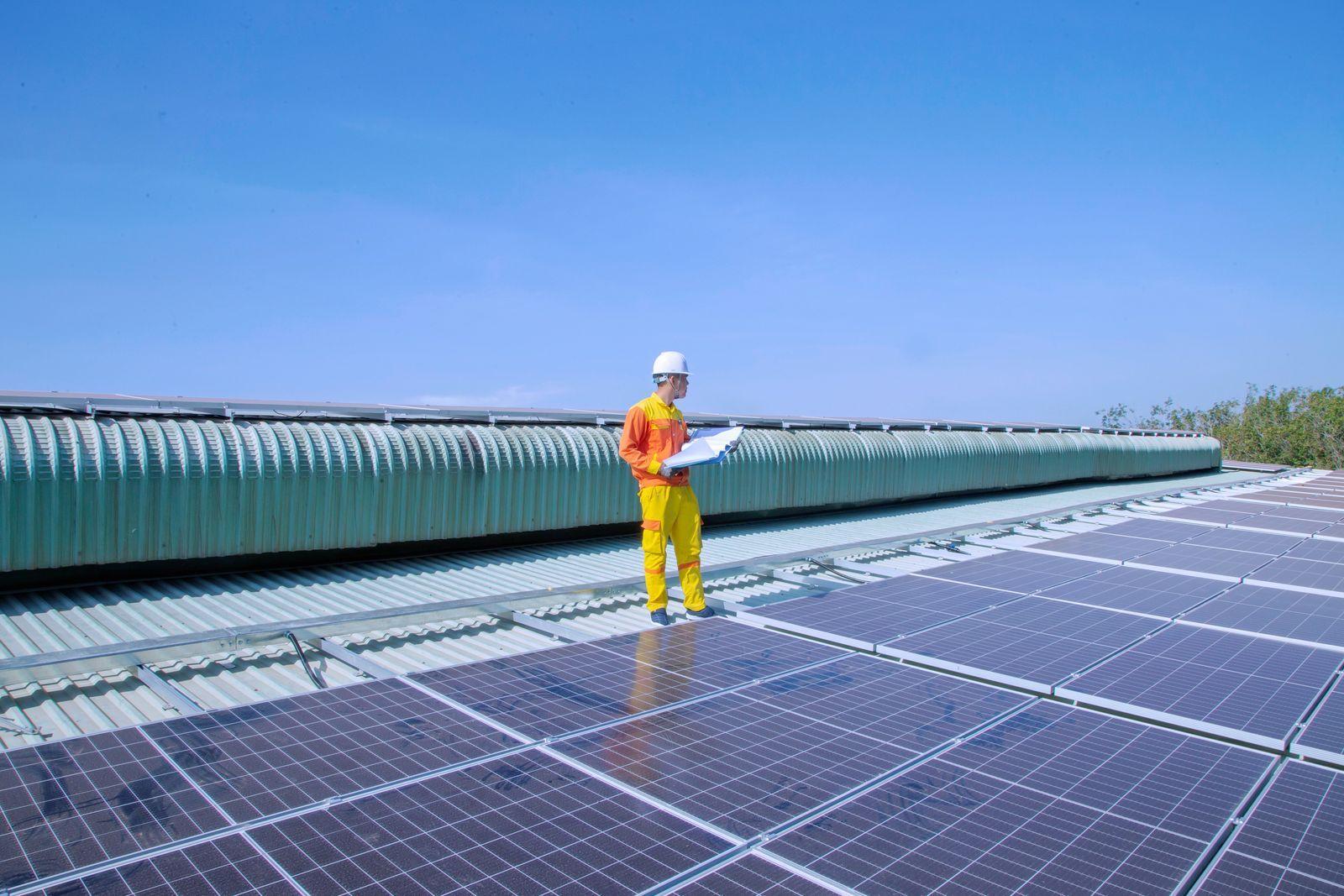
The inverter shows a fault, the installer's phone rings out and the website has disappeared. Before booking a replacement, pull out the original invoice. The company whose electrician attended your home may be different from the company that took your money. That distinction can decide who arranges an inspection and whether you pay for a second technician to visit.
Who can help if your solar installer has closed?
If the solar installer has closed, identify who sold the system and who manufactured the failed part. Product and installation issues may follow different claim paths. Gather the contract, model numbers and fault evidence before booking independent work.
Find the business behind the name on the van
Look at the signed proposal, tax invoice and payment receipt together. Write down the supplier's legal name, Australian Business Number and contact details. A sales brand might appear prominently on every page while the contracting company's details occupy one line at the bottom. The solar retailer in this context is the business that sold you the system. Your electricity retailer, which pays your feed-in tariff, may have had no role in that sale.
Find out what actually happened. A disconnected number could mean the business moved or stopped using a trading name. Search the ABN on ABN Lookup and follow up company details through ASIC. A register entry is one piece of evidence. An active ABN alone tells you little about whether anyone is still taking service bookings. Save the results and date your attempts to contact the supplier.
Identify what stopped working before choosing a claim
Describe the symptom from somewhere safe. Did the monitoring app stop updating on the day you changed your home internet? Does the inverter display a fault message visible from ground level? Has generation fallen, or is it only the credit on the electricity bill that has fallen? Note when you first saw the change and what record you used. Leave electrical testing, opening equipment and rooftop inspection to a qualified professional.
A feed-in credit measures electricity sold back to the grid at the applicable rate. If a new pool pump runs during the day, the house may export less even with healthy panels. A change to the feed-in tariff can also lower the dollar credit with the same exported kilowatt-hours. Compare the bill's export quantity and rate separately. If available, compare both against dated generation records from the inverter. Each measures a different step between sunlight hitting the roof and money appearing on the bill.
Separate the sale, the installation and the equipment
For a bundled sale, tell the seller what was supplied, what has gone wrong and what you would like it to arrange. The seller choosing a subcontractor generally does not remove its responsibility to you under Australian Consumer Law. If you independently bought panels from one company and separately engaged someone to install them, send a suspected product issue to the supplier and a suspected workmanship issue to the installer. If the cause is unclear, say so. ACCC guidance on solar and home batteries
For example, panels, an inverter and an optional monitoring device may each have a different manufacturer. A roof leak after installation raises different questions from an inverter that has stopped converting power. A replacement inverter will do little for a poorly sealed roof penetration. Ask the attending professional to distinguish what they observed, what they tested and which conclusions are provisional. Keep photographs of damage taken safely from the ground or inside your home.
Build a claim file a stranger can understand
Put the invoice, acceptance email, commissioning record, handover documents and warranty PDFs in one folder. Add the equipment model, available serial numbers and installation date. The handover pack may include labels photographed at installation. If you bought the property later, look through the vendor's handover records and ask about any installer emails or account transfers. Tell the manufacturer when ownership changed and ask which evidence it accepts under the relevant terms.
Create a short timeline on the first page. Include the last date you know the system worked, the date you observed the problem, and the outcome of each call or visit. If monitoring access relied on the old installer's account, ask the monitoring provider how the property owner can regain access. Keep copies of available production history before replacing hardware or changing accounts. Historical records can help distinguish a sudden outage from a seasonal decline.
Ask who pays for diagnosis, access and labour
A manufacturer offering to send a replacement part is a good start, but it leaves practical questions. Who selects the attending electrician? Who approves the inspection charge? Does the offer cover travel, removal, freight, installation and commissioning? Get the answer for your address before accepting a booking. A warranty document referring to a replacement unit may have separate terms about labour, and an initial offer need not settle all your rights.
Consider a fictional example. A manufacturer agrees to supply an inverter. A local business quotes $220 for diagnosis and $480 for the return visit and installation. A second quote includes both visits for $610 but excludes freight. Before choosing, ask whether the manufacturer requires an authorised technician, whether it will reimburse diagnosis if a covered fault is confirmed, and how much freight could add. Those figures illustrate the comparison and are not a market price estimate.
| Quote A diagnosis | Quote A second visit | Quote A total | Quote B both visits | Quote B freight |
|---|---|---|---|---|
| $220 | $480 | $700 | $610 | Excluded |
Ask for two outcomes on the written booking. What will you owe if the technician confirms a covered product fault? What will you owe if they find a wiring, monitoring or unrelated issue instead? Agree on a limit for initial assessment and ask for a call before extra work. That creates room for a repair decision once the cause is known and helps prevent a diagnostic appointment turning into an unexpected system replacement.
General information only, not financial, legal, medical or electrical advice.
CompareUs may receive referral fees. How we get paid.
When an independent inspection makes sense
If the original business has gone and the manufacturer wants evidence, forward its claim requirements to the independent contractor before the visit. An expensive report can still be useless if it omits the model number, fault code or test result the assessor requested. Ask for a written scope and ensure the contractor has the appropriate licence for the work. Where access equipment will be needed, get that cost identified up front.
Ask the technician to document any change they make and, where practical and safe, preserve the evidence of the original fault. If equipment must be removed, establish who will store it and whether the manufacturer needs it returned. Do not agree to disposal while a claim is being assessed without checking first. A dated photo of a label may save time, but it cannot replace a failed unit if the manufacturer requires examination.
Escalate to the body that can address the problem
If a company has entered external administration, identify the appointed practitioner and ask how to register a claim, which documents to supply and what deadlines apply. Keep that correspondence separate from an active manufacturer claim. Registering as a creditor may preserve a route to participate in the process, but recovery depends on the administration and available assets. Check before spending money on a report solely for that purpose.
For a dispute over the sale or a remedy, start with the state or territory fair trading or consumer affairs office. For concerns about installation quality, the Clean Energy Regulator also identifies Solar Accreditation Australia as a contact. If you suspect unsafe electrical work, contact the relevant electrical safety regulator. State what outcome you seek. Investigating professional conduct, assisting with a consumer dispute and arranging an urgent make-safe repair are different jobs. Clean Energy Regulator complaints directory
A first email that moves the repair forward
A household could write, “We purchased the attached solar package in March. The inverter recorded the attached fault on Monday and the app last registered production on Sunday. We have tried the installer's listed contact details twice. Please confirm who will assess the fault, whether inspection charges apply and whether we need your approval before engaging a technician.” Add an address, a way to contact you and a reasonable date for a response.
When the case closes, keep the report, final invoice, replacement serial number, warranty correspondence and any new monitoring login details. Check that the monitoring account records the repair date and that the technician has explained how to tell whether generation has resumed. A clear record now gives the next owner or service technician something more useful than a disconnected phone number.
Questions to ask
- Who is the seller on the contract and invoice?
- Which component and serial number has failed?
- Will the manufacturer accept an independent technician?
- What costs remain if the fault is not covered?
ACCC explains solar system consumer rights.
The Australian Government explains solar maintenance.
Where should you go next?
FAQs
Does the electricity company on my bill have to repair my panels?
Check who supplied the system. Your electricity retailer can explain export readings and feed-in credits, while the business named on the solar sale or maintenance contract is the normal starting point for an equipment complaint.
Does the installer closing cancel my inverter warranty?
Check who issued the warranty. A separate manufacturer may still handle an eligible product claim and can explain what evidence and approved service arrangements it requires.
Can I use another electrician?
For planned warranty work, ask the claim handler which technicians it accepts and who pays before booking. Give immediate safety concerns priority and keep records of urgent work.
What if the monitoring app has lost its history?
Ask the monitoring provider whether it can restore owner access or export historical data. Keep available bills, readings and service records as separate evidence.
Does a replacement panel include installation?
Ask for the offer in writing with labour, removal, access and freight identified. The details of the warranty, the transaction and any applicable consumer guarantees matter.