
Single-phase or three-phase power for solar, batteries and an EV?
Decide whether your Australian home needs a three-phase upgrade. Compare solar export approvals, battery backup circuits and the charging speed your EV can use.
CompareUs Editorial TeamEnergy guides
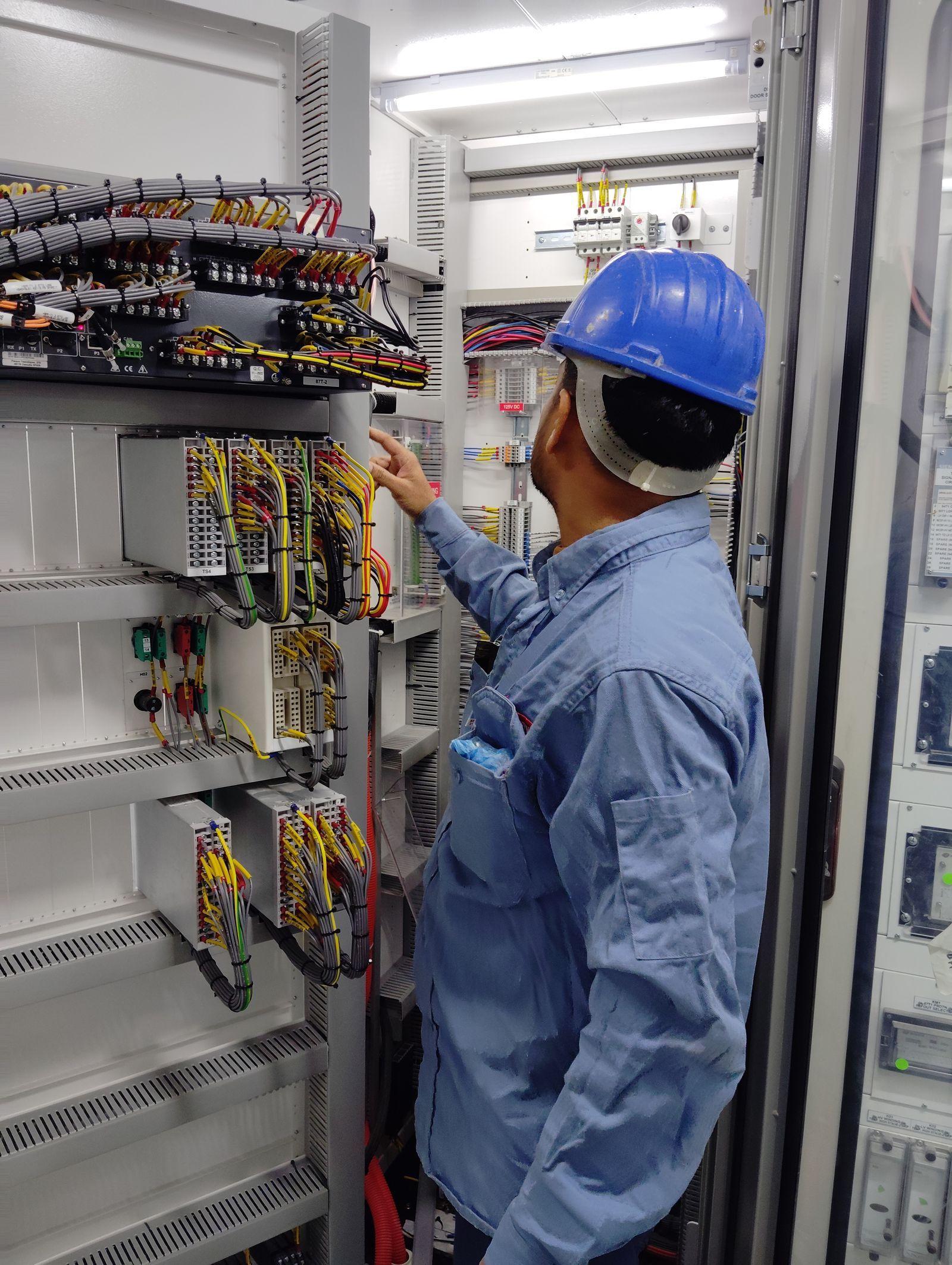
An installer suggests three-phase power for a solar upgrade. A car dealer mentions it again when you ask about a home charger. It sounds as though both purchases depend on the same expensive change. Before accepting a quote, ask each person which problem they are trying to solve. Getting enough power to a car before morning, running a large appliance and gaining permission to export more solar electricity are three different jobs.
When does a home actually need three-phase power?
Three-phase power is useful when the approved solar, battery or EV equipment needs more connection capacity than the home’s single-phase option can provide. It is not automatically required for every larger solar quote. Ask the distributor and installer for the available connection alternatives at the address.
Start with the service that reaches your home
Single-phase supply gives household circuits one alternating-current phase. Three-phase supply gives the installation three phases. Ordinary appliances in a three-phase house generally still use a single phase. An electrician allocates circuits across the phases, while equipment designed for three phases can use all three. The distribution matters. A large load on one phase can create a design constraint even if the total power drawn across the house looks modest.
Ask a licensed electrician to confirm the existing supply, service capacity and any limits at the switchboard. A retail bill showing a single account or a single meter number does not settle the question. An electrician may be able to identify the supply from documentation or a clear photograph of accessible labels, but capacity and upgrade feasibility may require a visit. Leave covers in place and leave electrical measurements to the professional.
Read four different numbers in a solar quote
The panels have a rated direct-current capacity, usually quoted in kilowatts. The inverter has a rated output, often shown in kilowatts or kilovolt-amperes. The distributor specifies how the equipment may connect and how much electricity it may export. The house has its own appliances consuming electricity behind the meter. Ask the installer to show all four figures separately. A proposal advertising ten kilowatts of panels does not promise ten kilowatts of export.
For example, suppose an inverter is producing six kilowatts while appliances use four and the site has permission to export two. At that instant the generation can be accounted for without exceeding the export allowance. If household consumption drops to one kilowatt, there are potentially five left over. With a two-kilowatt limit, the system needs another destination for surplus energy or has to reduce output. That is a simplified site-wide example. A real connection agreement may also impose conditions per phase.
Look at the distributor's alternatives before changing supply
Your electricity retailer sets the feed-in price on your plan. The distribution network determines connection conditions in your area. When somebody says “the limit is five”, ask five of what, on which network, for which equipment and under which agreement. An inverter rating in kilovolt-amperes and an export limit in kilowatts describe different constraints, even where the numbers happen to look similar.
For example, in November 2026 Energex describes a dynamic connection option in south-east Queensland that can accommodate certain larger solar and battery combinations on single-phase supply. Its guidance distinguishes a separate solar inverter plus battery inverter from a shared hybrid inverter. Dynamic export permissions depend on network conditions and compatible equipment. An example from Brisbane is a reason to ask your own distributor about alternatives, rather than a design rule to apply across Australia. Energex dynamic connection guidance
Check battery power and blackout operation separately
Battery capacity in kilowatt-hours tells you about stored energy. Battery inverter power in kilowatts tells you how quickly that energy can be delivered under the specified conditions. Neither figure identifies which circuits work when the street loses power. Ask the installer for two drawings, one showing ordinary grid-connected operation and another showing the circuits and phases supplied during an outage.
Imagine a family whose fridge and lights are on one phase while a bore pump or ducted system needs three. A battery might have enough stored energy to cover an evening's lighting, yet the chosen backup arrangement may leave the pump unavailable. Ask for a list naming the appliances that can operate, any starting-power limits and which combinations must be avoided. A line in a brochure saying the battery supports backup is only the start of that conversation.
Size the EV charger for the hours the car is home
Start with the energy you need to replace after an ordinary day, rather than the entire battery capacity. Suppose the household wants to put 18 kilowatt-hours back into a vehicle overnight. At a steady three kilowatts that takes six hours before charging losses. At six kilowatts it takes three hours on the same simplified basis. If the car is parked for ten hours, the lower rate might already meet the routine need. Leave margin for losses and shorter overnight stays.
Check the vehicle's maximum AC charging rate and the number of phases its onboard charger can use. A public rapid charger's DC power figure is a different specification. A three-phase wallbox rated for 22 kilowatts cannot make a car accept 22 kilowatts of AC if its onboard hardware accepts less. The actual rate also depends on the circuit, charging equipment and any load-management settings. RAC explanation of home EV charging
General information only, not financial, legal, medical or electrical advice.
CompareUs may receive referral fees. How we get paid.
Put a dollar value on the extra capability
Suppose the three-phase design costs an additional $4,000 over a viable single-phase design, including connection work. If the only benefit is exporting an additional 1,500 kilowatt-hours per year at an illustrative eight cents per kilowatt-hour, the extra income is $120 a year. Recovering $4,000 from that income alone would take more than 33 years before allowing for maintenance, finance or changing prices. The example is a comparison method, not an estimate for your house.
| Extra upgrade cost | Extra annual export | Assumed feed-in rate | Extra annual income | Simple recovery |
|---|---|---|---|---|
| $4,000 | 1,500 kWh | $0.08/kWh | $120 | About 33.3 years |
Now change the reason for the work. If a household genuinely needs three-phase workshop equipment or must turn two vehicles around quickly between shifts, the decision includes capabilities that a feed-in tariff cannot price. Say which need is essential, which would be convenient and which is only a possibility several years away. Ask the electrician whether you can prepare suitable cable routes during renovations while leaving the final equipment purchase until the need is clearer.
Get the upgrade quote itemised. It may involve distributor assessment, work on the service connection, switchboard changes, metering arrangements, private electrical work and making good disturbed surfaces. Ask which costs are fixed and which depend on inspection or a network response. Check whether a proposed change will trigger a meter or tariff review with the retailer. Ask what will appear on the next bill. An upgrade proposal promising extra capacity tells you little about the ongoing tariff you will pay.
What to take away from the site visit
Request a written summary of your current supply and the constraint the proposed work resolves. For solar, keep the selected inverter, approved export arrangement and the assumptions behind the generation estimate. For the battery, keep the circuit list and backup limitations. For the charger, keep the expected rate for your actual vehicle while the household's other major appliances are operating. These details let a second electrician compare the same scope.
If you have several projects planned, ask which decision needs to come first. Choosing a battery before checking the intended backup circuits can lead to rework. Replacing a switchboard before deciding where a charger or second inverter will connect can mean another visit. Put likely jobs on a simple timeline and tell both the solar installer and electrician about them. Each can then explain what can reasonably be allowed for now and what needs a later assessment.
For a staged installation, ask who will retain the network approval, commissioning settings, meter details and equipment drawings. Keep copies yourself. If another contractor installs the charger next year, they will need the design as installed, including any changes made on the day, to assess the remaining capacity accurately.
Finally, compare the least expensive design that meets your documented needs with the upgrade proposal. Write down what would actually change on an ordinary Tuesday and during a rare but important event such as a blackout or two cars needing an early departure. If both designs deliver the same result in those scenarios, you have a concrete reason to question the extra cost. If only one works, you know exactly what the additional money buys.
Questions to ask
- What connection options does the distributor offer?
- Which inverter and export limits apply to each option?
- What EV charging speed is actually needed overnight?
- What extra switchboard or connection work is included?
Energex explains dynamic export connections.
Where should you go next?
FAQs
Do I need three-phase power to install a home battery?
Many battery systems can operate on single-phase supply. Check the inverter design, network approval and the circuits you want backed up.
Does three-phase power automatically increase my solar feed-in tariff?
The retailer sets the feed-in rate. Connection approval can affect how much you may export, which is a separate part of the calculation.
Will my three-phase home have whole-house backup?
Ask for a circuit and phase schedule for blackout operation. The battery, inverter, switching equipment and design determine which loads can run.
Will a 22 kW wallbox charge every car at that rate?
The car must support the relevant AC charging rate and phase configuration. The circuit and any load controls also limit delivered power.
Who can confirm whether the house needs an upgrade?
Have a licensed electrician assess the supply, loads and switchboard and obtain any necessary distributor conditions before committing.