
Standby Power Cost: Find the Devices Worth Switching Off
Work out standby power cost using measured watts, idle hours and your tariff. Prioritise savings without switching off essential equipment or wasting money.
CompareUs Editorial TeamConsumer utilities editorial team
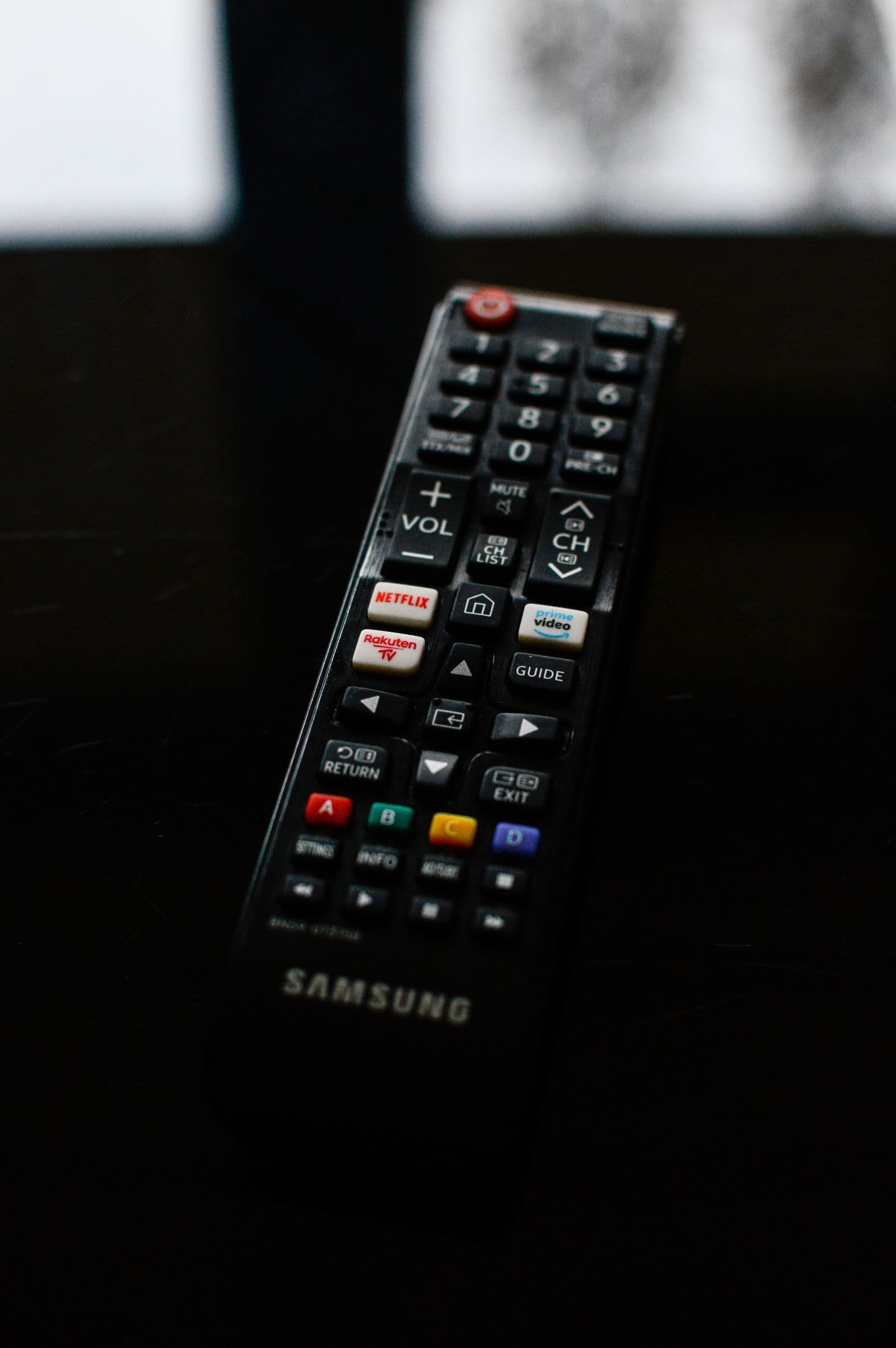
Standby power cost is worth checking, but it is easy to spend more solving it than the device was costing in the first place. A ten-watt idle load and a half-watt idle load are very different opportunities. Start with the actual watts, the hours you can safely avoid and the equipment’s job in your home.
Quick answer
Standby power cost is the power drawn while a device is idle multiplied by the time it stays in that state and your electricity rate. Measure or check the actual standby watts before buying timers. Switch off only suitable, non-essential equipment, and include the electricity consumed by any smart plug used to control it.
Standby power cost: the calculation
Convert watts to kilowatts by dividing by 1,000. Multiply by the number of standby hours, then by your dollar rate per kWh. A device drawing 5 watts for 20 hours a day uses 0.1 kWh a day in that state.
At a hypothetical 30 cents per kWh, that is 3 cents a day or $10.95 over 365 days. This is the cost of the stated idle period, not the device’s full annual electricity use. Active use must be calculated separately.
| Assumed idle draw for 20 hours daily | Annual idle electricity | Cost at an invented 30c/kWh |
|---|---|---|
| 0.5 watts | 3.65 kWh | $1.10, rounded |
| 2 watts | 14.6 kWh | $4.38 |
| 5 watts | 36.5 kWh | $10.95 |
| 10 watts | 73 kWh | $21.90 |
These are calculated examples, not measurements of particular products. They show why a blanket claim about “vampire power” is less useful than a short list of the actual devices in your home.
Separate standby from useful background work
Energy.gov.au’s appliance guidance describes standby power and suggests switching suitable unused appliances off. Before doing so, establish whether the equipment is truly idle or performing a service you still need.
A fridge cycles to keep food cold. A router may maintain phone or alarm connectivity. A recording device may be scheduled to record, and a computer may be backing up files. Those loads are not automatically avoidable simply because nobody is looking at the screen.
Ask what would stop working if the power were removed. Essential medical equipment, security arrangements, refrigeration and required communications should not be interrupted for a small electricity saving. Check the manual and obtain appropriate advice where the consequences are unclear.
Find the real standby specification
Look for a standby or off-mode figure in the manufacturer’s documentation. The maximum power rating on a label is not the same thing. A device capable of drawing hundreds of watts during use may draw very little when properly asleep.
Different settings can produce different idle states. Network wake-up, quick-start features and connected accessories may keep more functions active. Check whether changing an allowed setting gives the convenience you need with less background consumption.
Do not assume one measurement applies to every mode. Record the setting used and allow the device to settle into its normal idle state. If it periodically wakes for updates, a longer observation may be more representative than one instant reading.
Measure with equipment suitable for the job
A plug-in energy meter can help with accessible, plug-connected appliances when its ratings and instructions allow the use. Very low readings can be close to a meter’s resolution limit, so avoid treating a displayed zero as proof that absolutely no energy is used.
Never expose wiring, open a switchboard or interfere with hardwired equipment to measure consumption. Do not exceed a meter, timer or power board’s rating. Ask a licensed electrician about installations that cannot be checked safely with ordinary approved equipment.
Whole-home interval data is useful for patterns, but it cannot automatically identify a particular device. A low overnight baseline may include several active services. Switch suitable non-essential devices individually if you are trying to understand a change, while keeping other conditions as consistent as possible.
Prioritise by annual dollars and inconvenience
List each candidate, its idle watts, avoidable hours and estimated annual cost. Start with equipment that has a meaningful idle draw and is easy to switch off safely. A home-entertainment group may be more practical to manage together than several inaccessible individual plugs.
Then consider what the habit costs in inconvenience. Reset clocks, missed recordings or failed remote access can make a small theoretical saving unattractive. An allowed energy-saving setting may be a better solution than removing power completely.
If a device costs only about a dollar a year to leave idle under your assumptions, buying a dedicated controller solely for that saving is unlikely to be compelling. This is not an instruction to ignore small savings; it is a way to direct effort proportionately.
Smart plugs have their own consumption
Energy.gov.au’s smart-home guidance notes that home automation adds its own energy use. Include that load when assessing a controller intended to reduce standby consumption.
Suppose a controller hypothetically draws 1 watt continuously. That is 8.76 kWh a year, costing $2.63 at 30 cents per kWh. If it prevents a half-watt device from idling for 20 hours daily, the avoided electricity is only 3.65 kWh. Under those assumptions, the arrangement increases electricity use.
If the same controller safely manages a larger avoidable load, the result can be different. Include its purchase price, compatibility and the time required to configure it. Do not buy based on a percentage-saving promise that omits what is being controlled.
A simple break-even check
Assume a suitable controller costs a hypothetical $25 and produces a net annual electricity saving of $5 after its own power use. The simple payback is five years. A manual switch or existing device setting may achieve a similar result without that upfront cost.
Where automation also provides accessibility or convenience, those benefits can justify the purchase independently. Keep them separate from the claimed energy return. You do not need to label every worthwhile household purchase an electricity-saving investment.
Check whether the controller works locally or relies on an internet service, and whether it preserves its settings after a power outage. A tool that frequently fails to follow the intended schedule may not deliver the saving used in the calculation.
Keep the larger bill drivers in view
Standby checks are one part of a household energy review. Space heating, cooling, hot water and active appliance use may be much larger loads. Our fridge running-cost guide explains an appliance that must continue operating, while washing-machine running costs focus on energy per useful cycle.
Use the electricity cost calculator with realistic consumption and your tariff. Remember that reducing a few kWh usually does not remove the daily supply charge. On a time-of-use plan, the hours avoided also affect the cost.
Review the result after a few weeks. Keep changes that are safe, convenient and measurably useful. Avoid turning household energy management into a routine of switching off essential services for an unverified headline saving.
Sources and review
The CompareUs Editorial Team checked the linked Australian government guidance on 28 September 2026. All wattages, controller prices and electricity rates used in calculations are hypothetical. Follow equipment instructions and retain power to essential services.
Where should you go next?
FAQs
Does a standby light tell me how much electricity a device uses?
No. A small light does not measure the full device’s standby draw, and a device without a visible light can still use power. Use specifications or an appropriate meter.
Is every overnight load standby power?
No. Refrigeration, hot water, networking and other equipment may be actively doing a job overnight. A whole-home baseline is not automatically avoidable waste.
Will switching off a phone charger save a large amount?
The saving depends on its actual idle watts and connected time. Calculate it before buying equipment or assuming a large annual amount.
Should I turn my modem off every night?
Check what depends on it first, including phone service, alarms, remote access and updates. A networking device may be providing a required service rather than sitting in unnecessary standby.
Can a smart plug use more energy than it saves?
It can if its own continuous consumption exceeds the avoidable load it controls. Include its consumption and purchase cost in the calculation.
Should I switch off medical equipment or the fridge?
No. Do not interrupt essential medical devices, refrigeration or safety equipment to reduce standby costs. Follow professional advice and the manufacturer’s instructions.